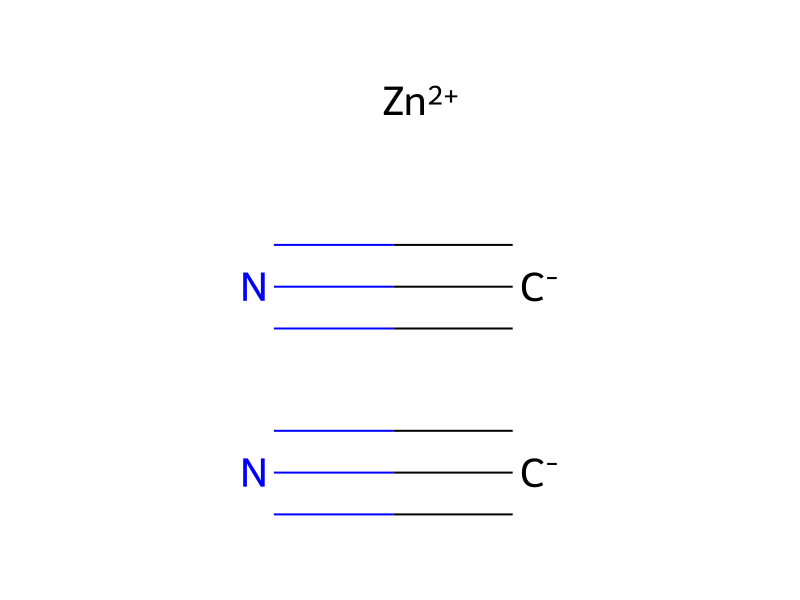
[C:1]([O:4][C:5]1[CH:10]=[CH:9][C:8](Br)=[CH:7][C:6]=1[CH3:12])(=[O:3])[CH3:2].O.C[C:15]([N:17](C)C)=O>[C-]#N.[Zn+2].[C-]#N.C1C=CC([P]([Pd]([P](C2C=CC=CC=2)(C2C=CC=CC=2)C2C=CC=CC=2)([P](C2C=CC=CC=2)(C2C=CC=CC=2)C2C=CC=CC=2)[P](C2C=CC=CC=2)(C2C=CC=CC=2)C2C=CC=CC=2)(C2C=CC=CC=2)C2C=CC=CC=2)=CC=1>[C:1]([O:4][C:5]1[CH:10]=[CH:9][C:8]([C:15]#[N:17])=[CH:7][C:6]=1[CH3:12])(=[O:3])[CH3:2]A solution of 4-bromo-2-methylphenyl acetate (6.9 g, 30 mol) in 75 mL of anhydrous dimethyl acetamide was treated with zinc cyanide (3 g, 25.6 mmol) and tetrakis(triphenylphosphine)palladium(0) (4.5 g, 3.9 mmol). The reaction mixture was heated at 100° C. for 2 hours, cooled to room temperature, and treated with 300 mL of cold water. The resulting precipitate was filtered, washed with water, and air dried. Chromatography on SiO2 (100% dichloromethane) afforded 5.2 g of 4-cyano-2-methylphenyl acetate as a colorless oil (99% yield), which solidified on standing.
Wird geladen…