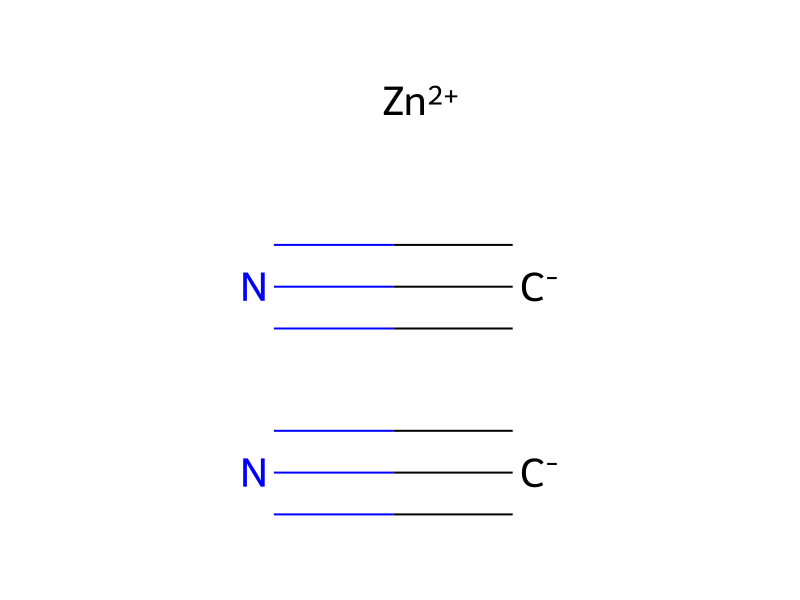
Br[C:2]1[CH:7]=[CH:6][C:5]([NH:8][C:9](=[O:11])[CH3:10])=[C:4]([F:12])[CH:3]=1.C[C:14]([N:16](C)C)=O>O.[C-]#N.[Zn+2].[C-]#N.C1C=CC([P]([Pd]([P](C2C=CC=CC=2)(C2C=CC=CC=2)C2C=CC=CC=2)([P](C2C=CC=CC=2)(C2C=CC=CC=2)C2C=CC=CC=2)[P](C2C=CC=CC=2)(C2C=CC=CC=2)C2C=CC=CC=2)(C2C=CC=CC=2)C2C=CC=CC=2)=CC=1>[C:14]([C:2]1[CH:7]=[CH:6][C:5]([NH:8][C:9](=[O:11])[CH3:10])=[C:4]([F:12])[CH:3]=1)#[N:16]A solution of N-(4-bromo-2-fluorophenyl)acetamide (12.9 g, 55.4 mmol) in 125 mL of anhydrous dimethyl acetamide was heated in the presence of zinc cyanide (5.53 g, 47.1 mmol) and tetrakis(triphenylphosphine)palladium (0) (5.2 g, 4.5 mmol) at 100° C. for 3 hours. The mixture was diluted with 300 mL of cold water, the resulting solid was filtered, washed with water, and dried. The filtrate was extracted with three 100 mL portions of ethyl acetate and the combined extracts were dried over sodium sulfate, filtered, and concentrated in vacuo. The resulting residue was combined with the solid from the filtration. This combined material was filtered through a silica gel column (100% dichloromethane followed by 100% ethyl acetate) to give 8.5 g of N-(4-cyano-2-fluorophenyl)acetamide as a light cream solid (86% yield).