Water → HCID 178476553, Verbindung
Reaktionsgleichung

[CH3:1][N:2]1[CH2:7][CH2:6][N:5]([CH2:8][CH2:9][CH2:10][O:11][C:12]2[CH:13]=[C:14]([NH2:19])[C:15]([NH2:18])=[CH:16][CH:17]=2)[CH2:4][CH2:3]1.[OH2:20].[N:21]#[C:22]Br>C(O)(=O)C>[C:12]([OH:20])(=[O:11])[CH3:13].[C:10]([OH:11])(=[O:20])[CH3:9].[CH3:1][N:2]1[CH2:7][CH2:6][N:5]([CH2:8][CH2:9][CH2:10][O:11][C:12]2[CH:17]=[CH:16][C:15]3[NH:18][C:22]([NH2:21])=[N:19][C:14]=3[CH:13]=2)[CH2:4][CH2:3]1Komponenten
5
Edukt 3

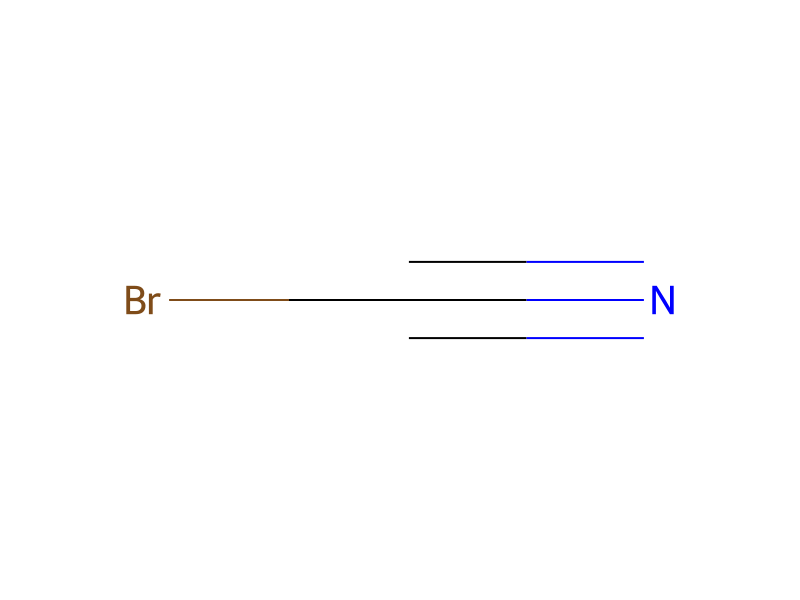

Produkt 1

Reagenzien, Katalysatoren, Lösungsmittel 1

Versuchsvorschrift
A 100 mL flasked was charged with 4-(3-(4-methylpiperazin-1-yl)propoxy)benzene-1,2-diamine (1.15 g, 4.35 mmol), water (50 mL) and acetic acid (2 mL) and stirred at room temperature for 15 minutes. The reaction mixture was placed in an ice bath and then charged with cyanogen bromide (0.526 g, 5 mmol). The reaction mixture was allowed to warm to room temperature and stirred over night. The reaction mixture was concentrated under reduced pressure and redissolved in acetone, dried over anhydrous sodium sulfate, and then filtered. The filtrate was concentrated under reduced pressure to give 1.7 g of 5-(3-(4-methylpiperazin-1-yl)propoxy)-1H-benzo[d]imidazol-2-amine diacetate. This material was used without any further purification. MS (EI): 290 (MH+).