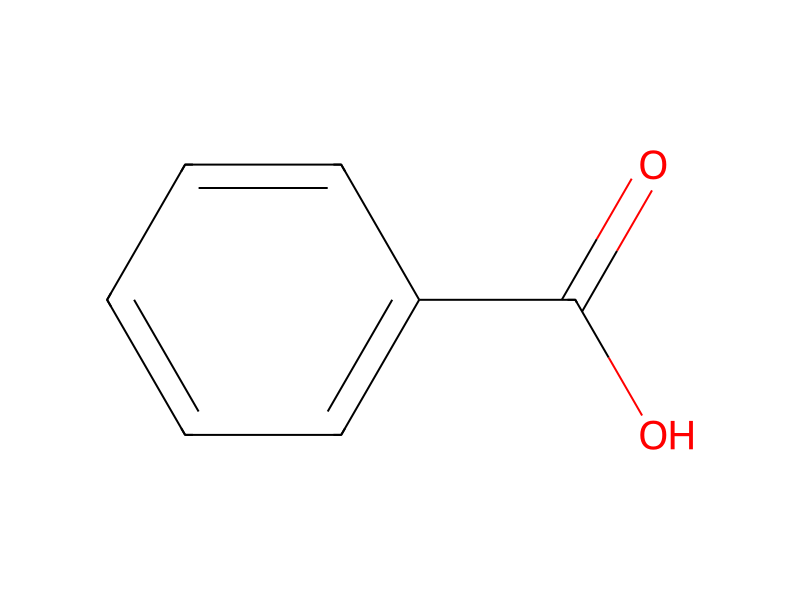
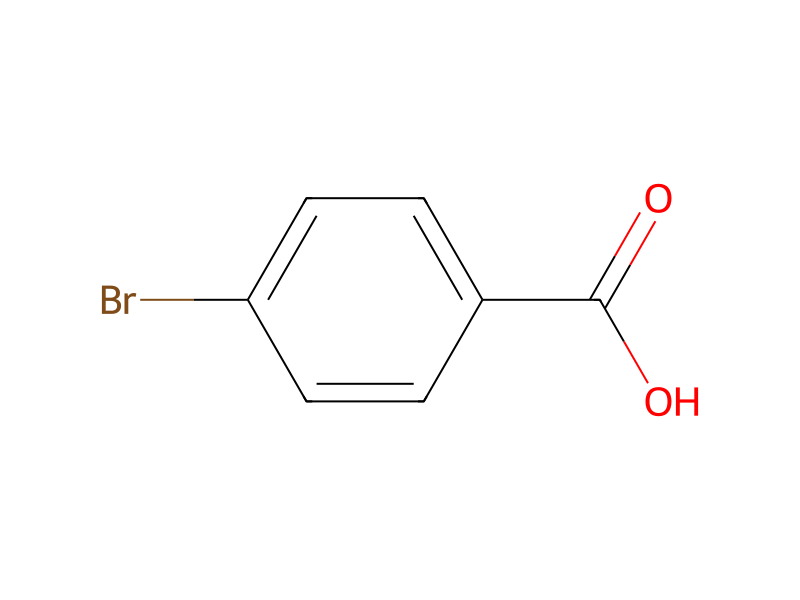
[Br:1][C:2]1[CH:10]=[CH:9][C:5]([C:6]([OH:8])=O)=[CH:4][CH:3]=1.S(Cl)(Cl)=O.C(O)(=O)C1C=CC=CC=1.[C:24]1([NH:30][C:31]2[CH:36]=[CH:35][CH:34]=[CH:33][C:32]=2[NH2:37])[CH:29]=[CH:28][CH:27]=[CH:26][CH:25]=1>CN(C)C=O.O.ClCCCl>[Br:1][C:2]1[CH:3]=[CH:4][C:5]([C:6]([NH:37][C:32]2[CH:33]=[CH:34][CH:35]=[CH:36][C:31]=2[NH:30][C:24]2[CH:25]=[CH:26][CH:27]=[CH:28][CH:29]=2)=[O:8])=[CH:9][CH:10]=1Suspending 3.0 g (15 mmol) of 4-bromobenzoic acid into 30 milliliter of 1,2-dichloroethane, adding 2.7 g (23 mmol) of thionyl chloride and 3 drops of N,N-dimethylformamide, the resultant solution was stirred with heating at the temperature of about 50° C. for 1 hour and 30 minutes until benzoic acid as the material disappeared. After completion of the reaction, removing the solvent and excess thionyl chloride by distillation, dissolving the resultant acid chloride into 30 milliliter of N-methylpyrrolidone, adding 2.8 g (15 mmol) of N-phenyl-1,2-phenylenediamine, the resultant solution was stirred at room temperature for a night. After completion of the reaction, adding water and filtering the precipitated solid, further washing with water and by drying under reduced pressure, 5.2 g of 4-bromo-N-(2-phenylamino-phenyl)-benzamide was obtained.