Reaktionsgleichung

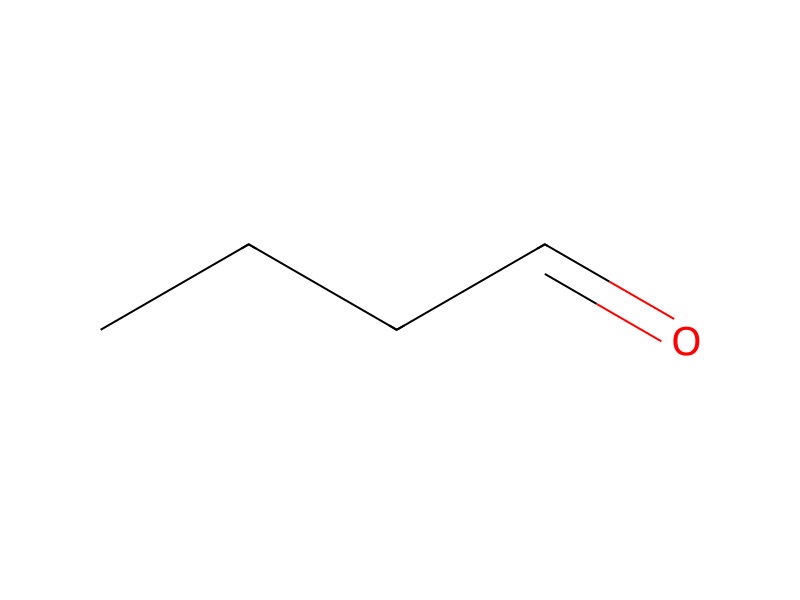
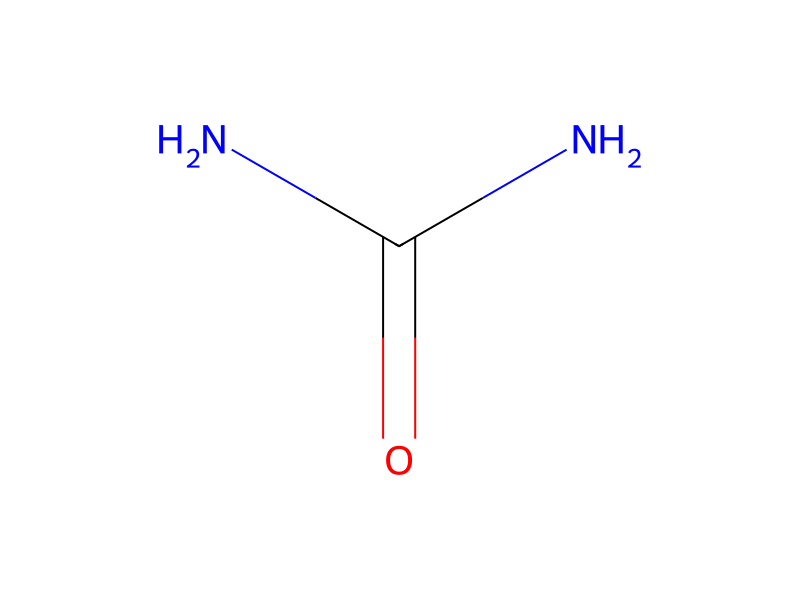
[C:1]1([P:7]([C:11]2[CH:16]=[CH:15][CH:14]=[CH:13][CH:12]=2)[O:8]CC)[CH:6]=[CH:5][CH:4]=[CH:3][CH:2]=1.[CH:17](=O)[CH2:18][CH2:19][CH3:20].[NH2:22][C:23]([NH2:25])=[O:24].C(O)(=O)C>ClC1C=CC=CC=1>[C:11]1([P:7](=[O:8])([C:1]2[CH:2]=[CH:3][CH:4]=[CH:5][CH:6]=2)[CH:17]([NH:22][C:23]([NH2:25])=[O:24])[CH2:18][CH2:19][CH3:20])[CH:12]=[CH:13][CH:14]=[CH:15][CH:16]=1Komponenten
6
Edukt 4


Produkt 1

Reagenzien, Katalysatoren, Lösungsmittel 1

Reaktionsbedingungen
- Temperatur
- 110 °C
Versuchsvorschrift
When a mixture of 0.50 mole of ethyl diphenylphosphinite, 0.55 mole of n-butyraldehyde, and 0.25 mole of urea in 150 ml of chlorobenzene is warmed at 110° C for 3 hr, there is only a slow reaction. The mixture is cooled to room temperature and 0.25 mole of acetic acid is addded dropwise in ~10 minutes. The temperature increases to 65° during this addition; the urea dissolves and then a white solid product separates. The addition of another 0.25 mole of acetic acid causes no additional heat of reaction. The reaction mixture is warmed at 65°-80° for 9.5 hr and filtered, giving 44.4g. Recrystallization from ethylene glycol gives 26.5g of a white solid: mp 241°-244°; 31P nmr (CF3CO2H) -44.4 ppm; ms M+ = 316 (theory 316).
Aufarbeitung
- customa slow reaction
- temperatureThe mixture is cooled to room temperature
- temperatureThe temperature increases to 65° during this addition
- temperatureno additional heat of reaction
- temperatureThe reaction mixture is warmed at 65°-80° for 9.5 hr
- filtrationfiltered
- customgiving 44.4g
- customRecrystallization from ethylene glycol
Quellen und Nachweise
- ORD-Eintrag
- ord-cfd1eb6a1ba74c039c92eb62da3219a4
- Quelldatensatz
- uspto-grants-1977_06
- Patentnummer
- US04031170
Verknüpfte Notizen
Wird geladen…