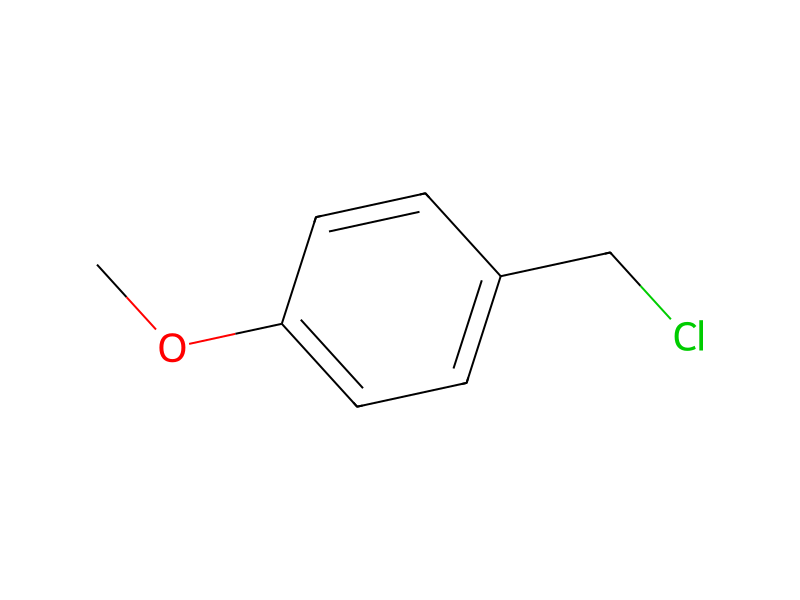
Sodium Iodide → Hexadecanedioic acid mono-(4-methoxy-benzyl)ester
HRID 444998
Reaktionsgleichung

[C:1]([OH:20])(=[O:19])[CH2:2][CH2:3][CH2:4][CH2:5][CH2:6][CH2:7][CH2:8][CH2:9][CH2:10][CH2:11][CH2:12][CH2:13][CH2:14][CH2:15][C:16]([OH:18])=[O:17].C(NC(C)C)(C)C.[CH3:28][O:29][C:30]1[CH:37]=[CH:36][C:33]([CH2:34]Cl)=[CH:32][CH:31]=1.[Na+].[I-]>CN1C(=O)CCC1.O>[CH3:28][O:29][C:30]1[CH:37]=[CH:36][C:33]([CH2:34][O:17][C:16](=[O:18])[CH2:15][CH2:14][CH2:13][CH2:12][CH2:11][CH2:10][CH2:9][CH2:8][CH2:7][CH2:6][CH2:5][CH2:4][CH2:3][CH2:2][C:1]([OH:20])=[O:19])=[CH:32][CH:31]=1Komponenten
7