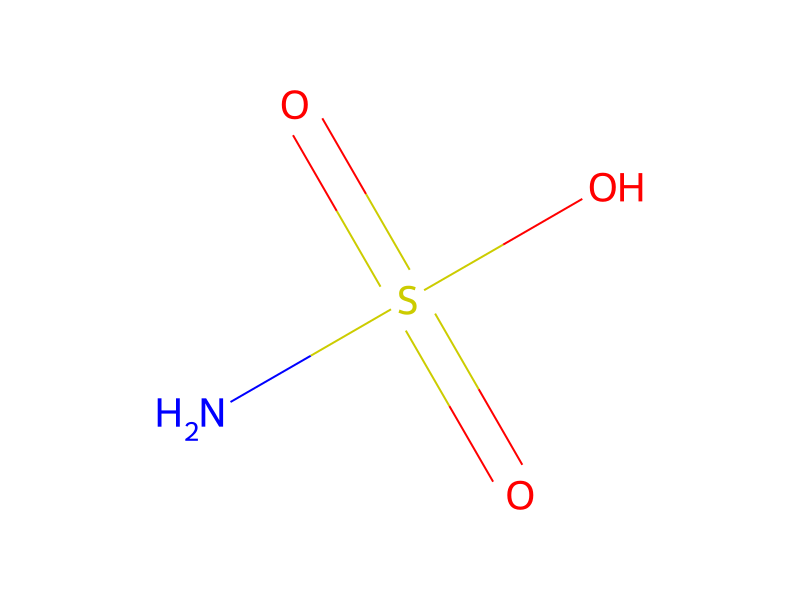
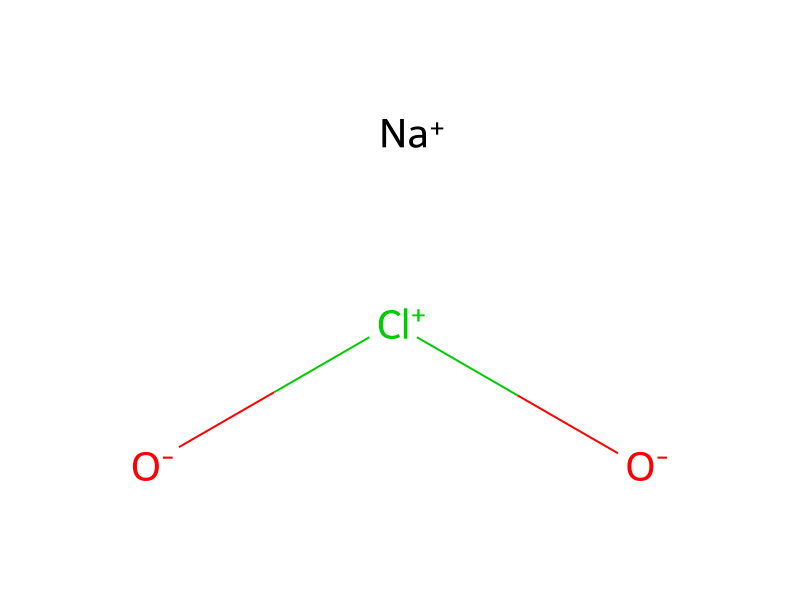
[CH:1]1([C:4]2[N:5]=[C:6]3[C:12]([CH:13]=[O:14])=[CH:11][N:10]([CH2:15][O:16][CH2:17][CH2:18][Si:19]([CH3:22])([CH3:21])[CH3:20])[C:7]3=[N:8][CH:9]=2)[CH2:3][CH2:2]1.S(=O)(=O)([OH:25])N.Cl([O-])=O.[Na+].P([O-])(O)(O)=O.[K+]>O1CCOCC1.O>[CH:1]1([C:4]2[N:5]=[C:6]3[C:12]([C:13]([OH:25])=[O:14])=[CH:11][N:10]([CH2:15][O:16][CH2:17][CH2:18][Si:19]([CH3:22])([CH3:21])[CH3:20])[C:7]3=[N:8][CH:9]=2)[CH2:2][CH2:3]1To a solution of 2-cyclopropyl-5-(2-trimethylsilanyl-ethoxymethyl)-5H-pyrrolo[2,3-b]pyrazine-7-carbaldehyde (0.24 g, 0.75 mmol) in 1,4-dioxane (10 mL) and water (2 mL) at 0° C. was added sulfamic acid (0.44 g, 4.54 mmol). Then added dropwise a solution of sodium chlorite (0.09 g, 0.98 mmol) and potassium dihydrogen phosphate (1.22 g, 9.0 mmol) in 6 mL of water. After the addition, the reaction mixture was warmed to room temperature and stirred for 2 h then partitioned between water and ethyl acetate. The organic layer was washed with brine, dried over sodium sulfate and concentrated under reduced pressure. The residue was triturated with hexanes to obtain 0.22 g (87%) of 2-cyclopropyl-5-(2-trimethylsilanyl-ethoxymethyl)-5H-pyrrolo[2,3-b]pyrazine-7-carboxylic acid as a light yellow powder.