Reaktionsgleichung

O(Cl)Cl.[Zr:4].[Sn].O(Cl)Cl.[Zr].O(Cl)Cl.[Sn].[P:14](=[O:18])([OH:17])([OH:16])[OH:15]>[Ti].O(Cl)Cl.[Ti]>[P:14]([O-:18])([O-:17])([O-:16])=[O:15].[P:14]([O-:18])([O-:17])([O-:16])=[O:15].[Zr+4:4].[P:14]([O-:18])([O-:17])([O-:16])=[O:15].[P:14]([O-:18])([O-:17])([O-:16])=[O:15].[P:14]([O-:18])([O-:17])([O-:16])=[O:15].[Zr+4:4].[Zr+4:4]Komponenten
10
Edukt 6


Produkt 2
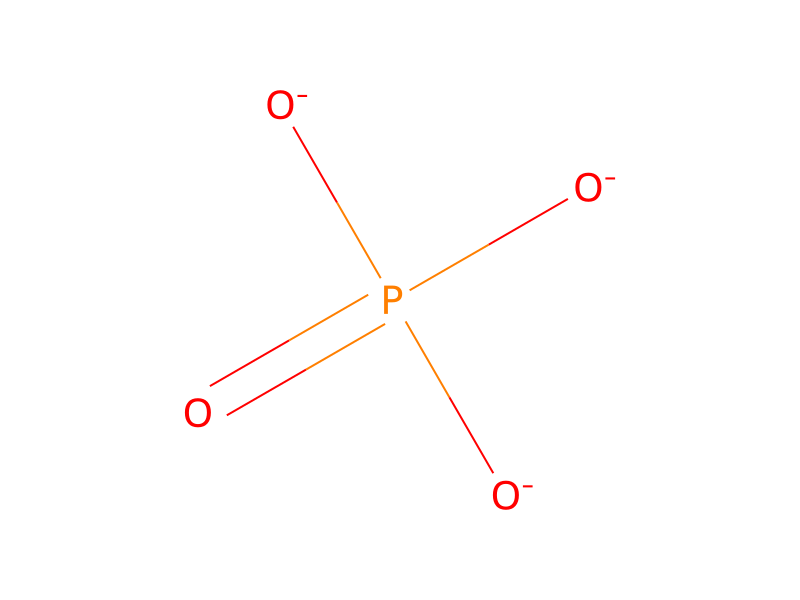

Reagenzien, Katalysatoren, Lösungsmittel 2


Versuchsvorschrift
That is, an oxychloride having a tetravalent metal such as zirconium, titanium or tin as a constituent element, for example, zirconium oxychloride, titanium oxychloride or tin oxychloride is added to a concentrated aqueous phosphoric acid solution, and after refluxing under heating for 24 hours, the precipitate is subjected to filtration, washing with water, drying and grinding to obtain a phosphate such as zirconium phosphate [Zr(HPO4)2.H2O]. This phosphate is immersed in an aqueous solution which contains an antimicrobial metal at a suitable concentration, thereby to obtain the phsophate of the present invention.
Aufarbeitung
- temperatureafter refluxing
- temperatureunder heating for 24 hours
- filtrationthe precipitate is subjected to filtration
- washwashing with water
- customdrying
- customgrinding
Quellen und Nachweise
- ORD-Eintrag
- ord-443817801ccb4cb98787c53b58fa4310
- Quelldatensatz
- uspto-grants-1994_03
- Patentnummer
- US05296238
Verknüpfte Notizen
Wird geladen…