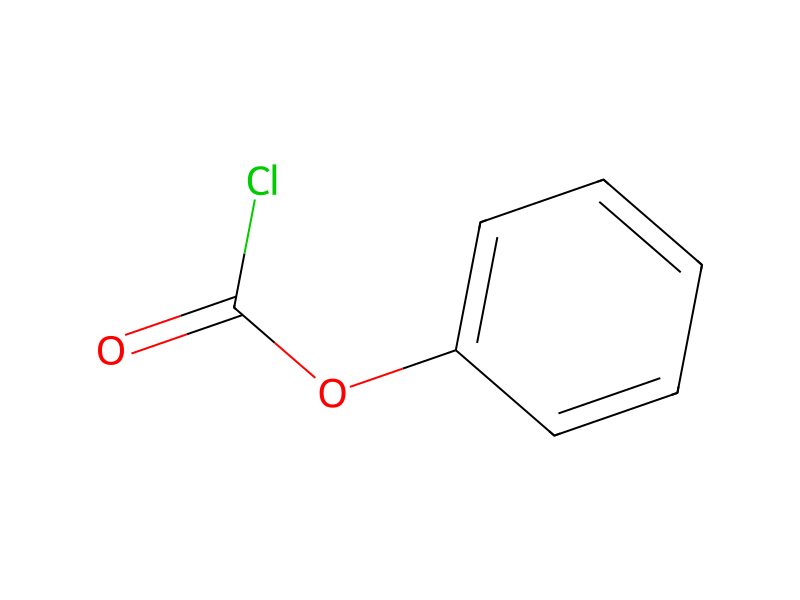
[NH2:1][C:2]1[CH:7]=[C:6]([O:8][C:9]2[CH:14]=[CH:13][C:12]([N+:15]([O-:17])=[O:16])=[CH:11][CH:10]=2)[CH:5]=[CH:4][N:3]=1.C(N(CC)CC)C.Cl[C:26]([O:28][C:29]1[CH:34]=[CH:33][CH:32]=[CH:31][CH:30]=1)=[O:27].N1CCOCC1>O1CCCC1.C(OCC)C>[C:29]1([O:28][C:26](=[O:27])[NH:1][C:2]2[CH:7]=[C:6]([O:8][C:9]3[CH:10]=[CH:11][C:12]([N+:15]([O-:17])=[O:16])=[CH:13][CH:14]=3)[CH:5]=[CH:4][N:3]=2)[CH:34]=[CH:33][CH:32]=[CH:31][CH:30]=12-Amino-4-(4-nitrophenoxy)pyridine (600 mg) was dissolved in tetrahydrofuran (12 ml) under a nitrogen atmosphere, and then triethylamine (1.09 ml) and phenyl chloroformate (0.979 ml) were added dropwise thereto, followed by stirring for 20 min. To the reaction mixture was added morpholine (1.81 ml), followed by stirring for 25 min. The reaction mixture was partitioned between ethyl acetate and a saturated aqueous solution of ammonium chloride. The organic layer was washed with a saturated aqueous solution of ammonium chloride, a saturated aqueous solution of sodium hydrogencarbonate, water and brine in this order, and dried over anhydrous sodium sulfate. The solvent was evaporated under a reduced pressure to give a residue, which was then suspended in diethyl ether. The solid was filtered off, and dried under aeration to provide the titled compound (854 mg, 93.8%) as a brown solid.