Reaktionsgleichung

[CH2:1]([NH2:5])[CH:2]([CH3:4])[CH3:3].[O:6]1[CH2:19][CH:7]1[CH2:8][O:9][C:10]1[CH:15]=[CH:14][C:13]([N+:16]([O-])=O)=[CH:12][CH:11]=1.C([O-])=O.[NH4+]>C1COCC1.[Pd]>[CH2:1]([NH:5][CH2:19][CH:7]([OH:6])[CH2:8][O:9][C:10]1[CH:15]=[CH:14][C:13]([NH2:16])=[CH:12][CH:11]=1)[CH:2]([CH3:4])[CH3:3]Komponenten
6
Edukt 3


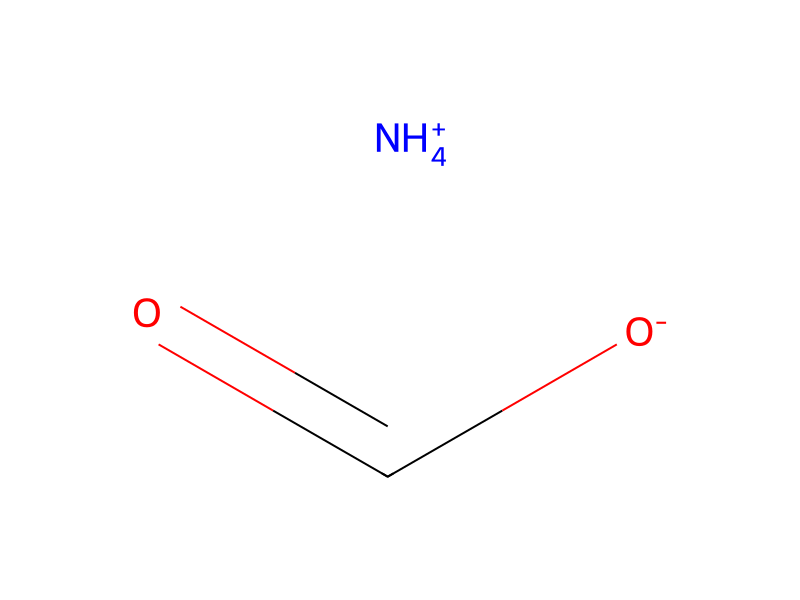
Produkt 1

Reagenzien, Katalysatoren, Lösungsmittel 2


Versuchsvorschrift
Isobutylamine (5.1 ml, 51.2 mmol) was added to a solution of 4-(2,3-epoxypropoxy) nitrobenzene (obtained as described in Synthetic Communications, 1994, 24, 833; 1.0 g, 5.12 mmol) in THF (1 ml). The solution was heated under reflux for 3 hours and then volatile material was removed by evaporation. The residue was dissolved in methanol (5 ml) and 10% palladium on carbon (0.50 g) and ammonium formate (3.23 g, 51.2 mmol) were added. The mixture was heated under reflux for 3 hours and then filtered through diatomaceous earth. The filtrate was concentrated under reduced pressure to give the product as dark brown oil (1.22 g, 100%), which was used without further purification. MS (MH+): 238.9.
Aufarbeitung
- temperatureThe solution was heated
- temperatureunder reflux for 3 hours
- customvolatile material was removed by evaporation
- dissolutionThe residue was dissolved in methanol (5 ml)
- temperatureThe mixture was heated
- temperatureunder reflux for 3 hours
- filtrationfiltered through diatomaceous earth
- concentrationThe filtrate was concentrated under reduced pressure
Quellen und Nachweise
- ORD-Eintrag
- ord-5a8d3d0279e44f328d6d3749d18d24cf
- Quelldatensatz
- uspto-grants-2004_03
- Patentnummer
- US06710052B2
Verknüpfte Notizen
Wird geladen…