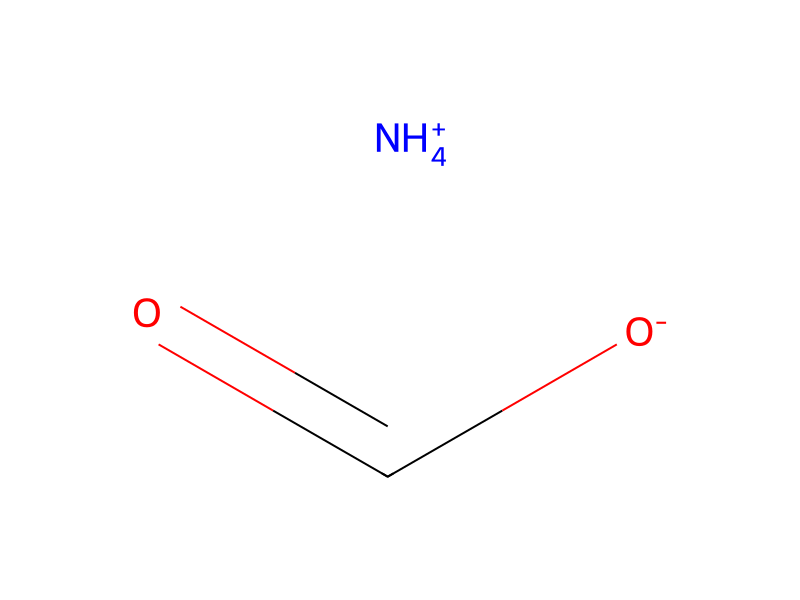
A three liter round bottom flask was charged with ethyl (4-oxocyclohexyl)acetate (100 g, 0.588 mol) and ethanol (400 mL). Sodium hydroxide (25.8 g, 0.645 mol) was added, and the reaction was stirred at room temperature for 1 hour. Next, triethyl phosphonoacetate (128 mL, 0.645 mol) was added, and the reaction was then cooled to 0° C. A solution of NaOEt in EtOH (21% solution, 242 mL) was added dropwise to the reaction over 1 hour. The reaction was warmed to room temperature and stirred for 1 hour. HOAc (84 mL) was added, followed by ammonium formate (74 g) and 5% Pd/C (10 g). The reaction was heated to 60° C. for 6 hours and then cooled to room temperature. The solids were filtered off and the filtrate was concentrated. The residue was taken up in EtOAc (2 L) and washed with 1N HCl (2×500 mL), H2O (500 mL), and brine (500 mL). The organic layer was concentrated to an oil and azeotroped with toluene (2 L). The residue was purified by flash chromatography on silica gel (0 to 50% EtOAc/Hexanes containing 1% HOAc). This afforded 4-(2-ethoxy-2-oxoethyl)cyclohexanecarboxylic acid as a mixture of cis and trans isomers.