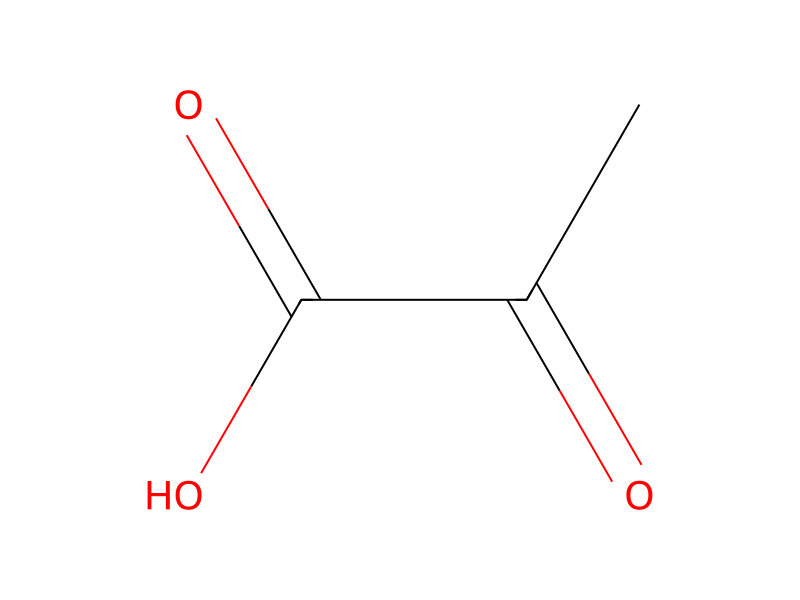
[NH2:1][C:2]1[C:16](I)=[CH:15][C:5]([CH2:6][NH:7][C:8](=[O:14])[O:9][C:10]([CH3:13])([CH3:12])[CH3:11])=[C:4]([Cl:18])[CH:3]=1.O=[C:20]([CH3:24])[C:21]([OH:23])=[O:22].N12CCN(CC1)CC2>CN(C)C=O.C([O-])(=O)C.[Pd+2].C([O-])(=O)C>[C:10]([O:9][C:8]([NH:7][CH2:6][C:5]1[CH:15]=[C:16]2[C:2](=[CH:3][C:4]=1[Cl:18])[NH:1][C:20]([C:21]([OH:23])=[O:22])=[CH:24]2)=[O:14])([CH3:13])([CH3:12])[CH3:11]tert-Butyl (4-amino-2-chloro-5-iodobenzyl)carbamate (1.18 g, 3.08 mmol) (known from WO-A-2006/101321) was initially charged under argon in N,N-dimethylformamide (12 ml). 2-Oxopropionic acid (0.88 g, 10.02 mmol), 1,4-diazabicyclo[2.2.2]octane (1.12 g, 10.02 mmol) and palladium acetate (0.034 g, 0.15 mmol) were added. The reaction mixture was stirred at 100° C. for 5 h. After cooling, the solution was filtered through Celite and the filtercake was washed with ethyl acetate. The filtrate was washed with hydrochloric acid (0.1 M) and saturated sodium chloride solution, the organic phase was dried over sodium sulphate and the solvent was removed under reduced pressure. 1.99 g of crude product were obtained, which were converted further without further purification.