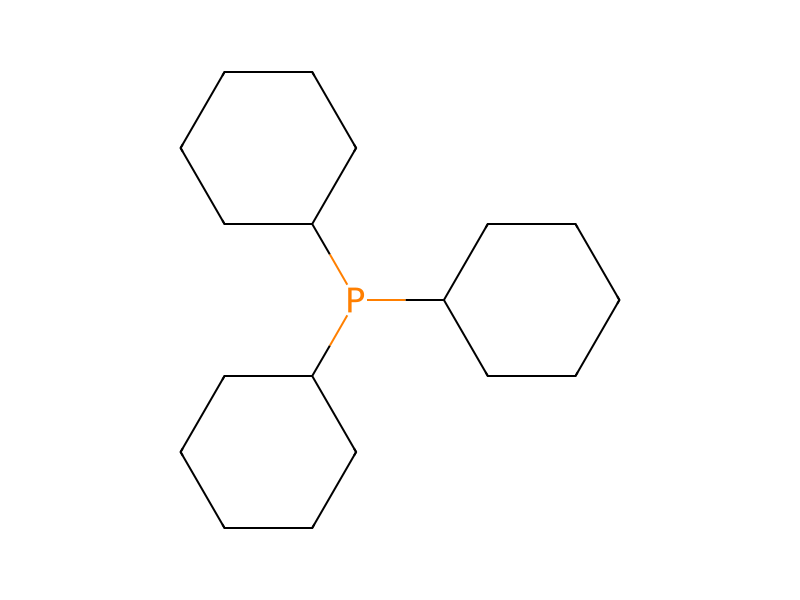
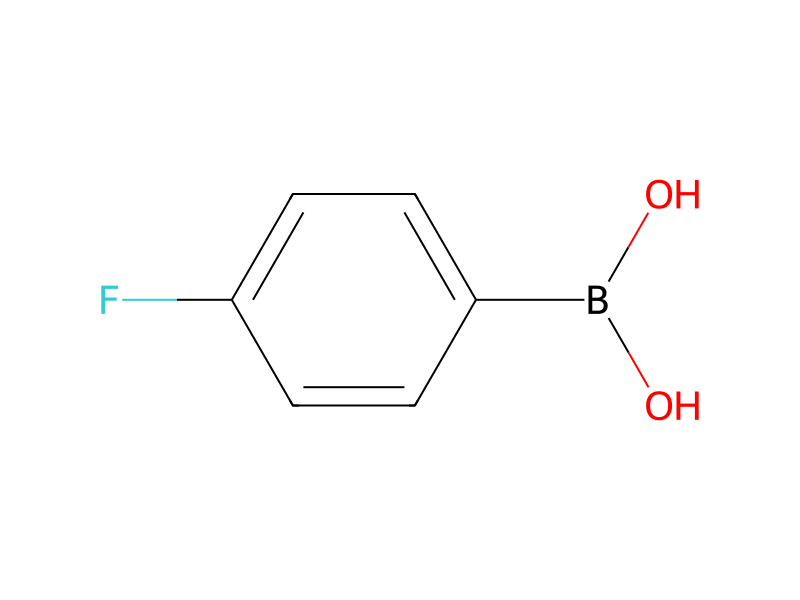
Br[C:2]1[CH:9]=[CH:8][C:5]([CH:6]=[O:7])=[C:4]([O:10][CH3:11])[CH:3]=1.P([O-])([O-])([O-])=O.[K+].[K+].[K+].[F:20][C:21]1[CH:26]=[CH:25][C:24](B(O)O)=[CH:23][CH:22]=1.C1(P(C2CCCCC2)C2CCCCC2)CCCCC1>C([O-])(=O)C.[Pd+2].C([O-])(=O)C.O.C1(C)C=CC=CC=1>[F:20][C:21]1[CH:26]=[CH:25][C:24]([C:2]2[CH:9]=[CH:8][C:5]([CH:6]=[O:7])=[C:4]([O:10][CH3:11])[CH:3]=2)=[CH:23][CH:22]=1Palladium acetate (2.61 g) was added to a mixture of 4-bromo-2-methoxybenzaldehyde (25.0 g), tripotassium phosphate (74.0 g), (4-fluorophenyl)boronic acid (24.4 g), tricyclohexylphosphine (20% toluene solution, 41.3 mL), toluene (250 mL), and water (125 mL), and the resultant mixture was stirred at 90° C. for 3 hours in an argon atmosphere. The reaction mixture was allowed to cool to room temperature, and then, the organic layer was separated. The aqueous layer was subjected to extraction with ethyl acetate. Combined organic layers were washed with water and saturated saline in this order and dried over anhydrous magnesium sulfate, and then, the solvent was distilled off under reduced pressure. The obtained residue was crystallized from methanol (150 mL) to obtain the title compound (16.0 g).