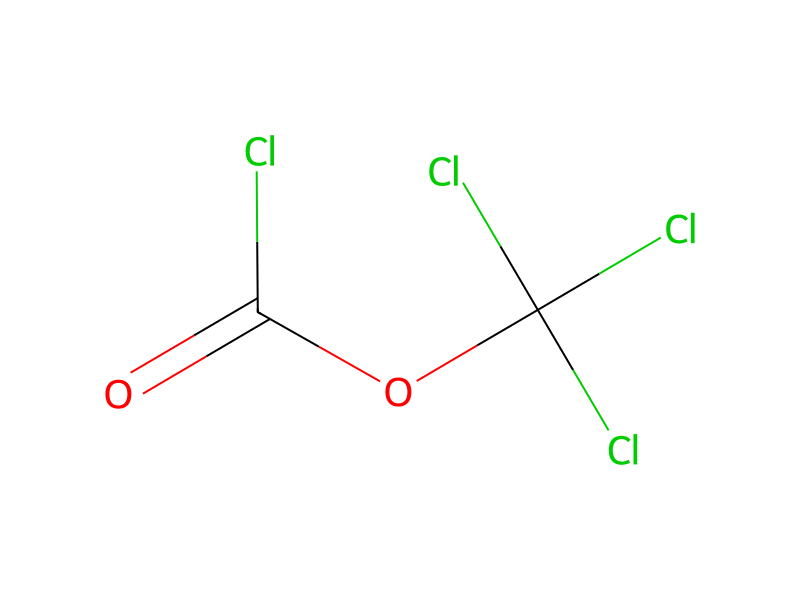
ClC([O:4][C:5](Cl)(Cl)Cl)=O.[CH4:9].[NH2:10][C:11]1[CH:16]=[CH:15][C:14]([C:17]([CH3:23])([CH3:22])[C:18]([O:20][CH3:21])=[O:19])=[CH:13][CH:12]=1.Cl.C[O:26][C:27](=O)[CH2:28][N:29](C)C.[C:33]1(C)C=CC=CC=1>C(OCC)C.C(N(CC)CC)C>[CH3:9][C:28]1([CH3:33])[C:27](=[O:26])[N:10]([C:11]2[CH:12]=[CH:13][C:14]([C:17]([CH3:23])([CH3:22])[C:18]([O:20][CH3:21])=[O:19])=[CH:15][CH:16]=2)[C:5](=[O:4])[NH:29]1To a solution of 3.7 mL of trichloromethyl chloroformate (diphosgene) in 120 mL of toluene, under argon, is added 1 g of 3S charcoal. To this suspension cooled to −20° C. are added 4.3 g of methyl 2-(4-aminophenyl)-2-methylpropanoate obtained in stage b) below dissolved in 130 mL of toluene. The reaction mixture is gradually warmed to room temperature and then refluxed for 4 hours. After cooling to room temperature, 16.6 mL of triethylamine and 4.25 g of dimethylglycine methyl ester hydrochloride are added and the reaction mixture is refluxed for 24 hours and then concentrated under reduced pressure. The residue obtained is taken up in ethyl ether and water, the phases are separated and the organic phase is dried over magnesium sulphate, filtered and then concentrated under reduced pressure to give 1.23 g of methyl 2-[4-(4,4-dimethyl-2,5-dioxoimidazolidin-1-yl)phenyl]-2-methylpropanoate, the characteristics of which are as follows: