proline dl-form → 5-[(4-Chlorophenyl){7-[(ethylsulfanyl)methyl]-1H-indol-3-yl}methyl]-2,2-dimethyl-1,3-dioxane-4,6-dione
Reaktionsgleichung

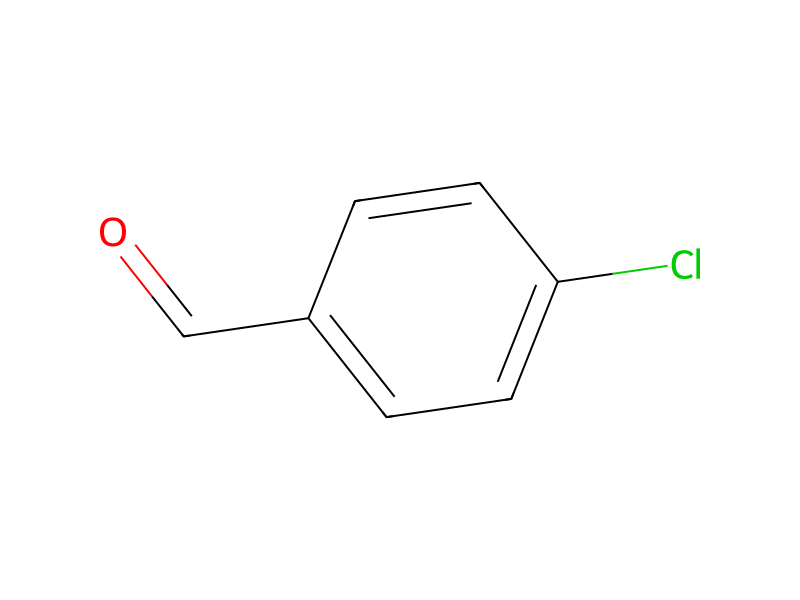
[Cl:1][C:2]1[CH:9]=[CH:8][C:5]([CH:6]=O)=[CH:4][CH:3]=1.[CH3:10][C:11]1([CH3:19])[O:18][C:16](=[O:17])[CH2:15][C:13](=[O:14])[O:12]1.N1CCCC1C(O)=O.[CH2:28]([S:30][CH2:31][C:32]1[CH:33]=[CH:34][CH:35]=[C:36]2[C:40]=1[NH:39][CH:38]=[CH:37]2)[CH3:29]>C(#N)C>[Cl:1][C:2]1[CH:9]=[CH:8][C:5]([CH:6]([C:37]2[C:36]3[C:40](=[C:32]([CH2:31][S:30][CH2:28][CH3:29])[CH:33]=[CH:34][CH:35]=3)[NH:39][CH:38]=2)[CH:15]2[C:16](=[O:17])[O:18][C:11]([CH3:19])([CH3:10])[O:12][C:13]2=[O:14])=[CH:4][CH:3]=1Komponenten
6