StartseiteMCPWorkbenchSkills
StartseiteWorkbenchBenachrichtigungenMein Bereich
llms.txt · MCP-AnleitungDatenschutz · Nutzungsbedingungen · Supportv1.8.3
  1. Startseite
  2. /Reaktion

Hydrogen Peroxide → HCID 15534003, Verbindung

HRID 580994
Drucken

Reaktionsgleichung

Reaktionsgleichung von HRID 580994
Br[C:2]1[CH:13]=[CH:12][C:5]([CH2:6][O:7][CH2:8][CH2:9][O:10][CH3:11])=[CH:4][CH:3]=1.[Mg].II.C[O:18]B(OC)OC.OO>O1CCCC1.O.C(O)(=O)C>[OH:18][C:2]1[CH:13]=[CH:12][C:5]([CH2:6][O:7][CH2:8][CH2:9][O:10][CH3:11])=[CH:4][CH:3]=1
KomponentenVersuchsvorschriftAufarbeitungQuellen und NachweiseNotizen zur Reaktion

Komponenten

9

Edukt 5

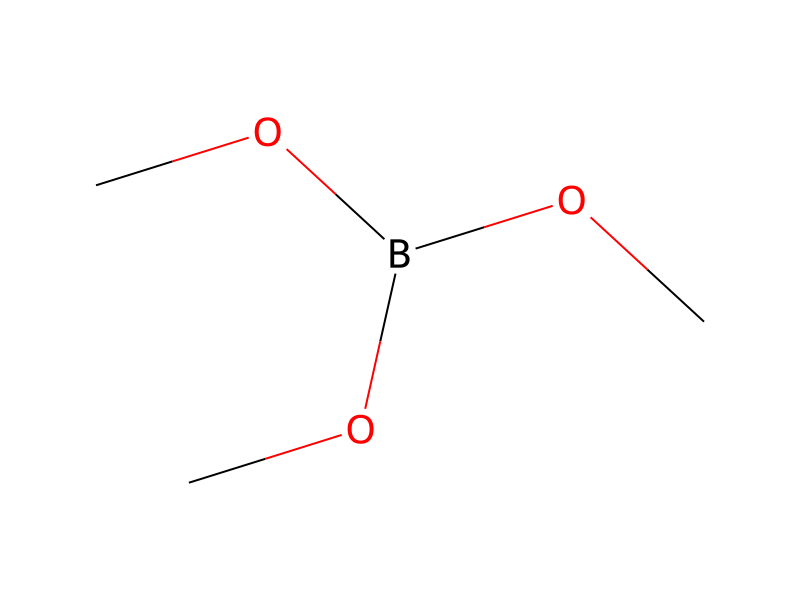
HCID 784Hydrogen PeroxideHCID 807IodineHCID 8470Trimethyl borateHCID 5462224MagnesiumHCID 219975651-Bromo-4-((2-methoxyethoxy)methyl)benzene2×

Produkt 1

HCID 15534003HCID 15534003, VerbindungAusbeute 139,9 %

Reagenzien, Katalysatoren, Lösungsmittel

3
HCID 176Acetic AcidLösungsmittelHCID 962WaterLösungsmittelHCID 8028TetrahydrofuranLösungsmittel3×

Versuchsvorschrift

2-(4-bromobenzyloxy) 1-methoxyethane (preparation described in Example 11) (10 g) was added to a stirred mixture of oven dried magnesium (2.74 g) in tetrahydrofuran (20 ml) under an atmosphere of argon. A crystal of iodine was added and the mixture heated until an exothermic reaction commenced. A solution of the remaining 2-(4-bromobenzyloxy)-1-methoxyethane (13.4 g) in tetrahydrofuran (60 ml) was added dropwise to maintain the temperature of the reaction mixture at reflux. When the addition was complete the mixture was heated at reflux for a further 20 minutes, allowed to cool and added to trimethylborate (11.74 g) in tetrahydrofuran (60 ml) under argon at -10° C., dropwise over 45 minutes whilst maintaining the temperature below -5° C. After stirring for 15 minutes, chilled acetic acid (9.36 g) was added, followed by the dropwise addition of 30% hydrogen peroxide (11.77 ml) in water (11 ml) whilst maintaining the temperature below 0° C. The mixture was allowed to warm to ambient temperature over a period of 20 minutes and then washed successively with saturated ammonium sulphate containing ferrous ammonium sulphate until the aqueous layer no longer turned brown. The organic layer was dried (MgSO4) and evaporated. The residue was dissolved in ether (100 ml) and extracted into IM aqueous sodium hydroxide (50 ml×3). The aqueous extract was acidified with 2M aqueous hydrochloric acid and the mixture was extracted with ethyl acetate (3×50 ml). The ethyl acetate extracts were combined, dried (MgSO4) and evaporated. The residue was further purified by flash chromatography on silica gel using 10% ethyl acetate in toluene as eluent to give 2-(4-hydroxybenzyloxy)-1-methoxyethane (10.4 g) as a colourless oil; NMR (CDCl3): 3.4 (3H, s), 3.5-3.7 (4H, m), 4.5 (2H, s), 6.7-6.8 (2H, d), 7.1-7.3 (2H, d).

Aufarbeitung

  1. temperaturethe mixture heated until an exothermic reaction
  2. temperatureto maintain the temperature of the reaction mixture
  3. temperatureat reflux
  4. additionWhen the addition
  5. temperaturewas heated
  6. temperatureat reflux for a further 20 minutes
  7. temperatureto cool
  8. temperaturewhilst maintaining the temperature below -5° C
  9. additionwas added
  10. temperaturewhilst maintaining the temperature below 0° C
  11. washwashed successively with saturated ammonium sulphate
  12. additioncontaining ferrous ammonium sulphate until the aqueous layer no longer turned brown
  13. dry with materialThe organic layer was dried (MgSO4)
  14. customevaporated
  15. dissolutionThe residue was dissolved in ether (100 ml)
  16. extractionextracted into IM aqueous sodium hydroxide (50 ml×3)
  17. extractionThe aqueous extract
  18. extractionthe mixture was extracted with ethyl acetate (3×50 ml)
  19. dry with materialdried (MgSO4)
  20. customevaporated
  21. customThe residue was further purified by flash chromatography on silica gel using 10% ethyl acetate in toluene as eluent

Quellen und Nachweise

ORD-Eintrag
ord-b32915c43f3640758798fd9ccac76c64
Quelldatensatz
uspto-grants-1999_07
DOI
10.6084/m9.figshare.5104873.v1
Patentnummer
US05919793

Notizen zur Reaktion

Auf dieser SeiteKomponentenVersuchsvorschriftAufarbeitungQuellen und NachweiseNotizen zur Reaktion