Pyridine → 6-((2-Ethylhexyl)(phenyl)amino)hexyl acetate
HRID 607491
Reaktionsgleichung

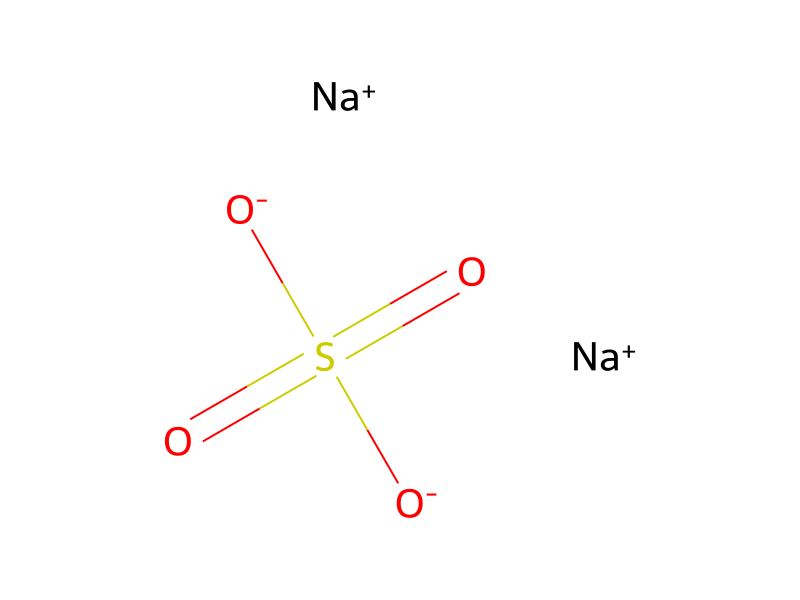
[CH2:1]([CH:3]([CH2:19][CH2:20][CH2:21][CH3:22])[CH2:4][N:5]([C:13]1[CH:18]=[CH:17][CH:16]=[CH:15][CH:14]=1)[CH2:6][CH2:7][CH2:8][CH2:9][CH2:10][CH2:11][OH:12])[CH3:2].[C:23](OC(=O)C)(=[O:25])[CH3:24].N1C=CC=CC=1.S([O-])([O-])(=O)=O.[Na+].[Na+]>ClCCl.O>[C:23]([O:12][CH2:11][CH2:10][CH2:9][CH2:8][CH2:7][CH2:6][N:5]([CH2:4][CH:3]([CH2:1][CH3:2])[CH2:19][CH2:20][CH2:21][CH3:22])[C:13]1[CH:18]=[CH:17][CH:16]=[CH:15][CH:14]=1)(=[O:25])[CH3:24]Komponenten
7
Edukt 4



Produkt 1

Reagenzien, Katalysatoren, Lösungsmittel 2

