StartseiteMCPWorkbenchSkills
StartseiteWorkbenchBenachrichtigungenMein Bereich
llms.txt · MCP-AnleitungDatenschutz · Nutzungsbedingungen · Supportv1.8.0
  1. Startseite
  2. /Reaktion

Hydrochloric Acid → HCID 69931466, Verbindung

HRID 619380
Notizen
Druckvorschau

Reaktionsgleichung

Reaktionsgleichung von HRID 619380
[H-].[Al+3].[Li+].[H-].[H-].[H-].[C:7]([O:10][C:11]1[CH:16]=[CH:15][C:14]([C:17]2[C:26]3[C:21](=[CH:22][CH:23]=[C:24]([O:27][CH3:28])[CH:25]=3)[O:20][C:19](=O)[C:18]=2[C:30]2[CH:35]=[CH:34][CH:33]=[CH:32][CH:31]=2)=[CH:13][CH:12]=1)(=O)[CH3:8].Cl.C(=O)([O-])[O-].[K+].[K+].Cl.ClCC[N:47]1[CH2:51][CH2:50][CH2:49][CH2:48]1.[I-].[Na+]>O1CCCC1.O.C(O)C.[Pd]>[CH3:28][O:27][C:24]1[CH:25]=[C:26]2[C:21](=[CH:22][CH:23]=1)[O:20][CH2:19][C@@H:18]([C:30]1[CH:35]=[CH:34][CH:33]=[CH:32][CH:31]=1)[C@H:17]2[C:14]1[CH:13]=[CH:12][C:11]([O:10][CH2:7][CH2:8][N:47]2[CH2:51][CH2:50][CH2:49][CH2:48]2)=[CH:16][CH:15]=1
KomponentenReaktionsbedingungenVersuchsvorschriftAufarbeitungQuellen und NachweiseNotizen zur Reaktion

Komponenten

11

Edukt 6

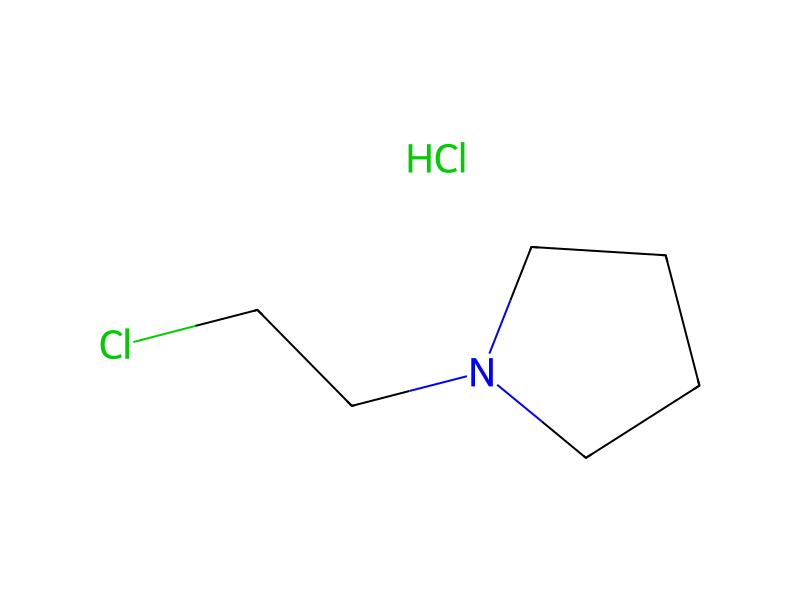
HCID 313Hydrochloric AcidHCID 5238Sodium IodideHCID 11430Potassium CarbonateHCID 816681-(2-Chloroethyl)pyrrolidine hydrochlorideHCID 18355594HCID 18355594, VerbindungHCID 21226445Aluminium lithium hydride

Produkt 1

HCID 69931466
HCID 69931466, Verbindung

Reagenzien, Katalysatoren, Lösungsmittel 4

HCID 23938PalladiumKatalysatorHCID 702EthanolLösungsmittelHCID 962WaterLösungsmittelHCID 8028TetrahydrofuranLösungsmittel

Reaktionsbedingungen

Temperatur
65 °C

Versuchsvorschrift

Lithium aluminium hydride (0.96 g, 2.54 mmol) was added in small portions to a stirred solution of 4-(4-acetoxyphenyl)-3-phenyl-6-methoxy-coumarin (0.49 g, 1.27 mmol) in tetrahydrofuran (75 ml). The resulting mixture was stirred for 30 min., 6M hydrochloric acid (4 ml) added dropwise, and the mixture heated to 65° C. for 3 h. The mixture was cooled to room temperature, diluted with 100 ml water, and the product extracted into ethyl acetate (2×100 ml). The extracts were washed with brine, dried over sodium sulfate and evaporated to give a yellow gum. This gum was dissolved in ethanol (100 ml), and palladium on carbon (5%, 0.045 g, 0.02 mmol) added, then the mixture was hydrogenated for 18 h. The catalyst was removed by filtration and the solvents evaporated to give an orange gum, which was vacuum dried. The gum was dissolved in dry acetone (20 ml) then potassium carbonate (1.87 g, 13.50 mmol), 1-(2-chloroethyl)pyrrolidine hydrochloride (0.257 g, 1.51 mmol) and sodium iodide (0.01 g, catalyst) were added and the mixture heated to 60° C. for 20 h. The inorganic solids were removed by filtration and the solvent removed to give an orange gum, which was purified by column chromatography on silica gel 60 with 9:1 dichloromethane/methanol eluent. This gave the product as a pale orange gum, which was vacuum dried.


Aufarbeitung

  1. temperatureThe mixture was cooled to room temperature
  2. extractionthe product extracted into ethyl acetate (2×100 ml)
  3. washThe extracts were washed with brine
  4. dry with materialdried over sodium sulfate
  5. customevaporated
  6. customto give a yellow gum
  7. waitthe mixture was hydrogenated for 18 h
  8. customThe catalyst was removed by filtration
  9. customthe solvents evaporated
  10. customto give an orange gum, which
  11. customdried
  12. dissolutionThe gum was dissolved in dry acetone (20 ml)
  13. temperaturethe mixture heated to 60° C. for 20 h
  14. customThe inorganic solids were removed by filtration
  15. customthe solvent removed
  16. customto give an orange gum, which
  17. customwas purified by column chromatography on silica gel 60 with 9:1 dichloromethane/methanol eluent

Quellen und Nachweise

ORD-Eintrag
ord-aa2eaf5b2fb5455aa5c7b6e07aa58d45
Quelldatensatz
uspto-grants-1999_09
DOI
10.6084/m9.figshare.5104873.v1
Patentnummer
US05958967

Notizen zur Reaktion

Wird geladen…

Auf dieser SeiteKomponentenReaktionsbedingungenVersuchsvorschriftAufarbeitungQuellen und NachweiseNotizen zur Reaktion