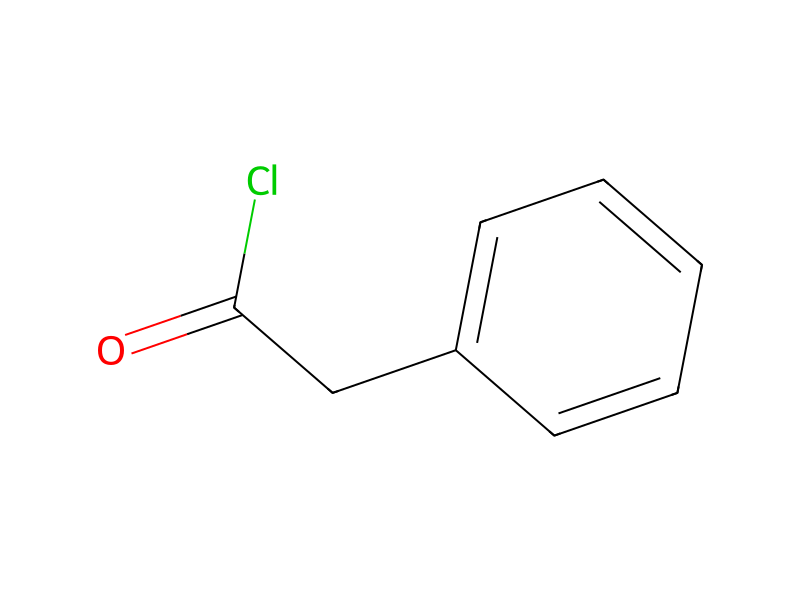
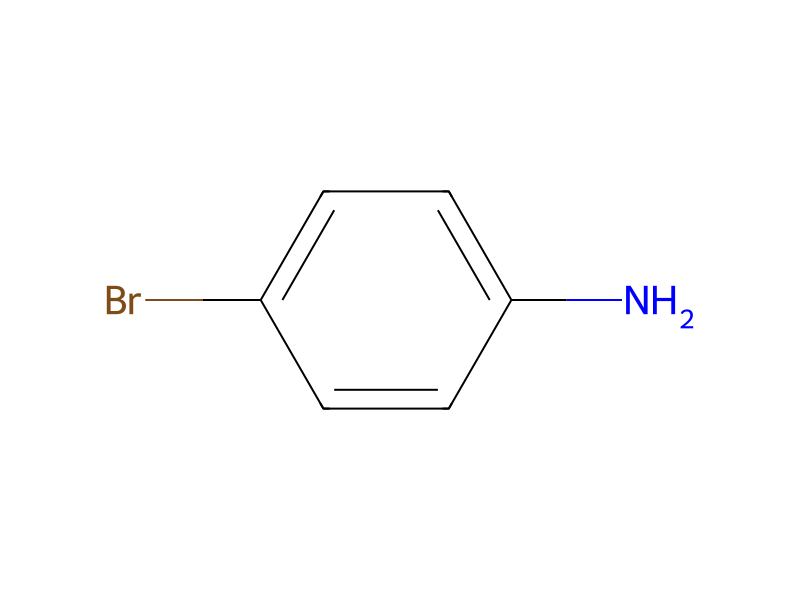
[Br:1][C:2]1[CH:8]=[CH:7][C:5]([NH2:6])=[CH:4][CH:3]=1.C(N(CC)CC)C.[C:16]1([CH2:22][C:23](Cl)=[O:24])[CH:21]=[CH:20][CH:19]=[CH:18][CH:17]=1>CN(C)C1C=CN=CC=1.ClCCl>[Br:1][C:2]1[CH:8]=[CH:7][C:5]([NH:6][C:23](=[O:24])[CH2:22][C:16]2[CH:21]=[CH:20][CH:19]=[CH:18][CH:17]=2)=[CH:4][CH:3]=1In a 250-mL round-bottom flask was placed a mixture of 4-bromoaniline (6.90 g, 40.1 mmol), triethylamine (16.8 g, 166 mmol), 4-dimethylaminopyridine (200 mg, 1.64 mmol), and 2-phenylacetyl chloride (6.50 g, 42.1 mmol) in dichloromethane (150 mL). The resulting mixture was stirred for 12 hours at 25° C. The reaction was then quenched by the addition of 50 mL of water. The organic layer was separated, and the aqueous layer was extracted with 2×50 mL of dichloromethane. The combined organic layers were dried over anhydrous sodium sulfate, filtered, and concentrated under vacuum. The residue was purified by flash column chromatography (silica gel column, 100:1 to 10:1 CH2Cl2/MeOH) to provide the title compound as a light yellow solid.