Acetic Acid → HCID 178470704, Verbindung
HRID 636427
Reaktionsgleichung

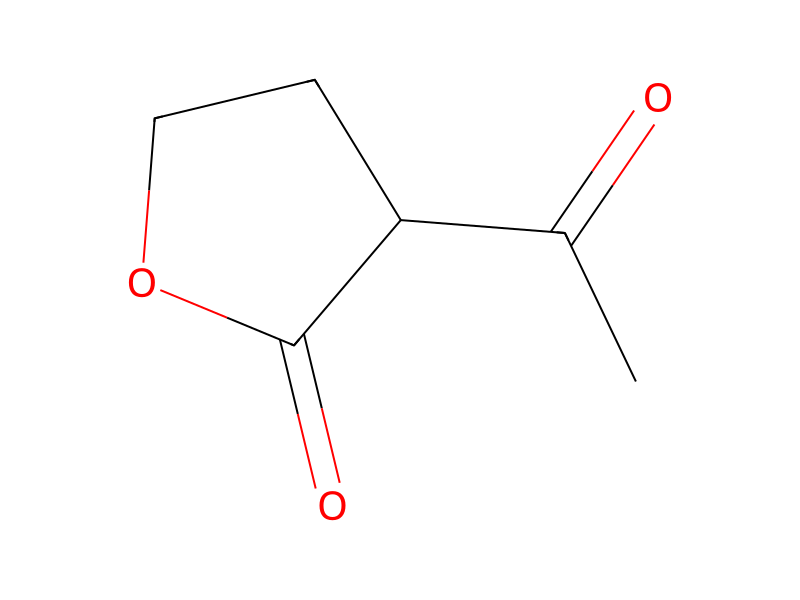
[C:1]1([S:7]([C:10]2[C:14]([S:15][CH3:16])=[N:13][NH:12][C:11]=2[NH2:17])(=[O:9])=[O:8])[CH:6]=[CH:5][CH:4]=[CH:3][CH:2]=1.[C:18]([CH:21]1[CH2:26][CH2:25][O:24][C:22]1=[O:23])(=O)[CH3:19].[OH2:27].[C:28](O)(=O)[CH3:29]>>[C:1]1([S:7]([C:10]2[C:14]([S:15][CH3:16])=[N:13][N:12]3[C:22]([OH:23])=[C:21]([CH2:26][C:25]([O:24][CH2:28][CH3:29])=[O:27])[C:18]([CH3:19])=[N:17][C:11]=23)(=[O:9])=[O:8])[CH:2]=[CH:3][CH:4]=[CH:5][CH:6]=1Komponenten
5




Versuchsvorschrift
A solution of 2.69 g (10 mmol) of 4-benzenesulphonyl-5-methylsulphanyl-2H-pyrazol-3-ylamine and 1.28 g (10 mmol) of 2-acetyl-butyrolactone in 10 ml of acetic acid was heated at reflux for 1.5 hrs. After cooling to RT the mixture was treated with 50 ml of H2O and extracted three times with CH2Cl2. The organic phases were dried (MgSO4), filtered and evaporated. Chromatography (SiO2, CH2Cl2/MeOH 20:1) of the residue yielded 1.5 g (36%) of ethyl 2-(3-benzenesulphonyl-7-hydroxy-5-methyl-2-methylsulphanyl-pyrazolo[1,5-a]pyrimidin-6-yl)-acetate as a colorless foam.