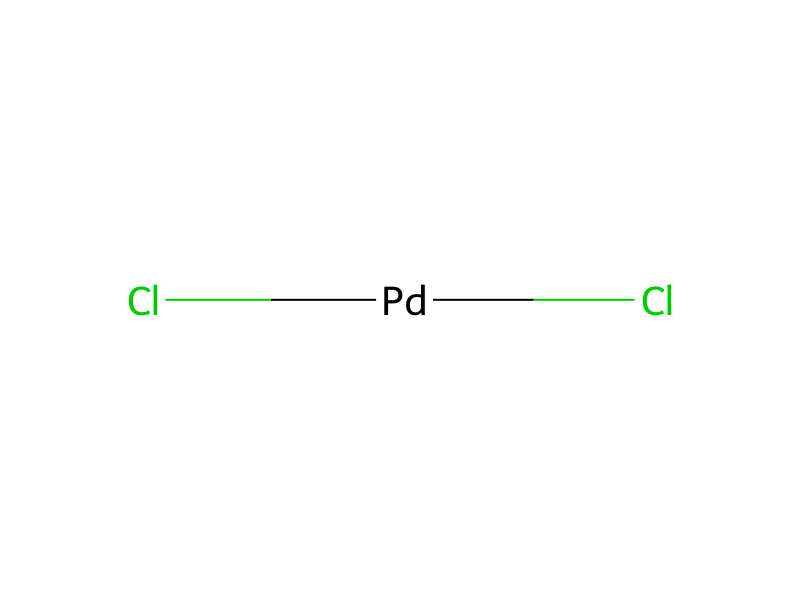
[CH:1]1([CH2:6][OH:7])[CH2:5][CH2:4][CH2:3][CH2:2]1.[C:8]([C:12]1[CH:17]=[CH:16][C:15]([CH:18]([C:20]2[CH:25]=[CH:24][C:23]([Cl:26])=[C:22]([O:27][CH3:28])[N:21]=2)O)=[CH:14][CH:13]=1)([CH3:11])([CH3:10])[CH3:9].O>ClCCCl.[Pd](Cl)Cl>[C:8]([C:12]1[CH:13]=[CH:14][C:15]([CH:18]([O:7][CH2:6][CH:1]2[CH2:5][CH2:4][CH2:3][CH2:2]2)[C:20]2[N:21]=[C:22]([O:27][CH3:28])[C:23]([Cl:26])=[CH:24][CH:25]=2)=[CH:16][CH:17]=1)([CH3:11])([CH3:9])[CH3:10]Cyclopentylmethanol (0.039 mL) and palladium chloride (6.0 mg) were added to a solution of (4-tert-butylphenyl)(5-chloro-6-methoxypyridin-2-yl)methanol (110 mg) in 1,2-dichloroethane (2 mL) at room temperature, after which the mixture was stirred at 80° C. for six hours and then stirred at room temperature for two days. Water was added to the reaction solution, followed by extraction with ethyl acetate. The organic layer was washed with water and brine, dried over anhydrous magnesium sulfate and filtered, after which the solvent was evaporated under reduced pressure. The residue was purified by silica gel column chromatography (hexane:ethyl acetate=20:1) to give 6-[(4-tert-butylphenyl)(cyclopentylmethoxy)methyl]-3-chloro-2-methoxypyridine as a pale red oil (112 mg, 86%).
Wird geladen…