StartseiteMCPWorkbenchSkills
StartseiteWorkbenchBenachrichtigungenMein Bereich
llms.txt · MCP-AnleitungDatenschutz · Nutzungsbedingungen · Supportv1.8.0
  1. Startseite
  2. /Reaktion

Carbon Dioxide → 2-(4-bromophenyl)-2H-1,2,3-triazole 1-oxide

HRID 84296
Notizen
Druckvorschau

Reaktionsgleichung

Reaktionsgleichung von HRID 84296
[CH:1]([CH:3]=O)=O.[NH2:5][OH:6].Cl.C(=O)([O-])[O-].[Na+].[Na+].C(=O)=O.[Br:17][C:18]1[CH:23]=[CH:22][C:21]([NH:24][NH2:25])=[CH:20][CH:19]=1>S([O-])([O-])(=O)=O.[Cu+2].O.N1C=CC=CC=1.CO.O>[Br:17][C:18]1[CH:23]=[CH:22][C:21]([N:24]2[N:25]=[CH:3][CH:1]=[N+:5]2[O-:6])=[CH:20][CH:19]=1
KomponentenVersuchsvorschriftAufarbeitungQuellen und NachweiseNotizen zur Reaktion

Komponenten

11

Edukt 6

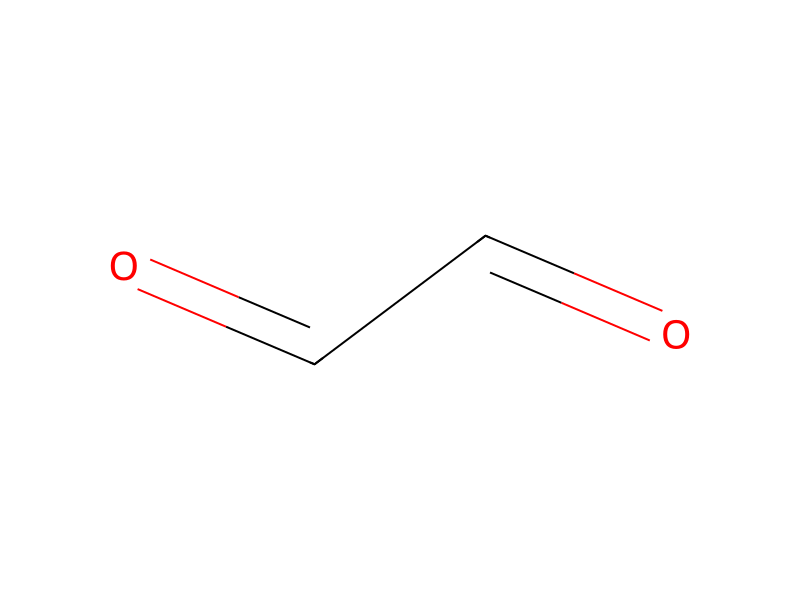
HCID 280Carbon DioxideHCID 313Hydrochloric Acid3×HCID 787HydroxylamineHCID 7860Glyoxal2×HCID 10340Sodium CarbonateHCID 121584-Bromophenylhydrazine

Produkt 1

HCID 67248766
2-(4-bromophenyl)-2H-1,2,3-triazole 1-oxide

Reagenzien, Katalysatoren, Lösungsmittel 4

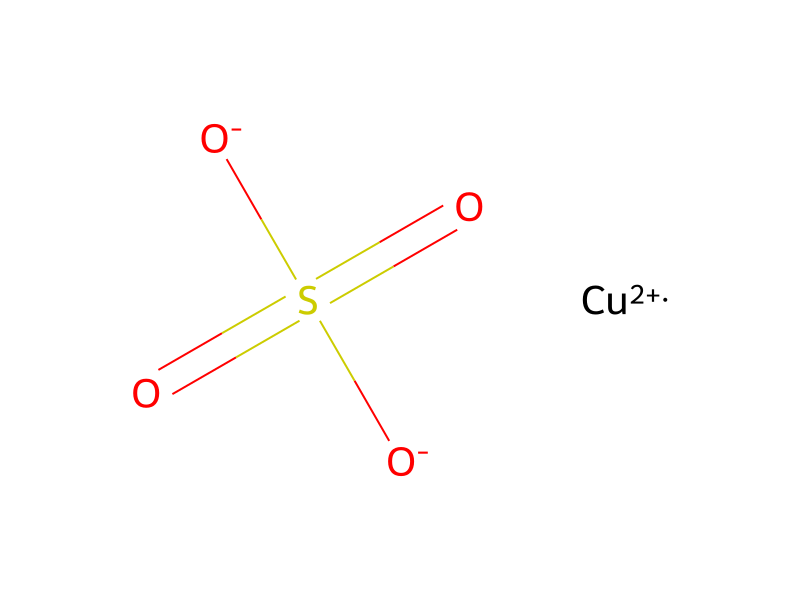
HCID 24462Copper SulfateKatalysatorHCID 887MethanolLösungsmittelHCID 962WaterLösungsmittelHCID 66926435Pyridine waterLösungsmittel

Versuchsvorschrift

Water (20 ml) was added to a flask containing glyoxal (2.0 g, 14 mmol). Hydroxylamine.HCl (958 mg, 13.8 mmol) and sodium carbonate (1.53 g, 14.5 mmol) were added in one portion to the glyoxal flask (CO2 evolution observed). The reaction mixture was stirred at RT for 20 minutes (reaction mixture turned yellow). Methanol (40 ml) was added to the reaction mixture and 4-bromophenyl hydrazine.HCl (3.1 g, 13.8 mmole) was added portionwise under ice cooling. The reaction mixture was then stirred at rt for 30 min. Copper (II) sulfate.hexahydrate (20 g, 78 mmol) was added to the reaction mixture. A water:pyridine (1:1) mixture (200 ml) was added then heated at 90° C. for 16 hours. The reaction mixture was cooled and adjusted to pH=3 with 6N HCl (approx 200 ml). The mixture was filtered through celite to remove insolubles. The celite was washed with additional ethyl acetate (1000 ml). The organic layer was separated and the product extracted additionally from the aqueous layer with EtOAc(3×250). The organic phases were combined, dried over potassium carbonate, filtered and concentrated to approximately half the volume. This material was then filtered through a silica pad (approx 6 in). Silica was washed with an additional 300 ml of ethyl acetate. The solvent was then concentrated in vacuo. The crude material was purified by chromatography on silica gel (4:1 heptane:EtOAc to 3:1 heptane:EtOAc). Concentrated fractions furnished a light tan solid (1.0 g, 30% TY). MS (LC/MS) m/z 240.1 (M+1). 1H NMR (400 MHz, CHLOROFORM-d) δ ppm 7.47 (d, J=0.98 Hz, 1 H) 7.65-7.69 (m, 2 H) 7.73 (d, J=0.78 Hz, 1 H) 7.86-7.90 (m, 2 H)


Aufarbeitung

  1. custom(reaction mixture turned yellow)
  2. stirringThe reaction mixture was then stirred at rt for 30 min
  3. temperaturethen heated at 90° C. for 16 hours
  4. temperatureThe reaction mixture was cooled
  5. filtrationThe mixture was filtered through celite
  6. customto remove insolubles
  7. washThe celite was washed with additional ethyl acetate (1000 ml)
  8. customThe organic layer was separated
  9. extractionthe product extracted additionally from the aqueous layer with EtOAc(3×250)
  10. dry with materialdried over potassium carbonate
  11. filtrationfiltered
  12. concentrationconcentrated to approximately half the volume
  13. filtrationThis material was then filtered through a silica pad (approx 6 in)
  14. washSilica was washed with an additional 300 ml of ethyl acetate
  15. concentrationThe solvent was then concentrated in vacuo
  16. customThe crude material was purified by chromatography on silica gel (4:1 heptane:EtOAc to 3:1 heptane:EtOAc)
  17. concentrationConcentrated
  18. customfractions furnished a light tan solid (1.0 g, 30% TY)

Quellen und Nachweise

ORD-Eintrag
ord-1a09ff0b894d4c2381d8cfb3814f96b8
Quelldatensatz
uspto-grants-2014_09
DOI
10.6084/m9.figshare.5104873.v1
Patentnummer
US08846933B2

Notizen zur Reaktion

Wird geladen…

Auf dieser SeiteKomponentenVersuchsvorschriftAufarbeitungQuellen und NachweiseNotizen zur Reaktion