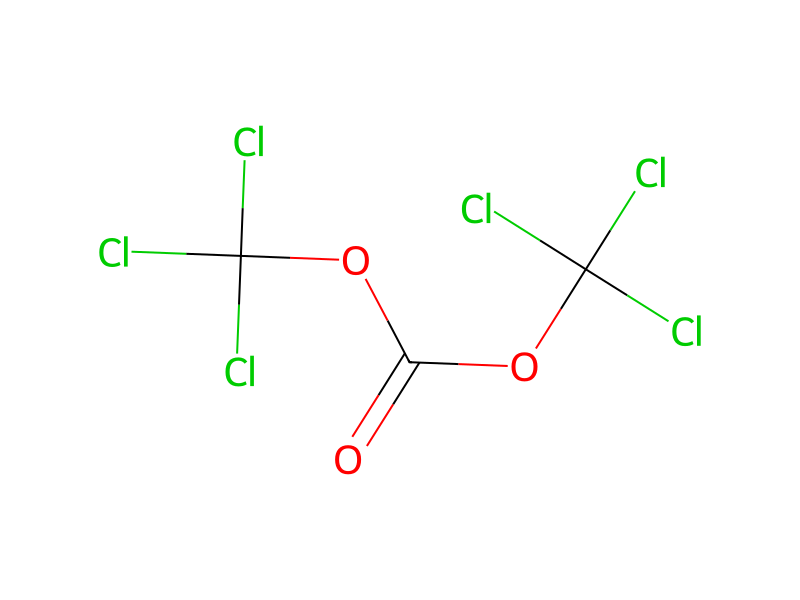
Cl.[C:2]([O:6][C:7](=[O:10])[CH2:8][NH2:9])([CH3:5])([CH3:4])[CH3:3].C(N(CC)C(C)C)(C)C.ClC(Cl)(O[C:24](=[O:30])[O:25][C:26](Cl)(Cl)Cl)Cl.O[CH2:33][C:34]1(C)[O:38][C:37]2=[N:39][C:40]([N+:42]([O-:44])=[O:43])=[CH:41][N:36]2[CH2:35]1>C(Cl)Cl.CN(C=O)C.O>[C:2]([O:6][C:7](=[O:10])[CH2:8][NH:9][C:24]([O:25][CH2:26][C:34]1([CH3:33])[O:38][C:37]2=[N:39][C:40]([N+:42]([O-:44])=[O:43])=[CH:41][N:36]2[CH2:35]1)=[O:30])([CH3:5])([CH3:4])[CH3:3]Glycine tert-butyl ester monohydrochloride (0.52 g, 2.27 mmol) in methylene chloride (5 ml) and N,N-diisopropylethylamine (1.05 ml, 4.53 mmol) were added to a triphosgene (0.30 g, 0.76 mmol) in methylene chloride (10 ml) with cooling on ice-bath followed by stirring at room temperature for 2 hours. Insoluble matters were removed by filtration, and the filtrate was concentrated under reduced pressure. The residue was added to a solution of 2-hydroxymethyl-2-methyl-6-nitro-2,3-dihydroimidazo[2,1-b]oxazole prepared in Example 33 (0.30 g, 1.51 mmol) in DMF (3 ml) with cooling on ice-bath. Then cuprous chloride (75 mg, 0.76 mmol) was added to the resulting mixture followed by stirring at room temperature for 22 hours. Water was added to the reaction mixture, the resulting mixture was extracted with ethyl acetate. The organic phase was washed with water, dried over magnesium sulfate and then concentrated under reduced pressure. The residue was purified by silica gel column chromatography (n-hexane/ethyl acetate=3/2) to afford tert-butyl(2-methyl-6-nitro-2,3-dihydroimidazo[2,1-b]oxazol-2-ylmethoxycarbonylamino)acetate (40 mg, yield 7%) as a white solid.