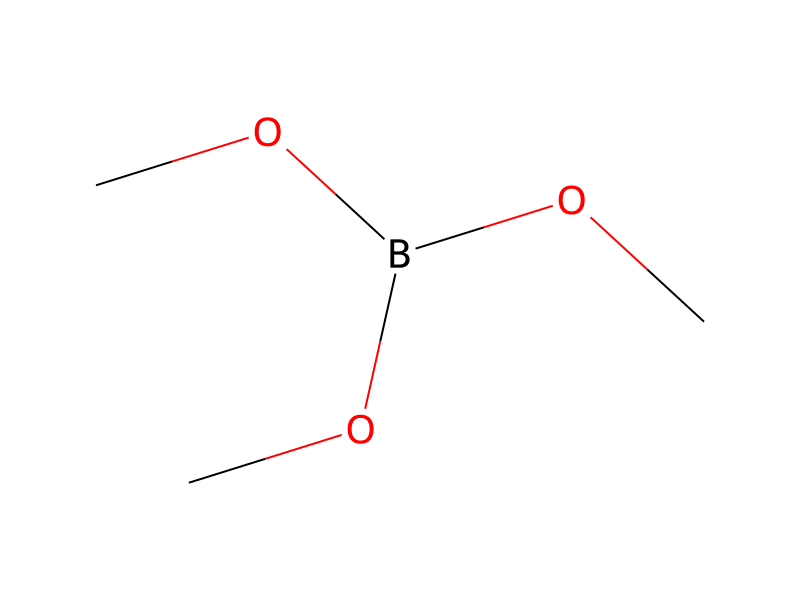
52 ml (130 mmol) of n-butyllithium (2.5 M in n-hexane) are added dropwise with vigorous stirring at −78° C. to a suspension of 30.7 g (100 mmol) of 5-bromobenz[a]anthracene in 1000 ml of THF, and the mixture is stirred for a further 2 h. 16.7 ml (150 mmol) of trimethyl borate are added to the red solution in one portion with vigorous stirring, the mixture is stirred at −78° C. for a further 30 min., then warmed to room temperature over the course of 3 h, 300 ml of water are added, and the mixture is stirred for 30 min. The organic phase is separated off and evaporated to dryness in vacuo. The solid is taken up in 100 ml of n-hexane, filtered off with suction, washed once with 100 ml of hexane and dried in vacuo. Yield: 24.8 g (91 mmol), 91%, purity about 90% (NMR) of boronic acid, with varying amounts of boronic anhydride and borinic acid. The boronic acid can be used in this form without further purification.