Reaktionsgleichung

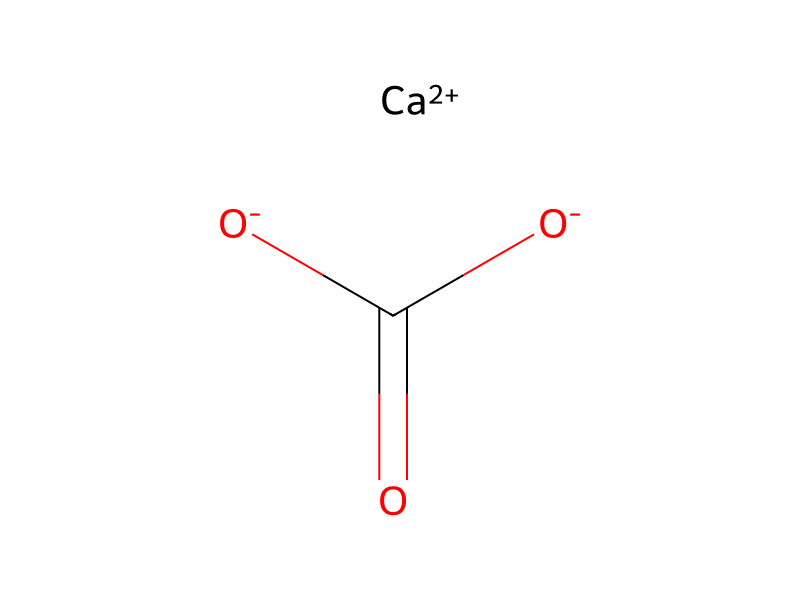
[Cl:1][C:2]([Cl:8])=[CH:3][CH:4]=[C:5]([CH3:7])[CH3:6].Br[CH:10]([C:16]#[N:17])[C:11]([O:13][CH2:14][CH3:15])=[O:12].C(=O)([O-])[O-].[Ca+2].[Ca].[Cl-].[Na+].Cl>[Cu].C(OCCCC)(=O)C.O>[CH2:14]([O:13][C:11]([C:10]1([C:16]#[N:17])[CH:4]([CH:3]=[C:2]([Cl:8])[Cl:1])[C:5]1([CH3:7])[CH3:6])=[O:12])[CH3:15]Komponenten
Edukt 6




Produkt 1

Reagenzien, Katalysatoren, Lösungsmittel 3



Reaktionsbedingungen
- Temperatur
- 80 °C
Versuchsvorschrift
A mixture of 1,1-dichloro-4-methylpenta-1,3-diene (30.2 parts), ethyl bromocyanoacetate (38.4 parts), calcium carbonate (20 parts), copper catalyst, phase transfer catalyst and calcium or sodium chloride (each as indicated in the table below) and water (100 parts) is heated at 80° C. and held at 80° C. for 6 hours. The reaction mixture is cooled and stirred with water (100 parts), butyl acetate (100 parts by volume) and concentrated hydrochloric acid (100 parts by volume). The mixture is filtered and the residue is washed with butyl acetate (2×20 parts by volume). The filtrate and washes are combined and the butyl acetate layer is separated and washed with water (4×50 parts). The crude ethyl-1-cyano-3-(2',2'-dichlorovinyl)-2,2-dimethylcyclopropane-1-carboxylate is isolated by removal of the butyl acetate under reduced pressure.
Aufarbeitung
- temperatureThe reaction mixture is cooled
- filtrationThe mixture is filtered
- washthe residue is washed with butyl acetate (2×20 parts by volume)
- customthe butyl acetate layer is separated
- washwashed with water (4×50 parts)
Quellen und Nachweise
- ORD-Eintrag
- ord-db4f54f5210949e58fe9a53847bdc973
- Quelldatensatz
- uspto-grants-1981_08
- Patentnummer
- US04284582
Verknüpfte Notizen
Wird geladen…