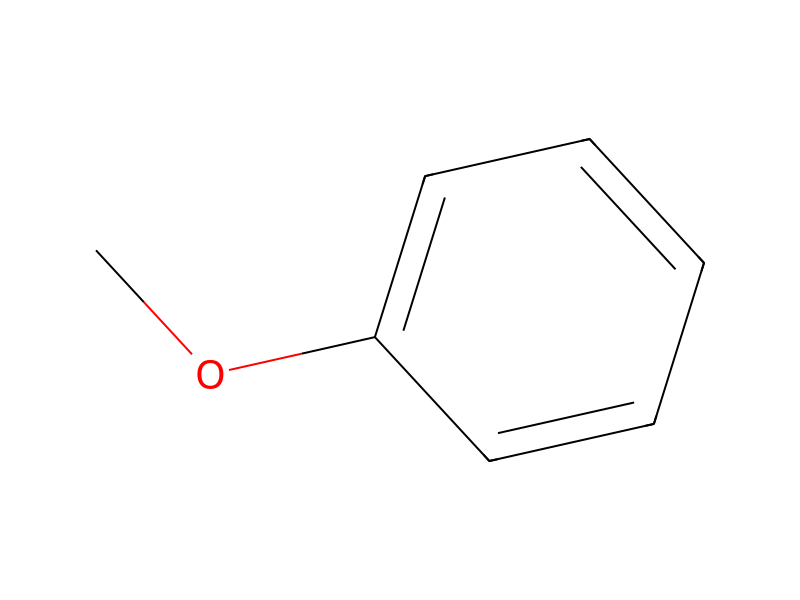
[C:1]([CH:9]1[CH2:14][CH2:13][CH2:12][CH2:11][C:10]1=O)(=[O:8])[C:2]1[CH:7]=[CH:6][CH:5]=[CH:4][CH:3]=1.[CH3:16][O:17][C:18](=[O:29])[C@H:19]([CH2:21][C:22]1[CH:27]=[CH:26][C:25]([OH:28])=[CH:24][CH:23]=1)[NH2:20].O.CO>C1(OC)C=CC=CC=1.[Pd]>[CH3:16][O:17][C:18](=[O:29])[CH:19]([NH:20][C:10]1[CH:11]=[CH:12][CH:13]=[CH:14][C:9]=1[C:1](=[O:8])[C:2]1[CH:3]=[CH:4][CH:5]=[CH:6][CH:7]=1)[CH2:21][C:22]1[CH:27]=[CH:26][C:25]([OH:28])=[CH:24][CH:23]=1To a mixture of 2-benzoylcyclohexanone (90.9 g, 0.45 mol), L-tyrosine methyl ester (78.0 g, 0.40 mol) in anisole (1000 ml) is added 5% palladium on carbon (20 g), then the mixture is heated to reflux for 2 h while the resulting water is removed by a Dean-Stark apparatus. The mixture is cooled to 80° C., and the Pd/C is filtered and washed with anisole (3×60 ml). The mixture is cooled to 40° C., hexane (1000 ml) is added and the mixture kept at −20° C. for 48 h. The solid is filtered and washed with hexane (5×200 ml) to yield the crude 2-((2-benzoylphenyl)-amino)-3-(4-hydroxyphenyl)-propionic acid methyl ester. The crude product is mixed with 250 ml of methanol and is refluxed for 30 min. After cooled to 0° C., the product is filtered, washed with methanol (2×50 ml), and dried under a vacuum to give the title compound (60.2 g, 40.1%).