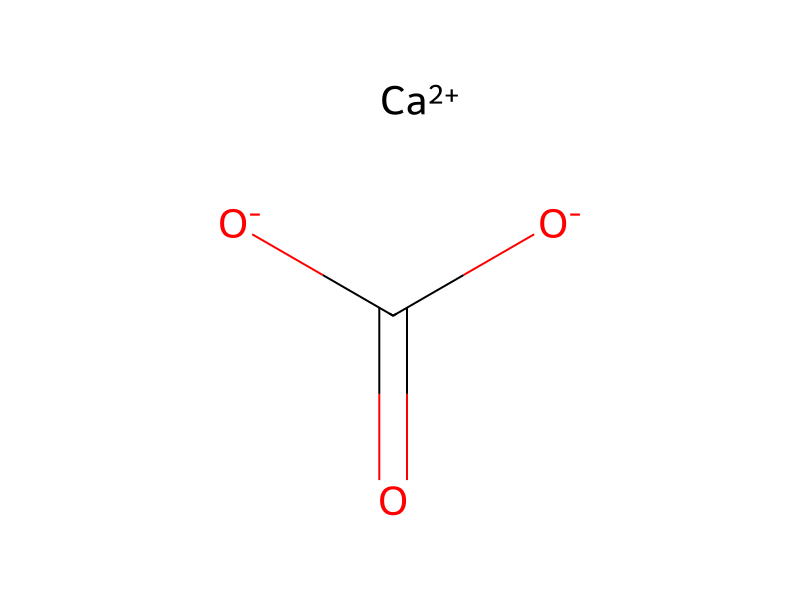
[N:1]1([CH2:7][C:8]2[S:12][C:11]([C:13]3[O:14][C:15]4[CH:21]=[CH:20][C:19]([N+:22]([O-])=O)=[CH:18][C:16]=4[N:17]=3)=[CH:10][CH:9]=2)[CH2:6][CH2:5][O:4][CH2:3][CH2:2]1.O.C(=O)([O-])[O-].[Ca+2].[C:31](Cl)(Cl)=[S:32]>O1CCCC1.C(Cl)(Cl)Cl.[Pt]=O>[N:22]([C:19]1[CH:20]=[CH:21][C:15]2[O:14][C:13]([C:11]3[S:12][C:8]([CH2:7][N:1]4[CH2:6][CH2:5][O:4][CH2:3][CH2:2]4)=[CH:9][CH:10]=3)=[N:17][C:16]=2[CH:18]=1)=[C:31]=[S:32]To a solution of 2-[5-(4-morpholinylmethyl)-2-thienyl]-5-nitrobenzoxazole (1.75 g, 0.005 mole) in 50 ml of tetrahydrofuran, 0.2 g of platinum oxide is added. The mixture is hydrogenated at 50 psi over a period of 3 hours. The catalyst is removed by filtration and the solvent is evaporated under vacuum yielding an oil. The oil is dissolved in 25 ml of chloroform and added slowly to the following mixture at 10°C: water 25 ml; calcium carbonate 1.2 g, 0.012 mole; thiophosgene 0.6 g, 0.005 mole; and chloroform 25 ml. The reaction mixture is then stirred overnight at room temperature. The chloroform layer is separated, dried over anhydrous magnesium sulfate and evaporated under vacuum yielding a solid. Crystallization from petroleum ether yields 0.380 g of the title compound, melting point 135°-138°C.