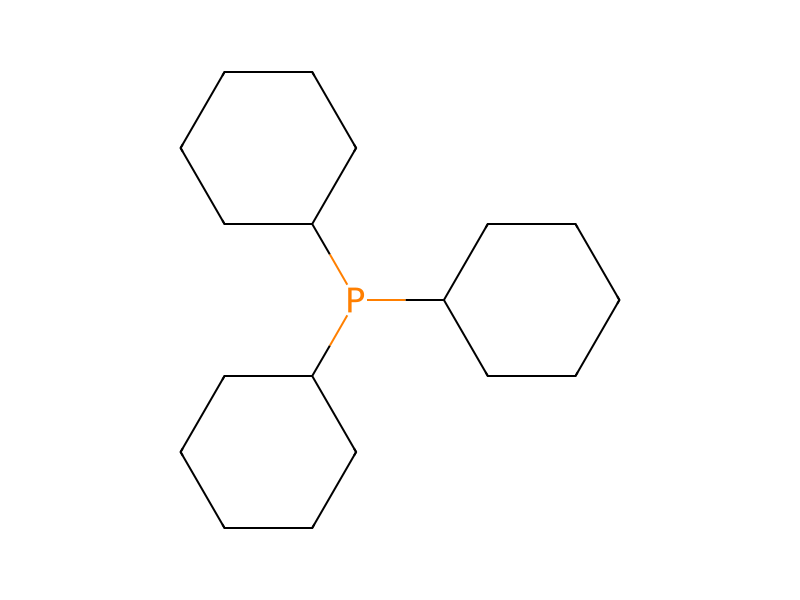
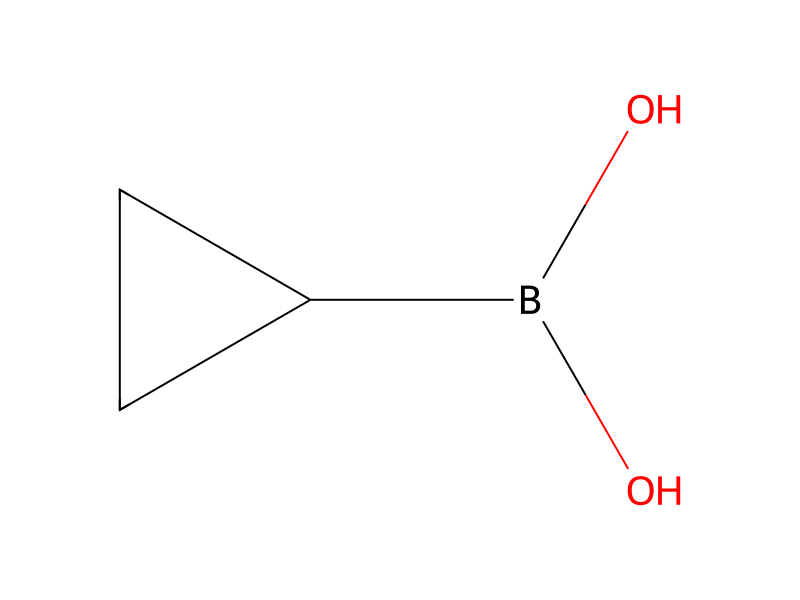
[CH3:1][O:2][C:3]([C:5]1[C:6](Cl)=[N:7][C:8]([N:12]2[CH2:17][CH2:16][O:15][CH2:14][CH2:13]2)=[CH:9][C:10]=1[CH3:11])=[O:4].[CH:19]1(B(O)O)[CH2:21][CH2:20]1.[O-]P([O-])([O-])=O.[K+].[K+].[K+].C1(P(C2CCCCC2)C2CCCCC2)CCCCC1>C1(C)C=CC=CC=1.CC([O-])=O.CC([O-])=O.[Pd+2].O>[CH3:1][O:2][C:3]([C:5]1[C:6]([CH:19]2[CH2:21][CH2:20]2)=[N:7][C:8]([N:12]2[CH2:17][CH2:16][O:15][CH2:14][CH2:13]2)=[CH:9][C:10]=1[CH3:11])=[O:4]To a solution of 1.0 g (3.69 mmol) 2-chloro-4-methyl-6-morpholino-pyridine-3-carboxylic acid methylester (synthesis is described in section b) of example 354) in toluene (20 ml) were added 634 mg (7.38 mmol) cyclopropyl boronic acid, 2.74 g (12.9 mmol) K3PO4, 104 mg (0.37 mmol) tri-cyclohexyl-phosphine and water (1 ml). After degassing for 30 min 82 mg (0.37 mmol) Pd(OAc)2 were added and the reaction solution was heated at 120° C. for 16 h. The mixture was then poured into water and extracted with EtOAc. The organic layer was washed with water and brine, dried over Na2SO4 and concentrated in vacuo. Purification of the residue by CC (hexane/EtOAc 17:3) provided 500 mg (1.84 mmol, 80%) 2-cyclopropyl-4-methyl-6-morpholino-pyridine-3-carboxylic acid methylester