
Methylumbelliferone
Basic information
- CAS
531-59-9- Standard SMILES
COc1ccc2ccc(=O)oc2c1- InChIKey
LIIALPBMIOVAHH-UHFFFAOYSA-N- Molecular formula
- C10H8O3
- Average molar mass
- 176.17 g/mol
- Monoisotopic mass
- 176.04734412
Overview
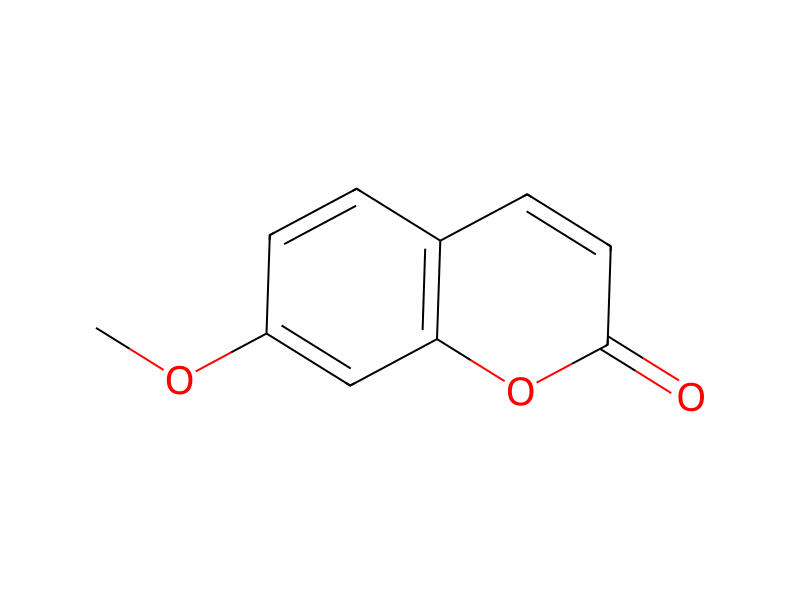
Herniarin is a member of the class of coumarins that is coumarin substituted by a methoxy group at position 7. It has a role as a fluorochrome.
Names & identifiers
- Preferred name
- Methylumbelliferone
- IUPAC
- 7-methoxychromen-2-one
- English name
- 7-Methoxycoumarin
- Molecular formula
- C10H8O3
- Molecular weight
- 176.17
Names & synonyms
7-MethoxycoumarinHerniarin531-59-97-Methoxy-2H-chromen-2-oneAyapaninMethylumbelliferone7-methoxychromen-2-oneHerniarine7-Methoxy-2H-1-benzopyran-2-one2H-1-BENZOPYRAN-2-ONE, 7-METHOXY-DGK72G008ANSC-404559
Show more names
2H-1-Benzopyran-2-one,7-methoxy-AYAPAMINHernianin
CHEBI:5679DTXSID5060196RefChem:25893DTXCID5041354208-513-3Coumarin, 7-methoxy-Methyl umbelliferyl etherMETHOXYCOURMARIN, 7-
Database identifiers
- CAS
531-59-9- PubChem CID
- 10748
- DTXSID
DTXSID5060196- ChEMBL
CHEMBL49732- ChEBI
CHEBI:5679- UNII
- DGK72G008A
- EC Number
- 208-513-3
- Nikkaji
- J11.715C
Properties
Computed structural properties
- XLogP
- 1.9
- Topological polar surface area
- 35.5 Ų
- Hydrogen bond donors
- 0
- Hydrogen bond acceptors
- 3
- Rotatable bonds
- 1
- Heavy atoms
- 13
- Formal charge
- 0
- Complexity
- 234
Experimental & physicochemical properties
SpringerMaterials PropertiesChemical shift
FragrancesFragrance substance (7-Methoxycoumarin) -> IFRA amendment 43
LogP2.13
Solubility0.133 mg/mL
Boiling Point334.00 to 335.00 °C. @ 760.00 mm Hg
Melting Point117 - 118 °C
Physical DescriptionSolid
Physicochemical properties
- Melting point
- 117 · 117-121 °C(lit.)
- Boiling point
- 247.77 °C · 247.77°C (rough estimate)
- Density
- 1.1795 · 1.1795 (rough estimate)
- refractive index
- 1.45 · 1.4500 (estimate)
Safety & regulation
Safety information is for reference only and does not replace the supplier’s Safety Data Sheet (SDS), applicable regulations, or professional assessment.
GHS classification
GHS Classification
This chemical does not meet GHS hazard criteria for 98.9% (91 of 92) of all reports.
Not Classified
Aggregated GHS information provided per 92 reports by companies from 2 notifications to the ECHA C&L Inventory.
Hazard information
Regulatory Information
Chemical: 2H-1-Benzopyran-2-one, 7-methoxy-
2H-1-Benzopyran-2-one, 7-methoxy-: Does not have an individual approval but may be used under an appropriate group standard
Hazard Classes and CategoriesNot Classified
Safety data
- F
- 8
- PPE
- Eyeshields, Gloves, type N95 (US)
- wgk
- 2
- tsca
- TSCA listed
- rtecs
- DJ3100380
- hs_code
- 32129000
- risk_code
- 36/37/38
- Signal word
- Warning
- Symbol(GHS)
- GHS07
- hazard_code
- Xi
- safety_code
- 22-24/25-36-26
- hazard_class
- IRRITANT
- Storage Class
- 11 - Combustible Solids
- Hazard statements
- H303
- Precautionary statements
Chemistry & industry
Pharmacology
Metabolism/Metabolites7-methoxycoumarin has known human metabolites that include 4-Hydroxy-7-methoxycoumarin and 7-Hydroxycoumarin.
Cellular LocationsCytoplasm
Uses & manufacturing
IFRA Fragrance Standards
7-Methoxycoumarin
2H-1-Benzopyran-2-one, 7-methoxy-; Herniarin
IFRA_STD_158.pdf
43
IFRA 51st Amendment - Guidance for the use of IFRA Standards
Prohibition: This material should not be used as a fragrance ingredient_Restriction: This material should be used only in the limited quantity as stated in the Standard
General Manufacturing Information2H-1-Benzopyran-2-one, 7-methoxy-: ACTIVE
Applications
Uses7-Methoxycoumarin is a compound biosynthesized in lavender that exhibits antimicrobial activity.
Uses7-Methoxycoumarin (Herniarin) is used to study antioxidant and hepatoprotective properties and its activity as an allergen. 7-Methoxycoumarin may be used as a reference material in the purification, separation and analysis of coumarin compounds.
General Description7-Methoxycoumarin is one of the main volatile odorant found in key lime essential oil and tarragon leaves.
Upstream & downstream products
Upstream raw materials
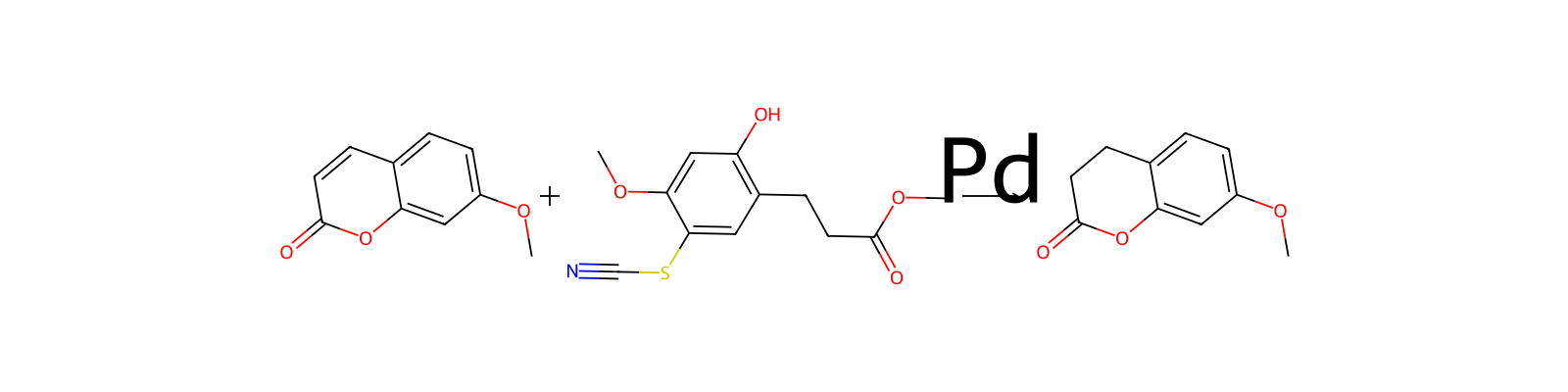
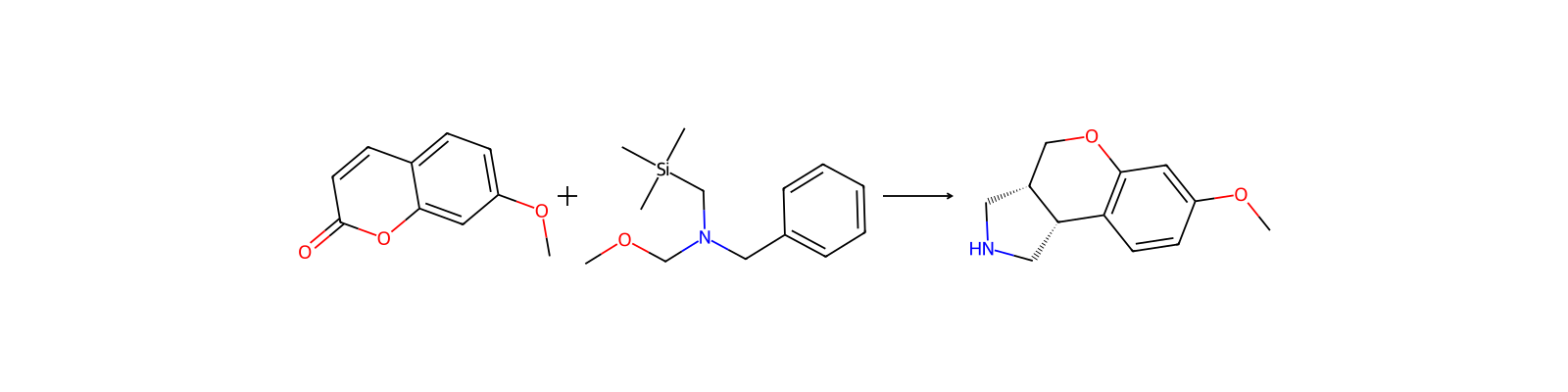
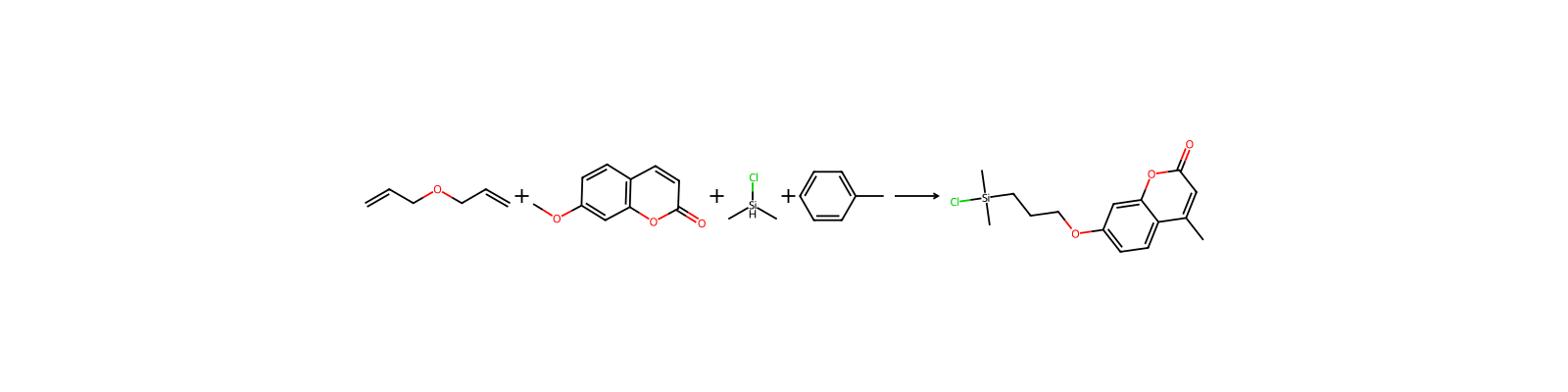
Related reactions
8 records



Compound notes
Loading…