Reaction equation

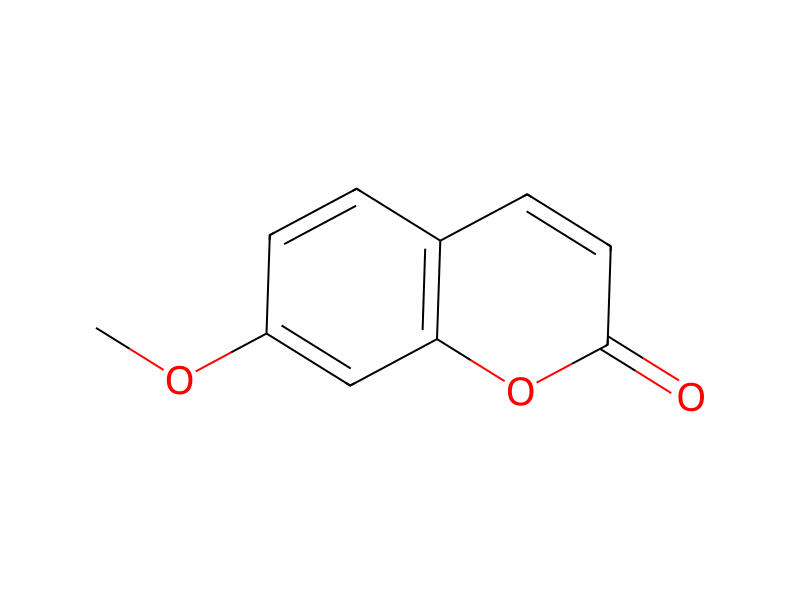
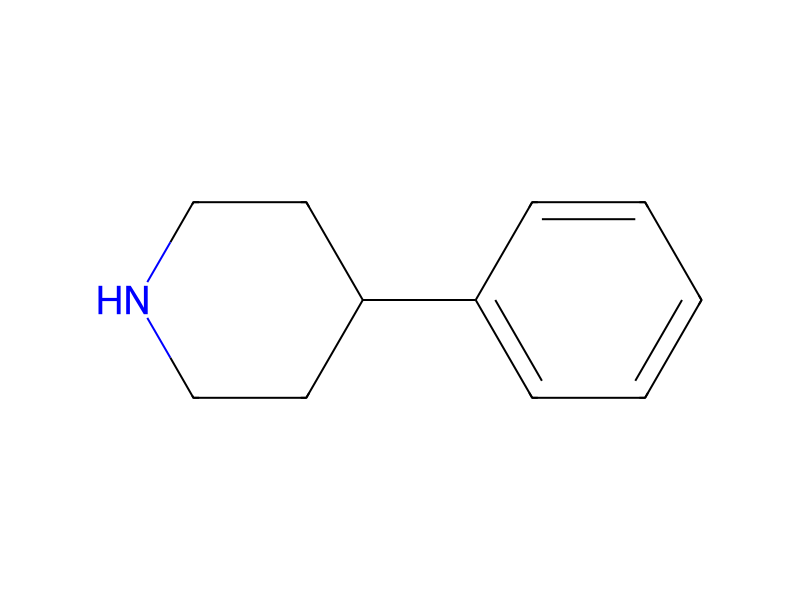
[CH3:1][O:2][C:3]1[CH:13]=[CH:12][C:6]2[CH:7]=[CH:8][C:9](=[O:11])[O:10][C:5]=2[CH:4]=1.[C:14]1([CH:20]2[CH2:25][CH2:24][NH:23][CH2:22][CH2:21]2)[CH:19]=[CH:18][CH:17]=[CH:16][CH:15]=1.[CH:26]([OH:29])([CH3:28])C.Cl.[CH2:31](O)C>>[CH3:1][O:2][C:3]1[C:13]([O:29][CH2:26][CH2:28][CH2:31][N:23]2[CH2:22][CH2:21][CH:20]([C:14]3[CH:19]=[CH:18][CH:17]=[CH:16][CH:15]=3)[CH2:25][CH2:24]2)=[CH:12][C:6]2[CH:7]=[CH:8][C:9](=[O:11])[O:10][C:5]=2[CH:4]=1Participants
6




Procedure
Method A (4 h at 80° C.); starting materials: 6-[3-methanesulfonyloxy)propoxy]-7-methoxy-2H-1-benzopyran-2-one (example 67) and 4-phenylpiperidine; yield 55%; fusion point 123°-125° C. (from isopropanol). Hydrochloride: method G; yield 96%; fusion point 212°-215° C. (from isopropanol and ethanol).
Workup
- customMethod A (4 h at 80° C.)
Sources & evidence
- ORD record
- ord-fe7a62813244417eabf620c30a56b95d
- Source dataset
- uspto-grants-1995_06
- Patent number
- US05428038
Linked notes
Loading…