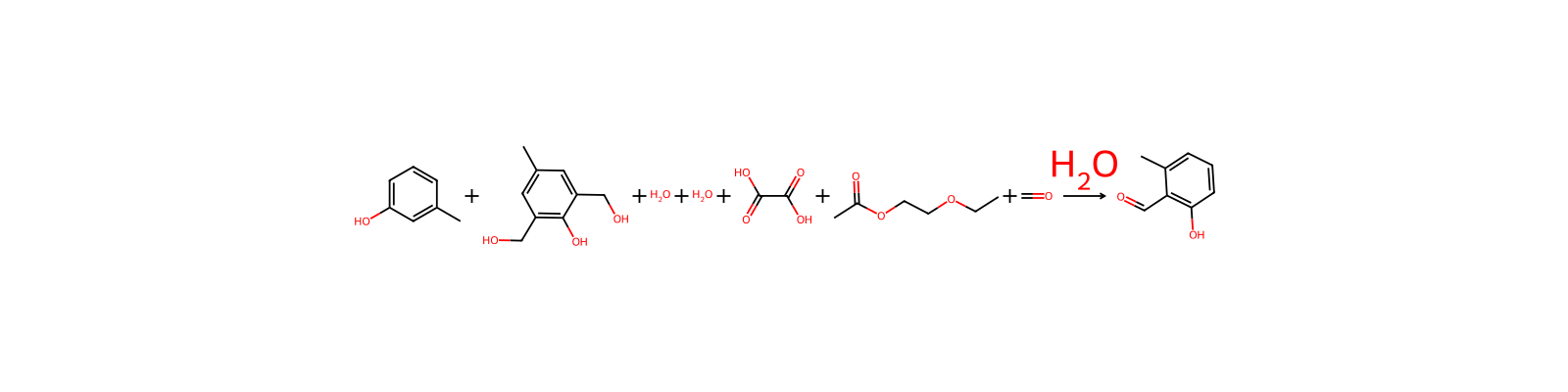
Oxalic acid dihydrate

Basic information
- CAS
6153-56-6- Standard SMILES
O.O.O=C(O)C(=O)O- InChIKey
GEVPUGOOGXGPIO-UHFFFAOYSA-N- Molecular formula
- C2H2O4.2H2O
- Average molar mass
- 126.07 g/mol
- Monoisotopic mass
- 126.01643791
Overview
Oxalic acid is a dicarboxylic acid. It is a colorless crystalline solid that dissolves in water to give colorless, acidic solutions. In terms of acid strength, it is much stronger than acetic acid. Oxalic acid, because of its di-acid structure can also act as a chelating agent for metal cations. About 25% of produced oxalic acid is used as a mordant in dyeing processes. It is also used in bleaches, especially for pulpwood. Oxalic acid's main applications include cleaning (it is also found in baking powder) or bleaching, especially for the removal of rust. Oxalic acid is found in a number of common foods with members of the spinach family being particularly high in oxalates. Beat leaves, parsley, chives and cassava are quite rich in oxalate. Rhubarb leaves contain about 0.5% oxalic acid and jack-in-the-pulpit (Arisaema triphyllum) contains calcium oxalate crystals. Bacteria naturally produce oxalates from the oxidation of carbohydrates. At least two pathways exist for the enzyme-mediated formation of oxalate in humans. In one pathway, oxaloacetate (part of the citric acid cycle) can be hydrolyzed to oxalate and acetic acid by the enzyme oxaloacetase. Oxalic acid can also be generated from the dehydrogenation of glycolic acid, which is produced by the metabolism of ethylene glycol. Oxalate is a competitive inhibitor of lactate dehydrogenase (LDH). LDH catalyses the conversion of pyruvate to lactic acid oxidizing the coenzyme NADH to NAD+ and H+ concurrently. As cancer cells preferentially use aerobic glycolysis, inhibition of LDH has been shown to inhibit tumor formation and growth. However, oxalic acid is not particularly safe and is considered a mild toxin. In particular, it is a well-known uremic toxin. In humans, ingested oxalic acid has an oral lowest-published-lethal-dose of 600 mg/kg. It has been reported that the lethal oral dose is 15 to 30 grams. The toxicity of oxalic acid is due to kidney failure caused by precipitation of solid calcium oxalate, the main component of kidney stones. Oxalic acid can also cause joint pain due to the formation of similar precipitates in the joints.
Names & identifiers
- Preferred name
- Oxalic acid dihydrate
- IUPAC
- oxalic acid;dihydrate
- English name
- Oxalic acid dihydrate
- Molecular formula
- C2H6O6
- Molecular weight
- 126.07
Names & synonyms
Oxalic acid dihydrate6153-56-6Ethanedioic acid, dihydrateETHANEDIOIC ACID DIHYDRATE0K2L2IJ59OOXALICUM ACIDUMDTXSID2075003VARROMED COMPONENT OXALIC ACID DIHYDRATERefChem:1093935DTXCID8043070612-167-2Oxalic acid, dihydrate
Show more names
ETHANEDIOIC ACIDOxalate AcidOXALIC ACID 2H2OOXALIC ACID 2HYD XTLKH2PO56Has two acidOxalicAcidGrOXALIC ACID PUREACS, 99.5-102.5%
MFCD00149102OXALIC ACID (1,2-13C2)UNII-0K2L2IJ59OOxalicaciddihydrateoxalicacid dihydratedihydrate oxalic acidoxalic acid di-hydrateOXALIC ACID, ACS
Database identifiers
- CAS
6153-56-6- PubChem CID
- 61373
- DTXSID
DTXSID2075003- ChEMBL
CHEMBL5315063- UNII
- 0K2L2IJ59O
- EC Number
- 612-167-2
Properties
Computed structural properties
- Topological polar surface area
- 76.6 Ų
- Hydrogen bond donors
- 4
- Hydrogen bond acceptors
- 6
- Rotatable bonds
- 1
- Heavy atoms
- 8
- Formal charge
- 0
- Complexity
- 71.5
Experimental & physicochemical properties
Chemical ClassesOther Classes -> Organic Acids
FragrancesFragrance Ingredient (Oxalic acid dihydrate) -> IFRA transparency List
LogP-0.81
Density
1.65 g/cm³
1.653 @25 °C
SolubilitySolubility in water, g/100ml at 20 °C: 13-14
Animal Drugs
EMA approved medicines: Veterinary medicine
EMA approved medicines: Veterinary medicine
Melting Point
101-102 °C
189.5 °C
Vapor Pressure0.54 [mm Hg] @105 °C
Physical Description
Large Crystals; Dry Powder; Other Solid; Liquid; Liquid; Other Solid
Colorless solid; [ICSC] Colorless hygroscopic crystals; [Sigma-Aldrich MSDS]
COLOURLESS CRYSTALS.
Physicochemical properties
- Melting point
- 104 · 104-106 °C(lit.)
- Boiling point
- 108 · 108-109°C
- bulk density
- 813 kg/m3 · 813kg/m3
- Density
- 1 · 1,65 g/cm3
- vapor density
- 4.4 · 4.4 (vs air)
- vapor pressure
- 0.01 mm · <0.01 mm Hg ( 20 °C)
- Flash point
- 157 °C · 157°C
- storage temp.
- 5 °C · Store at +5°C to +30°C.
- solubility
- 2 O: · H2O: soluble1M at 20°C, clear, colorless
- form
- Powder/Solid
- Specific Gravity
- 1.65 · 1.65
- color
- Yellow to yellow-green
- PH
- 1 · ~1.0 (25℃, 1M in H2O)
- PH Range
- 6 · 6 - 8 at 25 °C
- Water Solubility
- 138 g/L · 138 g/L (20 ºC)
- Sublimation
- 157 · 157 ºC
- Merck
- 14 · 14,6911
- BRN
- 3679436 · 3679436
- Exposure limits
- 1 mg/m3;TLV-STEL:2 · ACGIH TLV-TWA:1 mg/m3;TLV-STEL:2 mg/m3OSHA PEL-TWA:for anhydrous acid 1 mg/m3
- Stability
- Stable. Incompatible with bases, acid chlorides, steel, silver, silver compounds, moisture. Avoid contact with metals.
- InChI
- 1S/C2H2O4.2H2O/c3-1(4)2(5)6;;/h(H,3,4)(H,5,6);2*1H2
- InChIKey
- GEVPUGOOGXGPIO-UHFFFAOYSA-N
- SMILES
- [H]O[H].[H]O[H].OC(=O)C(O)=O
- CAS DataBase Reference
- 6153 · 6153-56-6(CAS DataBase Reference)
- FDA UNII
- 0 K2L2IJ59O · 0K2L2IJ59O
- NIST Chemistry Reference
- Oxalic acid dihydrate(6153-56-6)
- EPA Substance Registry System
- Oxalic acid dihydrate (6153-56-6)
- Absorption
- 303 nm · cut-off at 303nm in H2O at 1M
- UNSPSC Code
- 41116107 · 41116107
- NACRES
- 25 · NA.25
- Symbol(GHS)
- 5 · GHS05,GHS07
- Signal word
- Danger
- Hazard statements
- 302 · H302+H312-H318
- Precautionary statements
- 264 · P264-P270-P280-P301+P312-P302+P352+P312-P305+P351+P338
- PPE
- 95 · dust mask type N95 (US), Eyeshields, Gloves
- Hazard Codes
- Xn,C
- Risk Statements
- 21 · 21/22-41
- Safety Statements
- 24 · 24/25-39-37-36-26
- RIDADR
- 3261 · UN 3261 8/PG 3
- WGK Germany
- 1 · 1
- RTECS
- 2450000 · RO2450000
- TSCA
- Yes
- HazardClass
- 8 · 8
- PackingGroup
- III
- HS Code
- 29171100 · 29171100
- Storage Class
- 11 · 11 - Combustible Solids
- Hazard Classifications
- 4 DermalAcute · Acute Tox. 4 DermalAcute Tox. 4 OralEye Dam. 1
- Toxicity
- 50 orally · LD50 orally in Rabbit: 375 mg/kg
Safety & regulation
Safety information is for reference only and does not replace the supplier’s Safety Data Sheet (SDS), applicable regulations, or professional assessment.
GHS classification
GHS Classification
This chemical does not meet GHS hazard criteria for 1.1% (6 of 561) of reports.
Danger
H302+H312 (12.7%): Harmful if swallowed or in contact with skin [Warning Acute toxicity, oral; acute toxicity, dermal]
P260, P264, P264+P265, P270, P280, P301+P317, P302+P352, P305+P354+P338, P317, P319, P321, P330, P332+P317, P362+P364, and P501 (click each P-code to see the statement)
Aggregated GHS information provided per 561 reports by companies from 13 notifications to the ECHA C&L Inventory. Each notification may be associated with multiple companies.
Danger
Hazard information
Regulatory Information
Chemical: Ethanedioic acid, dihydrate
Ethanedioic acid, dihydrate is listed on the EPA's Chemical Data Reporting (CDR) system. Manufacturers and importers of Ethanedioic acid, dihydrate are required to report information about their production and use of this chemical to the EPA under the Toxic Substances Control Act (TSCA). (40 eCFR Part 711)
Oxalic acid dihydrate: Does not have an individual approval but may be used under an appropriate group standard
Other Safety InformationEvaluation - Chemicals that are unlikely to require further regulation to manage risks to environment
Fire HazardsCombustible. Gives off irritating or toxic fumes (or gases) in a fire.
Hazards Summary
Causes burns; Ingestion may have effects on calcium balance; Repeated or prolonged exposure may cause kidney stones; [ICSC] Causes burns; Inhalation may cause corrosive injuries to upper respiratory tract and lungs; Harmful by ingestion and skin absorption; May have teratogenic effects; Targets the kidney, nerves, blood, and eyes; [Sigma-Aldrich MSDS] See Oxalic acid.
EC ClassificationSymbol: Xn; R: 21/22; S: (2)-24/25
UN ClassificationUN Hazard Class: 8; UN Pack Group: III
Chemical Dangers
Decomposes on contact with hot surfaces or flames. This produces formic acid and carbon monoxide. The solution in water is a medium strong acid. Reacts violently with strong oxidants. This generates fire and explosion hazard. Reacts with some silver compounds. This produces explosive silver oxalate. Attacks some forms of plastic.
Packaging and LabellingDo not transport with food and feedstuffs.
Hazard Classes and Categories
Acute Tox. 4 (98.8%)
Acute toxicity - category 4
Safety & protection
Fire FightingUse water spray, powder, foam, carbon dioxide. In case of fire: keep drums, etc., cool by spraying with water.
First Aid Measures
Fresh air, rest. Half-upright position. Refer immediately for medical attention.
Remove contaminated clothes. Rinse skin with plenty of water or shower for at least 15 minutes. Refer for medical attention .
Rinse with plenty of water (remove contact lenses if easily possible). Refer immediately for medical attention.
Rinse mouth. Do NOT induce vomiting. Refer immediately for medical attention.
Safe StorageSeparated from strong oxidants and food and feedstuffs.
Spillage Disposal
Personal protection: particulate filter respirator adapted to the airborne concentration of the substance, protective gloves and safety goggles. Sweep spilled substance into covered plastic containers. If appropriate, moisten first to prevent dusting. Wash away remainder with plenty of water.
Eye PreventionWear face shield or eye protection in combination with breathing protection.
Fire PreventionNO open flames.
Inhalation RiskEvaporation at 20 °C is negligible; a harmful concentration of airborne particles can, however, be reached quickly when dispersed.
Skin PreventionProtective gloves. Protective clothing.
Exposure PreventionPREVENT DISPERSION OF DUST!
Ingestion PreventionDo not eat, drink, or smoke during work. Wash hands before eating.
Inhalation PreventionUse ventilation (not if powder), local exhaust or breathing protection.
Threshold Limit Values (TLV)
1.0 [mg/m3]
2.0 [mg/m3]
1 mg/m
Toxicology
Treatment
Acute Exposure: If oxalic acid is swallowed, immediately give the person water or milk, unless instructed otherwise by a health care provider. DO NOT give water or milk if the person is having symptoms (such as vomiting, convulsions, or a decreased level of alertness) that make it hard to swallow. If acute exposure occurs to the eyes, irrigate opened eyes for several minutes under running water. Chronic exposure: in some patients with primary hyperoxaluria type 1, pyridoxine treatment (vitamin B6) may decrease oxalate excretion and prevent kidney stone formation.
Health Effects
Because it binds vital nutrients such as calcium, long-term consumption of foods high in oxalic acid can be problematic. Healthy individuals can safely consume such foods in moderation, but those with kidney disorders, gout, rheumatoid arthritis, or certain forms of chronic vulvar pain (vulvodynia) are typically advised to avoid foods high in oxalic acid or oxalates. The calcium oxalate precipitate (better known as kidney stones) obstruct the kidney tubules. Conversely, calcium supplements taken along with foods high in oxalic acid can cause calcium oxalate to precipitate out in the gut and drastically reduce the levels of oxalate absorbed by the body (by 97% in some cases.) Chronically high levels of oxalic acid are associated with at least 2 inborn errors of metabolism including: Type I primary hyperoxaluria and Primary hyperoxaluria. Oxalate stones in primary hyperoxaluria tend to be severe, resulting in relatively early kidney damage (before age 20), which impairs the excretion of oxalate leading to a further acceleration in accumulation of oxalate in the body. After the development of renal failure patients may develop oxalate deposits in the bones, joints and bone marrow. Severe cases may develop haematological problems such as anaemia and thrombocytopaenia. The deposition of oxalate in the body is sometimes called "oxalosis" to be distinguished from "oxaluria" which refers to oxalate in the urine.
Adverse EffectsDermatotoxin - Skin burns.
Exposure RoutesThe substance can be absorbed into the body by inhalation of its aerosol and by ingestion. Serious local effects by all routes of exposure.
Toxicity Summary
The affinity of divalent metal ions is sometimes reflected in their tendency to form insoluble precipitates. Thus in the body, oxalic acid also combines with metals ions such as Ca2+, Fe2+, and Mg2+ to deposit crystals of the corresponding oxalates, which irritate the gut and kidneys. (2) Therefore the toxicity of oxalic acid is due to kidney failure caused by precipitation of solid calcium oxalate, the main component of kidney stones. Oxalic acid can also cause joint pain due to the formation of similar precipitates in the joints. Ingestion of ethylene glycol results in oxalic acid as a metabolite that can also cause acute kidney failure.
Signs and Symptoms
Cough. Sore throat. Burning sensation. Shortness of breath. Laboured breathing. Headache.
Redness. Pain. Skin burns.
Redness. Pain. Blurred vision. Burns.
Sore throat. Burning sensation. Abdominal pain. Laboured breathing. Convulsions. Paralysis. Cardiac dysrhythmia. Shock or collapse.
Oxalic acid poisoning symptoms include weakness, burning in the mouth, death from cardiovascular collapse, on the respiratory system, throat – burning in the throat, abdominal pain, nausea, vomiting, diarrhea, convulsions, and coma.
Carcinogen ClassificationNo indication of carcinogenicity (not listed by IARC). (L135)
Safety data
- PPE
- dust mask type N95 (US), Eyeshields, Gloves
- wgk
- 1
- tsca
- Yes
- rtecs
- RO2450000
- ridadr
- UN 3261 8/PG 3
- hs_code
- 29171100
- Toxicity
- LD50 orally in Rabbit: 375 mg/kg
- risk_code
- 21/22-41
- Signal word
- Danger
- Symbol(GHS)
- GHS05,GHS07
- hazard_code
- Xn,C
- safety_code
- 24/25-39-37-36-26
- hazard_class
- 8
- Storage Class
- 11 - Combustible Solids
- packing_group
- III
- Hazard statements
- H302+H312-H318
- Hazard Classifications
- Acute Tox. 4 DermalAcute Tox. 4 OralEye Dam. 1
- Precautionary statements
- P264-P270-P280-P301+P312-P302+P352+P312-P305+P351+P338
Chemistry & industry
Pharmacology
Metabolism/MetabolitesOxalic acid is not metabolized but excreted in the urine.
Uses & manufacturing
Uses
Used in calico printing and dyeing, bleaching straw hats and leather, cleaning wood and metals, purifying methanol, decolorizing crude glycerol, stabilizing hydrocyanic acid, removing paint, and removing stains; Also used in ceramics and pigments, in veterinary hemostatic solutions, in blood specimen anticoagulants, and in other industries (paper, photography, engraving, and rubber manufacturing); [Merck Index] Permitted for use as an inert ingredient in non-food pesticide products; [EPA]
Pulp and Paper Processing [Category: Industry]
Oxalic acid and oxalates are abundantly present in many plants, most notably fat hen (lamb's quarters), sorrel, and Oxalis species. The root and/or leaves of rhubarb and buckwheat are listed being high in oxalic acid.[8] Other edible plants that contain significant concentrations of oxalic acid include—in decreasing order—star fruit (carambola), black pepper, parsley, poppy seed, amaranth, spinach, chard, beets, cocoa, chocolate, most nuts, most berries, and beans. (L618)
U.S. Production2023: 2,500,000 - <4,000,000 lb
Consumer UsesBleaching agent
Industry UsesPlating agent
Household ProductsInformation on 42 consumer products that contain Oxalic acid dihydrate in the following categories is provided:
Use ClassificationFragrance Ingredients
General Manufacturing InformationNot Known or Reasonably Ascertainable
Applications
UsesA diprotic reducing agent used as a buffer.
UsesOxalic acid occurs in the cell sap of Oxalisand Rumex species of plants as the potassium and calcium salt. It is the metabolicproduct of many molds (Merck 1989). Thereare a large number of applications of thiscompound, including indigo dyeing; calicoprinting; removal of paint, rust, and inkstains; metal polishing; bleaching leather; inpesticide compositions and manufacture ofoxalates. It is also used as an analyticalreagent and as a reducing agent in organicsynthesis.Addition of oxalic acid to chromic acid forthe anodizing of Al alloy has been reported tomodify the morphology and improve the corrosion performance of anodic films (Moutarlier et al. 2004). Also, it is a very effectiveadditive for the ozone treatment of cellulose.It prevents the degradation of cellulose fromozone bleaching.
UsesOxalic acid dihydrate is a purifying agent in pharmaceutical industry, special in antibiotic medication, such as Oxytetracycline , Chloramphenicol , etc; * Precipitating agent in Rare-earth mineral processing; * Bleaching agent in the textile activities, wood pulp bleaching; * Rust-remover for Metal treatment; * Grinding agent, such as Marble polishing; * Waste water treatment, removing calcium from water.
General DescriptionOxalic acid dihydrate (OAD) crystals are reported to be monoclinic with P21/n space group. The electron density of OAD has been obtained using X-ray diffraction studies under high resolution.
Upstream & downstream products
Upstream raw materials
Downstream products
Additional notes
DefinitionOxalic acid dihydrate (OAD) which has very high initial phase transition enthalpy is a promising phase change material (PCM). This compound is low manufacturing cost and wide usage. In OAD, alternating acid and water molecules that act both as hydrogen-bond donors and acceptors. OAD needs a lot of energy to break the hydrogen-bond in the melting process. Therefore, OAD has a very high heat of fusion of 370 J·g-1,which is a very promising PCM in TES for applications such as industrial waste heat recovery or solar energy storage systems[1].
Related reactions
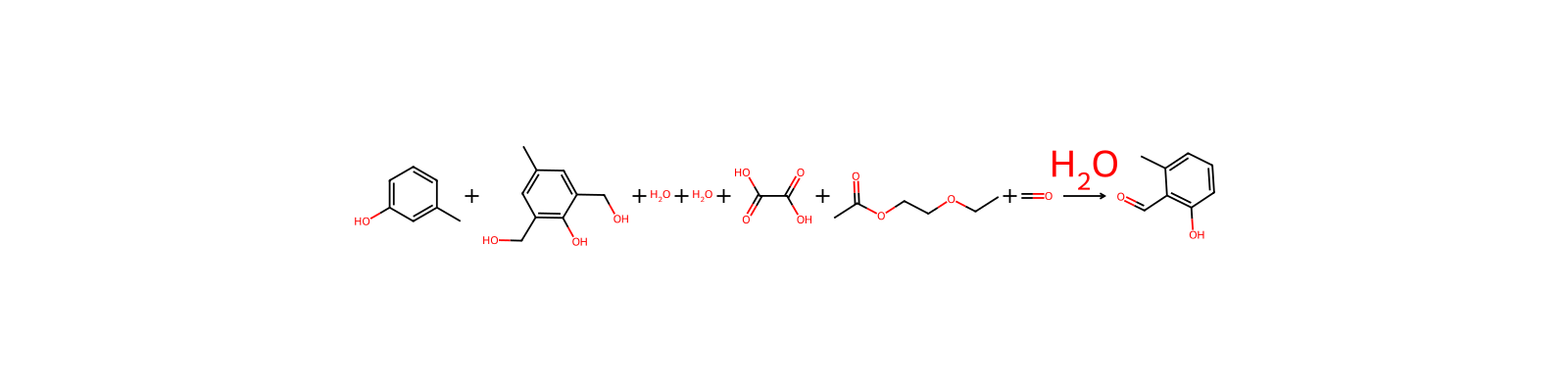
337 records





Compound notes
Loading…