
2-Propenoic acid, 3-phenyl-
Completing data — refresh the page later to see the latest

Basic information
- CAS
621-82-9- Standard SMILES
O=C(O)C=Cc1ccccc1- InChIKey
WBYWAXJHAXSJNI-UHFFFAOYSA-N- Molecular formula
- C9H8O2
- Average molar mass
- 148.16 g/mol
- Monoisotopic mass
- 148.0524295
Overview
(E/Z)-cinnamic acid has been reported in Camellia sinensis, Hoya crassipes, and other organisms with data available.
Names & identifiers
- Preferred name
- 2-Propenoic acid, 3-phenyl-
- IUPAC
- 3-phenylprop-2-enoic acid
- English name
- Cinnamic acid
- Molecular formula
- C9H8O2
- Molecular weight
- 148.16
Names & synonyms
2-Propenoic acid, 3-phenyl-3-Phenyl-2-propenoic acidRefChem:89283BenzalaceticacidNSC 9189.beta.-Phenylacrylic acid3-Phenylacrylic acid; beta-Phenylacrylic acidCINNAMATE SODIUMcinnamoic acidcinnamoyl alcohol3-Phenyl-2-propenoic Acid; 3-Phenylacrylic Acid; NSC 623441; NSC 9189; Phenylacrylic Acid; ss-Phenylacrylic AcidZimtsaeure [German]
Show more names
cinnamicPhenylacrylic acid3-PHENYLPROPENOIC ACID3-PHENYLACRYLIC ACIDCINNAMIC ACID, TRANS-ZimtsaeureFEMA 2288AKOS B004228Cinnamyl AcidCinnamic acid(only trans)
(E/Z)-cinnamic acidStyrene Carboxylic AcidCinnamic acid (natural)Kyselina skoricove [Czech]SCHEMBL1333SCHEMBL410113orb1301623SCHEMBL1267986
Database identifiers
- CAS
621-82-9- PubChem CID
- 8784
- DTXSID
DTXSID40110056
Properties
Computed structural propertiesFilling in
- XLogP
- 2.1
- Topological polar surface area
- 37.3 Ų
- Hydrogen bond donors
- 1
- Hydrogen bond acceptors
- 2
- Rotatable bonds
- 2
- Heavy atoms
- 11
- Formal charge
- 0
- Complexity
- 155
Experimental & physicochemical properties
LogP2.37
Solubility
insoluble in water; soluble in oils
slightly soluble (in ethanol)
Endocrine DisruptorsPotential endocrine disrupting compound
Boiling Point300 °C
Physical DescriptionWhite crystalline scales, honey floral odour
Physicochemical properties
- Melting point
- 133 °C · 133 °C(lit.)
- Boiling point
- 300 °C · 300 °C(lit.)
- Density
- 1.2475 · 1.2475
- refractive index
- 1.5049 · 1.5049 (estimate)
- FEMA
- 2288 · 2288 | CINNAMIC ACID
- FLAVIS Number
- 8.022 · 08.022 | Cinnamic acid
- Flash point
- 230 °F · >230 °F
- storage temp.
- Sealed in dry,Room Temperature
- solubility
- Chloroform (Slightly), Methanol (Slightly)
- form
- Solid
- pka
- pK (25°) 4.46
- color
- White to Off-White
- PH
- 3.76 · 3.76(1 mM solution);3.23(10 mM solution);2.72(100 mM solution)
- Odor
- 100 % · at 100.00 %. balsam sweet storax
- Odor Type
- balsamic
- Water Solubility
- 511.2 mg/L · 511.2mg/L(25 ºC)
- JECFA Number
- 657 · 657
- Henry's Law Constant
- 5.8 · 5.8×102 mol/(m3Pa) at 25℃, Duchowicz et al. (2020)
- Stability
- Stable. Combustible. Incompatible with strong oxidizing agents.
- Cosmetics Ingredients Functions
- SKIN CONDITIONINGPERFUMING
- LogP
- 2.13 · 2.13
- CAS DataBase Reference
- 621 · 621-82-9(CAS DataBase Reference)
- Substances Added to Food (formerly EAFUS)
- CINNAMIC ACID
- FDA 21 CFR
- 172.515 · 172.515
- EWG's Food Scores
- 1 · 1
- FDA UNII
- 14 A832J8D · U14A832J8D
- NIST Chemistry Reference
- 2 · 2-Propenoic acid, 3-phenyl-(621-82-9)
- EPA Substance Registry System
- Cinnamic acid (621-82-9)
- Symbol(GHS)
- 7 · GHS07
- Signal word
- Warning
- Hazard statements
- 302 · H302-H315-H319-H335
- Precautionary statements
- 261 · P261-P305+P351+P338
- Hazard Codes
- Xi
- Risk Statements
- 36 · 36/37/38
- Safety Statements
- 26 · 26-36
- WGK Germany
- 1 · 1
- RTECS
- 7850000 · GD7850000
- TSCA
- TSCA listed
- Toxicity
- 50 · LD50 (g/kg): 3.57 orally in rats; >5.0 dermally in rabbits (Letizia)
Safety & regulation
Safety information is for reference only and does not replace the supplier’s Safety Data Sheet (SDS), applicable regulations, or professional assessment.
Hazard information
Regulatory Information
Chemical: 2-Propenoic acid, 3-phenyl-
Cinnamic acid: Does not have an individual approval but may be used under an appropriate group standard
Other Safety InformationIMAP assessments - Cinnamic acid: Human health tier II assessment
Safety data
- wgk
- 1
- tsca
- TSCA listed
- rtecs
- GD7850000
- Toxicity
- LD50 (g/kg): 3.57 orally in rats; >5.0 dermally in rabbits (Letizia)
- risk_code
- 36/37/38
- Signal word
- Warning
- Symbol(GHS)
- GHS07
- hazard_code
- Xi
- safety_code
- 26-36
- Hazard statements
- H302-H315-H319-H335
- Precautionary statements
- P261-P305+P351+P338
Chemistry & industry
Pharmacology
MeSH Pharmacological Classification
Agents that prevent BLOOD CLOTTING.
Fibrinolysin or agents that convert plasminogen to FIBRINOLYSIN.
Uses & manufacturing
Use ClassificationFlavoring Agents -> JECFA Flavorings Index
General Manufacturing Information2-Propenoic acid, 3-phenyl-: ACTIVE
Applications
UsesCinnamic acid is an important intermediate in the preparation of its esters, which are used as fragrances, for pharmaceuticals, and for the enzymatic production of l-phenylalanine, the starting material for peptide sweeteners. Sodium cinnamate is a known corrosion inhibitor. Cinnamic acid is also used as a brightener in cyanide-free zinc electroplating baths, a corrosion inhibitor during removal of scale from zinc and in aerosol cans, a low-toxicity heat stabilizer for poly(vinyl chloride) , a cross-linking agent for dimethyl terephthalate – ethylene glycol copolymer and polyurethanes, a fireproofing agent for polycaprolactam, in laundry-resistant polyurethane adhesives for polyester fibers, and for improvement of the storage stability of drying-oil-modified alkyd resin coatings.
DescriptionCinnamic acid is a white crystalline organic acid, which is slightly soluble in water. It is obtained from oil of cinnamon, or from balsams such as storax. It is also found in shea butter and is the best indication of its environmental history and post-extraction conditions. It can also be made synthetically. Cinnamic acid is used in flavors, synthetic indigo, and certain pharmaceuticals, though its primary use is in the manufacturing of the methyl, ethyl, and benzyl esters for the perfume industry. Cinnamic acid has a honey- like odor; it and its more volatile ethyl ester (ethyl cinnamate) are flavor components in the essential oil of cinnamon, in which related cinnamaldehyde is the major constituent. Cinnamic acid is also part of the biosynthetic shikimate and phenyl propanoid pathways. Its biosynthesis is performed by action of the enzyme phenylalanine ammonia - lyase (PAL) on phenylalanine. Cinnamic acid is freely soluble in benzene, diethyl ether, acetone, and it is insoluble in hexane. Cinnamic acid is also a kind of self-inhibitor produced by fungal spore to prevent germination.
OccurrenceThe trans- form has been found among the constituents of the essential oils of basil, Chinese cinnamon, Melaleuca bracteata, Alpinia galanga. It is reported found in Peru balsam, Asian and American storax and cocoa leaves. Also reported found in strawberry fruit, beer, cognac, starfruit (Averrhoa carambola L) and loquat. The cis- form is present in the oil of Alpinia malacensis.
Usesfragrance & flavoring agent, antidiabetic
Usescinnamic acid has sunscreen capabilities. Some manufacturers use it to replace PABA because of its lower allergic and phototoxic reaction incidence. Cinnamic acid is found in cinnamon leaves and cocoa leaves, and is an essential oil of certain mushrooms. It may cause allergic skin rashes.
UsesCinnamic Acid is a flavoring agent that consists of crystalline scales, white in color, with an odor resembling honey and flowers. it is slightly soluble in water, soluble in alcohol, chloroform, acetic acid, acetone, benzene, and most oils, and alkali salts soluble in water. it is obtained by chemical synthesis. it is also termed 3-phenylpro- penoic acid.
Preparation methods
PreparationCinnamic acid is also produced by Knoevenagel condensation of benzaldehyde with malonic acid in the presence of weakly basic catalysts, such as ammonia and amines. Reflux together 10ml of benzaldehyde with 10gm of malonic acid and 40ml of 8% ethanolic ammonia solution placed in a 100ml round bottom flask fitted with a reflux condensor on water bath till a clear solution is obtained (about 8-10hours). Set the assembly for downward distillation and distill off the excess alcohol. Continue heating the residual oily portion until the evolution of carbon dioxide ceases. Dissolve the residue in 20ml water, cool and add dilute hydrochloric acid till acidic. Collect the precipitated unsaturated acid on buchner funnel,wash with cold water. Recrystallise from hot water and collect crystals of cinnamic acid, m.p 132°C. Synthesis of cinnamic acid from benzaldehyde
PreparationTwo isomers, trans- and cis- exist; the trans-isomer is of interest for use in flavoring; in addition to the extraction from natural sources (storax), it can be prepared as follows: (1) from benzaldehyde, anhydrous sodium acetate and acetic anhydride in the presence of pyridine (Perkin reaction); (2) from benzaldehyde and ethyl acetate (Claisen condensation); (3) from benzaldehyde and acetylene chloride; (4) by oxidation of benzylidene acetone with sodium hypochlorite.
Upstream & downstream products
Upstream raw materials
Downstream products
Additional notes
DefinitionChEBI: A monocarboxylic acid that consists of acrylic acid bearing a phenyl substituent at the 3-position. It is found in Cinnamomum cassia.
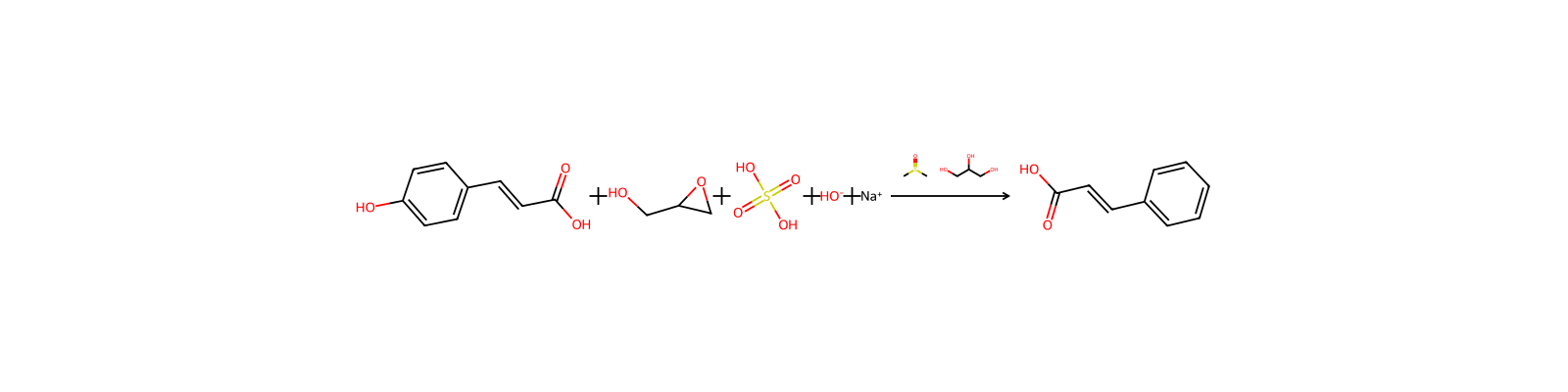
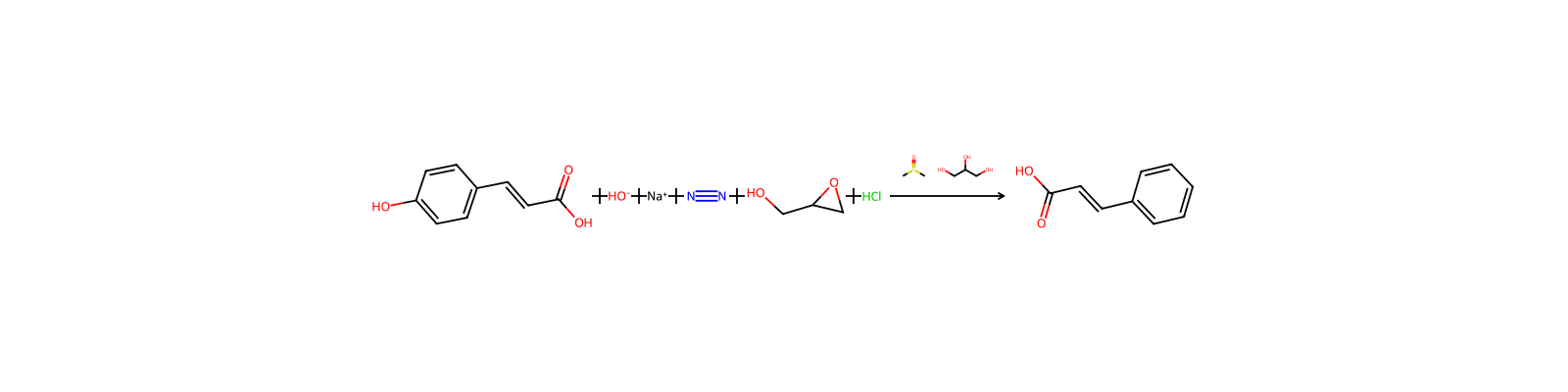
Related reactions
233 records




Compound notes
Loading…