Reaction equation

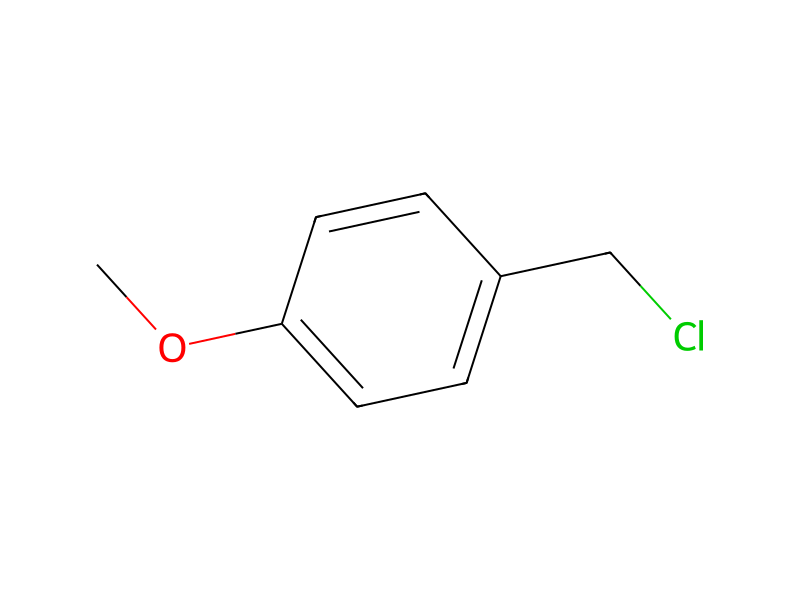
[Br:1][C:2]1[C:3]([CH3:12])=[C:4]([N+:9]([O-:11])=[O:10])[C:5](=[O:8])[NH:6][CH:7]=1.[H-].[Na+].[CH3:15][O:16][C:17]1[CH:24]=[CH:23][C:20]([CH2:21]Cl)=[CH:19][CH:18]=1.C(OCC)(=O)C>CN(C=O)C>[CH3:15][O:16][C:17]1[CH:24]=[CH:23][C:20]([CH2:21][N:6]2[CH:7]=[C:2]([Br:1])[C:3]([CH3:12])=[C:4]([N+:9]([O-:11])=[O:10])[C:5]2=[O:8])=[CH:19][CH:18]=1Participants
6





Procedure
To a stirred solution of 5-bromo-4-methyl-3-nitro-2-pyridone (0.60 g, 2.5 mmol) in DMF (15 mL) was added sodium hydride (60% suspension in oil, 0.103 g). After 30 minutes, 4-methoxybenzyl chloride (0.35 mL) was added, and the mixture was stirred overnight at rt. Ethyl acetate was added and the organic phase was washed with water, dried (Na2SO4), filtered and evaporated. Chromatography of the residue over silica gel (ethyl acetate/hexane 1/1) gave 1-(4-methoxybenzyl)-5-bromo-4-methyl-3-nitro-2-pyridone (0.60 g, 1.7 mmol, 68%).
Workup
- washthe organic phase was washed with water
- dry with materialdried (Na2SO4)
- filtrationfiltered
- customevaporated
Sources & evidence
- ORD record
- ord-3f4e5e9441024e23af003f648c90ef2f
- Source dataset
- uspto-grants-2000_04
- Patent number
- US06054470
Linked notes
Loading…