HomeMCPWorkbenchSkills
HomeWorkbenchNotificationsMe
llms.txt · MCP GuidePrivacy Policy · Terms of Service · Supportv1.8.0
  1. Home
  2. /Reaction

Water → 7-Benzyloxy-6-cyano-4-(1H-indol-5-yloxy)quinoline

HRID 1010261
Notes
Print preview

Reaction equation

HRID 1010261 reaction equation
[CH2:1]([O:8][C:9]1[CH:18]=[C:17]2[C:12]([C:13](Cl)=[CH:14][CH:15]=[N:16]2)=[CH:11][C:10]=1[C:20]#[N:21])[C:2]1[CH:7]=[CH:6][CH:5]=[CH:4][CH:3]=1.[OH:22][C:23]1[CH:24]=[C:25]2[C:29](=[CH:30][CH:31]=1)[NH:28][CH:27]=[CH:26]2.C(N(C(C)C)CC)(C)C.O>CN1CCCC1=O.O1CCCC1>[CH2:1]([O:8][C:9]1[CH:18]=[C:17]2[C:12]([C:13]([O:22][C:23]3[CH:24]=[C:25]4[C:29](=[CH:30][CH:31]=3)[NH:28][CH:27]=[CH:26]4)=[CH:14][CH:15]=[N:16]2)=[CH:11][C:10]=1[C:20]#[N:21])[C:2]1[CH:7]=[CH:6][CH:5]=[CH:4][CH:3]=1
ParticipantsConditionsProcedureWorkupSources & evidenceReaction notes

Participants

7

Reactant 4

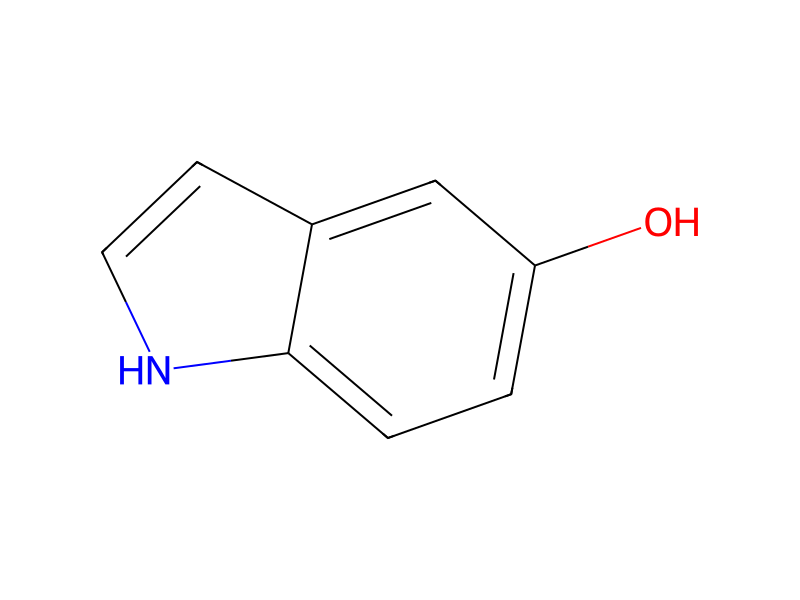
HCID 962WaterHCID 160545-HydroxyindoleHCID 81531DiisopropylethylamineHCID 226465197-Benzyloxy-4-chloro-6-cyanoquinoline

Product 1

HCID 229364817-Benzyloxy-6-cyano-4-(1H-indol-5-yloxy)quinolineYield 40.92%

Reagents, catalysts & solvents 2

HCID 8028
Tetrahydrofuran
Solvent
HCID 13387N-methyl-2-pyrrolidoneSolvent

Conditions

Temperature
150 °C

Procedure

After suspending 7-benzyloxy-6-cyano-4-chloroquinoline (23 g, 78.03 mmol) in N-methylpyrrolidone (15.8 ml), there were added 5-hydroxyindole (12.5 g, 83.64 mmol) and diisopropylethylamine (15.8 ml) and the mixture was heated and stirred at 150° C. for 10 hours. After allowing it to cool to room temperature, water and tetrahydrofuran were added and the crystals were thoroughly dissolved. After extraction with tetrahydrofuran, washing with saturated brine, drying over anhydrous magnesium sulfate and distilling off of the solvent, the residue was adsorbed onto silica gel. Purification was performed by silica gel column chromatography (hexane/tetrahydrofuran system), and then concentrated hydrochloric acid (0.2 ml) was added at room temperature and the mixture was stirred for 17 hours. The solvent was distilled off under reduced pressure, saturated sodium bicarnobate water was added, and then extraction was performed with a tetrahydrofuran and ethyl acetate mixed solvent, the extract was washed with saturated brine and dried over anhydrous magnesium sulfate, and the solvent was distilled off under reduced pressure. The obtained crystals were suspended in ethyl acetate and diluted with diethyl ether and hexane. The crystals were filtered out, washed with diethyl ether/hexane and dried by aspiration to obtain the title compound (12.5 g, 31.93 mmol, 40.92%) as light yellow crystals.


Workup

  1. temperaturethe mixture was heated
  2. temperatureto cool to room temperature
  3. dissolutionthe crystals were thoroughly dissolved
  4. extractionAfter extraction with tetrahydrofuran
  5. washwashing with saturated brine
  6. dry with materialdrying over anhydrous magnesium sulfate
  7. distillationdistilling off of the solvent
  8. customPurification
  9. additionconcentrated hydrochloric acid (0.2 ml) was added at room temperature
  10. stirringthe mixture was stirred for 17 hours
  11. distillationThe solvent was distilled off under reduced pressure, saturated sodium bicarnobate water
  12. additionwas added
  13. extractionextraction
  14. washthe extract was washed with saturated brine
  15. dry with materialdried over anhydrous magnesium sulfate
  16. distillationthe solvent was distilled off under reduced pressure
  17. additiondiluted with diethyl ether and hexane
  18. filtrationThe crystals were filtered out
  19. washwashed with diethyl ether/hexane
  20. customdried by aspiration

Sources & evidence

ORD record
ord-3c872c13f2bb463cb80a10366eca6ae1
Source dataset
uspto-grants-2011_07
DOI
10.6084/m9.figshare.5104873.v1
Patent number
US07973160B2

Reaction notes

Loading…

On this pageParticipantsConditionsProcedureWorkupSources & evidenceReaction notes