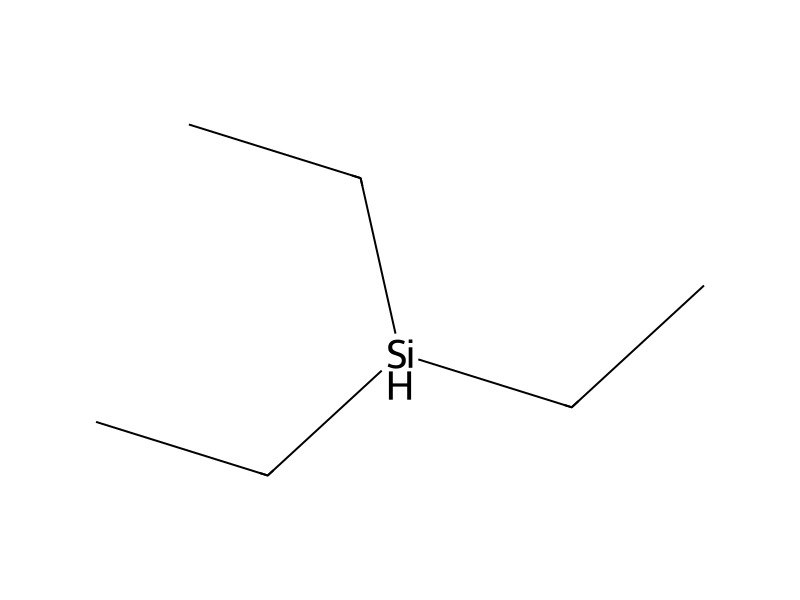
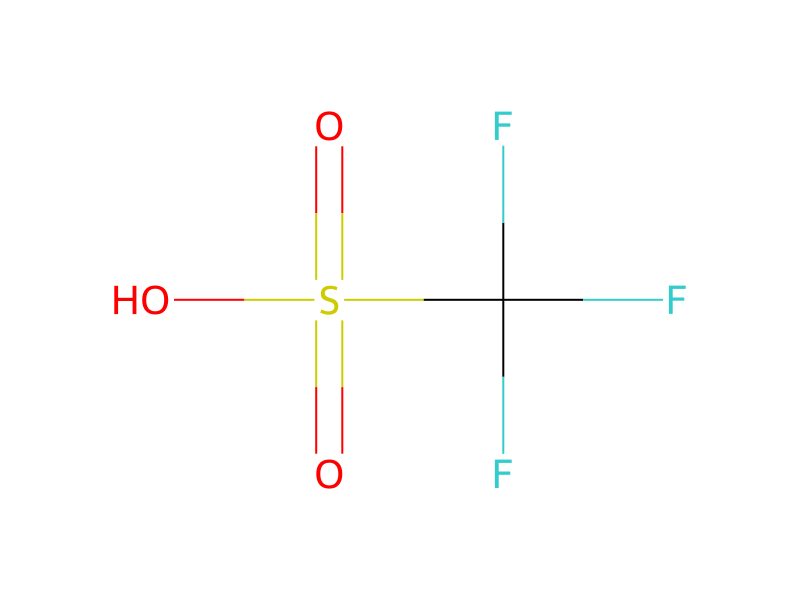
(Note: This reaction was done in 5 lit. R. B. flask). To a stirred solution of (2-bromo-5-iodo-phenyl)-(2,3-dihydro-benzo[1,4]dioxin-6-yl)-methanone (180 g, 404.49 mmol) in trifluoroacetic acid (600 ml) was added triethylsilane (386.5 ml, 2426.9 mmol) followed by triflic acid (2.3 ml) at room temperature (note: after addition of 1 drop of triflic acid exotherm was observed so addition was done very slowly in such a way that reaction mixture refluxed gently). After stirring for 25 min at room temperature, volatiles were evaporated under reduced pressure. The resulting residue was taken in ethyl acetate (1500 ml) and washed with saturated aqueous sodium bicarbonate solution (1000 ml×2), water (1000 ml), brine (1000 ml), dried over sodium sulfate, and concentrated. The resulting residue was triturated with hexane. The residue was recrystallized from ethanol to give 147 g of 6-(2-bromo-5-iodo-benzyl)-2,3-dihydro-benzo[1,4]dioxine.