HomeMCPSkillsWorkbenchOpenChem
HomeWorkbenchNotificationsMe
llms.txt · skill.md · MCP GuidePrivacy Policy · Terms of Service · Supportv1.8.5
  1. Home
  2. /Reaction

Hydrochloric Acid → HCID 50995872, compound

HRID 1026567
Print

Reaction equation

[Cl:1][C:2]1[CH:11]=[C:10]2[C:5]([CH2:6][C:7]([CH3:41])([CH3:40])[C:8](=[O:39])[N:9]2[CH:12]2[CH2:17][CH2:16][N:15]([C:18]([C:20]3[CH:25]=[CH:24][C:23]([C:26]4[CH:31]=[CH:30][CH:29]=[CH:28][C:27]=4[O:32][C@H:33]([CH3:37])[CH2:34][CH2:35][OH:36])=[CH:22][C:21]=3[F:38])=[O:19])[CH2:14][CH2:13]2)=[N:4][CH:3]=1.[Br-].[K+].Cl[O-].[Na+].Cl.Cl([O-])=[O:49].[Na+]>C(OCC)(=O)C.O>[Cl:1][C:2]1[CH:11]=[C:10]2[C:5]([CH2:6][C:7]([CH3:40])([CH3:41])[C:8](=[O:39])[N:9]2[CH:12]2[CH2:13][CH2:14][N:15]([C:18]([C:20]3[CH:25]=[CH:24][C:23]([C:26]4[CH:31]=[CH:30][CH:29]=[CH:28][C:27]=4[O:32][C@H:33]([CH3:37])[CH2:34][C:35]([OH:49])=[O:36])=[CH:22][C:21]=3[F:38])=[O:19])[CH2:16][CH2:17]2)=[N:4][CH:3]=1
ParticipantsProcedureWorkupSources & evidenceReaction notes

Participants

8

Reactant 5

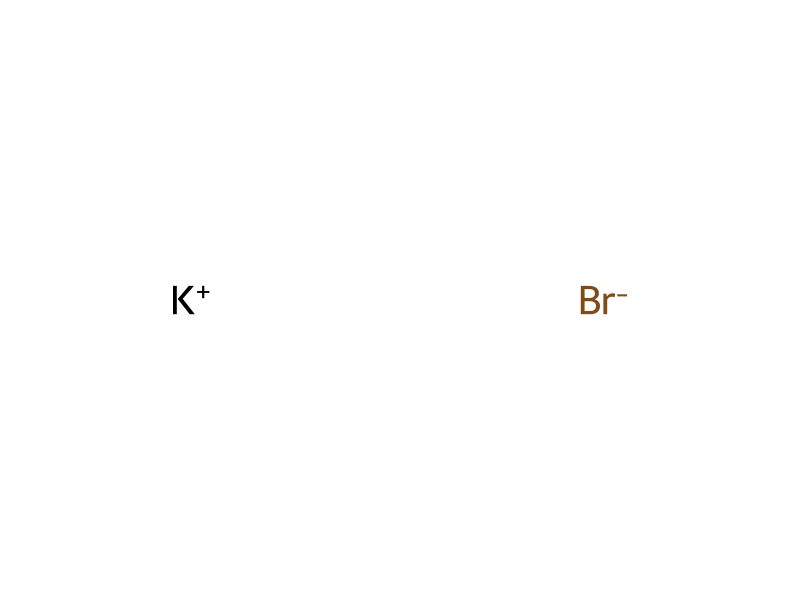
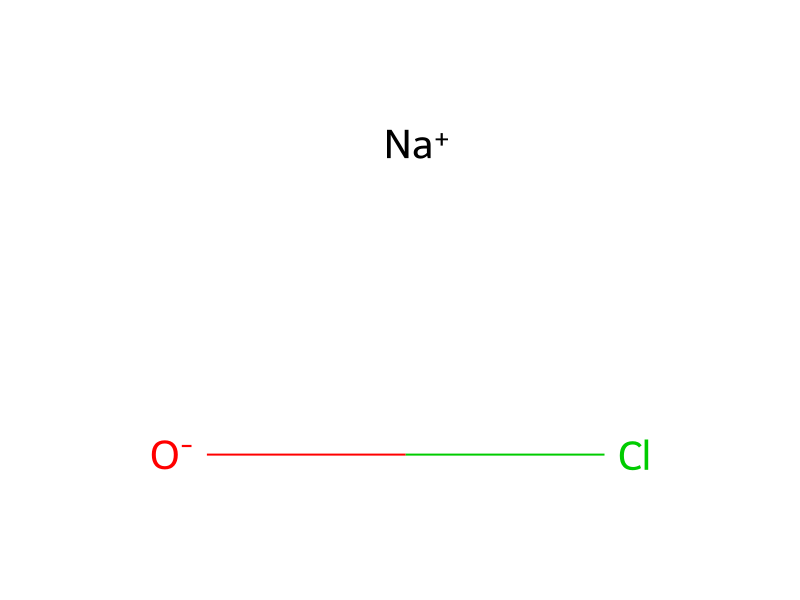
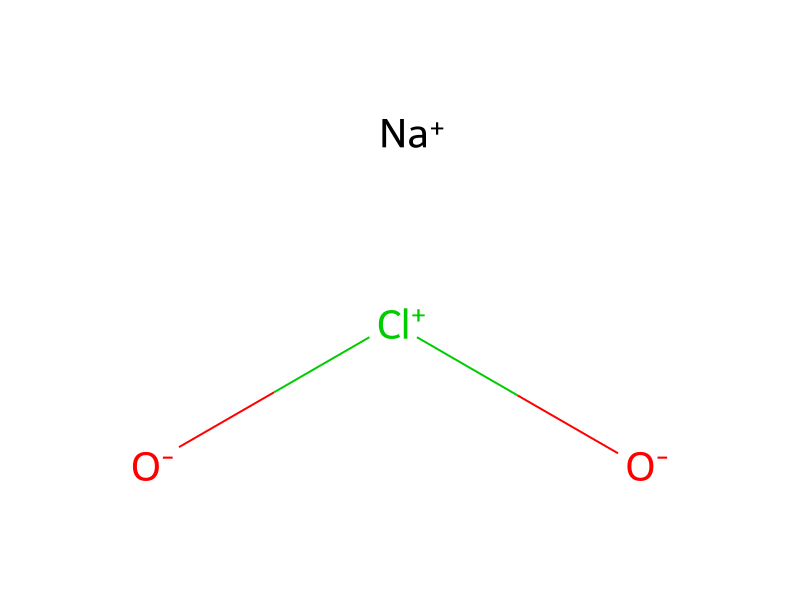
HCID 313Hydrochloric AcidHCID 253877Potassium BromideHCID 23665760Sodium HypochloriteHCID 23668197Sodium ChloriteHCID 683151677-chloro-1-{1-[(3-fluoro-2'-{[(1R)-3-hydroxy-1-methylpropyl]oxy}biphenyl-4-yl)carbonyl]piperidin-4-yl}-3,3-dimethyl-3,4-dihydro-1,5-naphthyridin-2(1H)-one

Product 1

HCID 50995872
HCID 50995872, compound
Yield 66.6%

Reagents, catalysts & solvents 2

HCID 962WaterSolvent2×HCID 8857Ethyl AcetateSolvent

Procedure

Under ice cooling, to a mixed solvent solution of 7-chloro-1-{1-[(3-fluoro-2′-{[(1R)-3-hydroxy-1-methylpropyl]oxy}biphenyl-4-yl)carbonyl]piperidin-4-yl}-3,3-dimethyl-3,4-dihydro-1,5-naphthyridin-2(1H)-one (296 mg) in ethyl acetate (6 ml) and water (2 ml) were added 2,2,6,6-tetramethyl-1-piperidyloxy radical (4.0 mg) and potassium bromide (60.7 mg). To this was added dropwise a 5% aqueous sodium hypochlorite solution (0.812 ml), followed by stirring for 1 hour. 1 N hydrochloric acid was added to adjust the pH to around 4, and then 79% sodium chlorite (73.0 mg) was added, and stirred at room temperature for 3 hours. To the reaction solution were added water, a saturated aqueous sodium sulfite solution and a 10% aqueous citric acid solution, followed by extraction with dichloromethane. The organic layer was washed with saturated sodium chloride solution, dried over anhydrous sodium sulfate, and concentrated under reduced pressure. The resulting residue was purified by silica gel column chromatography to afford (3R)-3-[(4′-{[4-(7-chloro-3,3-dimethyl-2-oxo-3,4-dihydro-1,5-naphthyridin-1(2H)-yl)piperidin-1-yl]carbonyl}-3′-fluorobiphenyl-2-yl)oxy]butanoic acid (202 mg).

Workup

  1. stirringstirred at room temperature for 3 hours
  2. extractiona saturated aqueous sodium sulfite solution and a 10% aqueous citric acid solution, followed by extraction with dichloromethane
  3. washThe organic layer was washed with saturated sodium chloride solution
  4. dry with materialdried over anhydrous sodium sulfate
  5. concentrationconcentrated under reduced pressure
  6. customThe resulting residue was purified by silica gel column chromatography

Sources & evidence

ORD record
ord-0a39a37f893a4e02b5c8eb21dd025fe8
Source dataset
uspto-grants-2014_05
DOI
10.6084/m9.figshare.5104873.v1
Patent number
US08729095B2

Reaction notes

On this pageParticipantsProcedureWorkupSources & evidenceReaction notes