HomeMCPWorkbenchSkills
HomeWorkbenchNotificationsMe
llms.txt · MCP GuidePrivacy Policy · Terms of Service · Supportv1.8.3
  1. Home
  2. /Reaction

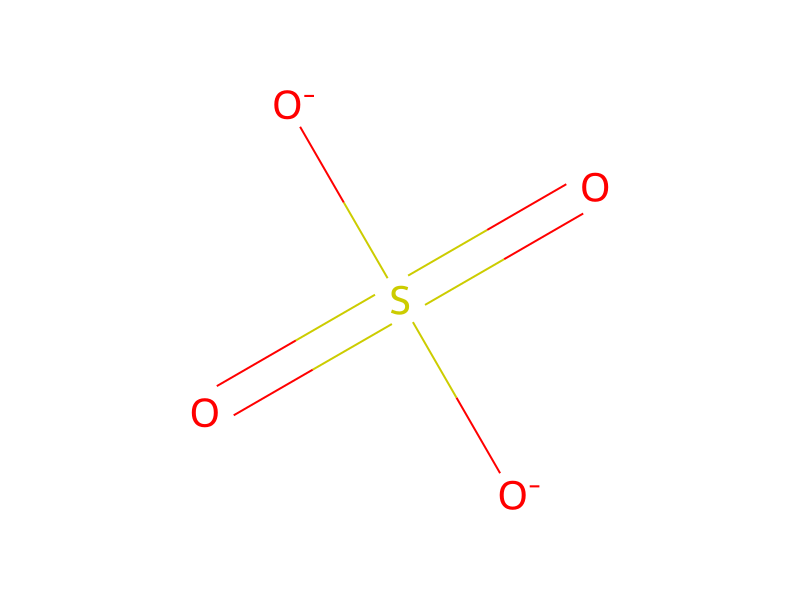
Barium nitrate → Sulfate Ion

HRID 1031401
Print

Reaction equation

HRID 1031401 reaction equation
[S:1]([OH:5])([OH:4])(=[O:3])=[O:2].[NH2:6][OH:7].[Na].[Ca].[N+:10]([O-:13])([O-:12])=[O:11].[Ba+2].[N+:15]([O-])([O-])=[O:16].[Cl:19]([O-:23])(=[O:22])(=[O:21])=[O:20]>>[S:1]([O-:5])([O-:4])(=[O:3])=[O:2].[N+:10]([O-:13])([OH:12])=[O:11].[NH2:15][OH:16].[Cl:19]([OH:23])(=[O:22])(=[O:21])=[O:20].[NH2:6][OH:7]
ParticipantsProcedureSources & evidenceReaction notes

Participants

8

Reactant 5

HCID 24798Barium nitrateHCID 123351PerchlorateHCID 159255Hydroxylamine, sulfate (1:1)HCID 5360545SodiumHCID 5460341Calcium

Product 3

HCID 1117Sulfate Ion
HCID 167307
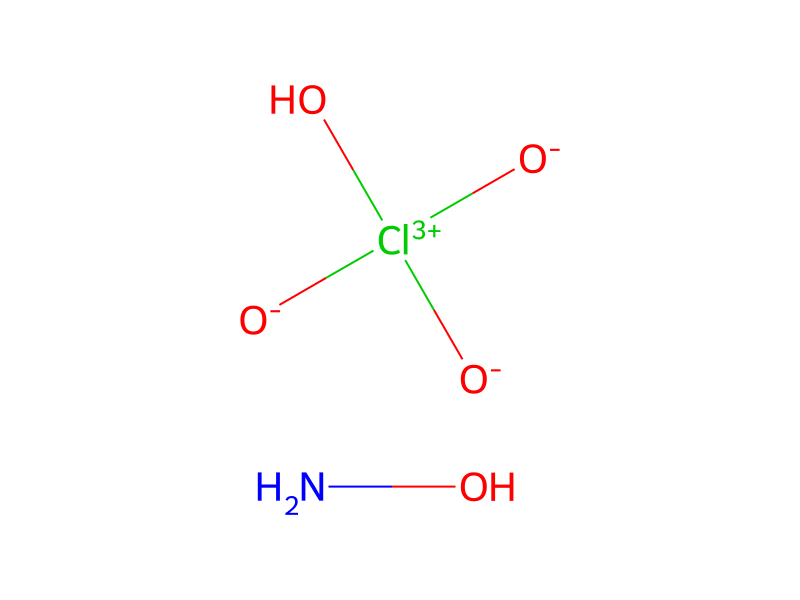
Hydroxylamine, perchlorate (1:1)
HCID 10129901Hydroxylammonium nitrate

Procedure

In the aqueous precipitation process, a saturated aqueous solution of hydroxylamine sulfate is combined with a saturated aqueous solution of sodium, calcium or barium nitrate or perchlorate. These reactions result in the formation of a very difficult-to-filter sulfate precipitate and of an aqueous solution of either hydroxylamine nitrate (HAN) or hydroxylamine perchlorate (HAP). In the case of HAN, the concentration is about 15%. Since most of the useful concentrations of these oxidizers are in the 50 to 85% range water has to be removed by the costly process of distillation. Because the sulfate is difficult to precipitate, residual metal contaminants are present in high concentrations in the final product.

Sources & evidence

ORD record
ord-a429a5b3425a4bd4bba7641e67b534bd
Source dataset
uspto-grants-1990_09
DOI
10.6084/m9.figshare.5104873.v1
Patent number
US04954328

Reaction notes

On this pageParticipantsProcedureSources & evidenceReaction notes