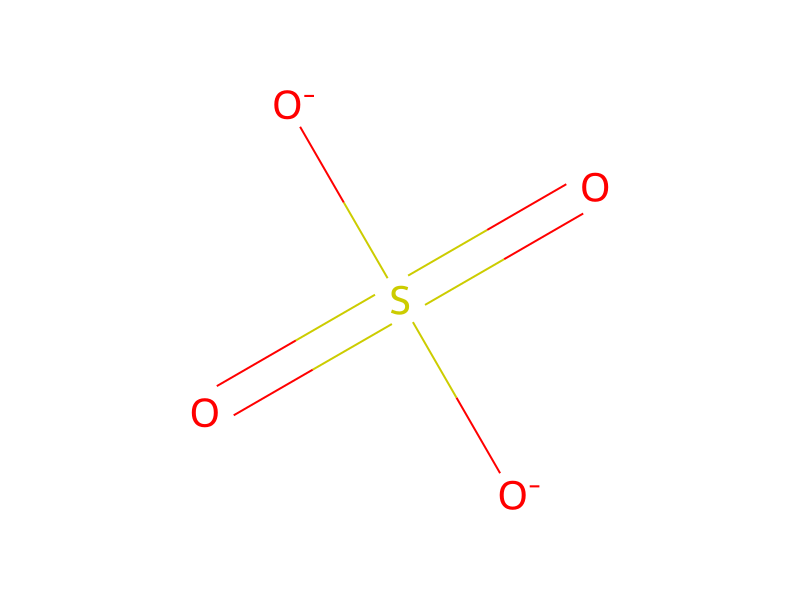
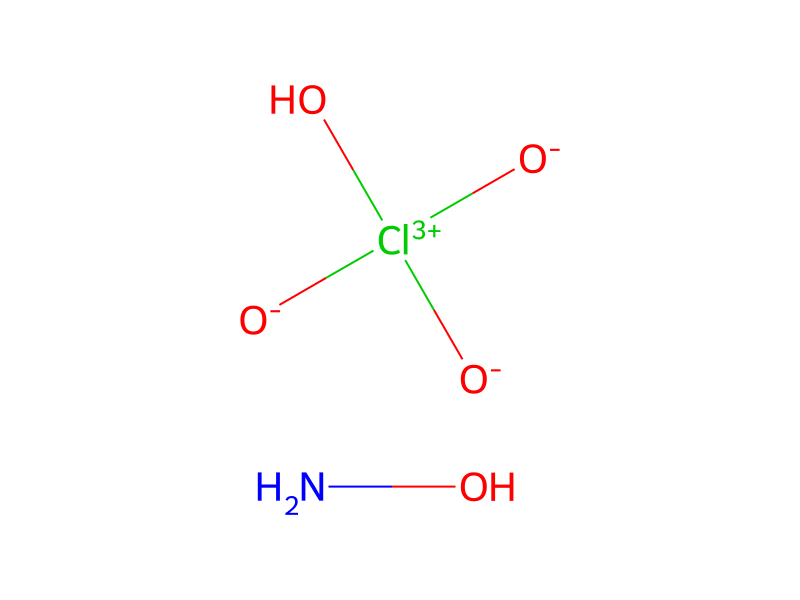
[S:1]([OH:5])([OH:4])(=[O:3])=[O:2].[NH2:6][OH:7].[Na].[Ca].[N+:10]([O-:13])([O-:12])=[O:11].[Ba+2].[N+:15]([O-])([O-])=[O:16].[Cl:19]([O-:23])(=[O:22])(=[O:21])=[O:20]>>[S:1]([O-:5])([O-:4])(=[O:3])=[O:2].[N+:10]([O-:13])([OH:12])=[O:11].[NH2:15][OH:16].[Cl:19]([OH:23])(=[O:22])(=[O:21])=[O:20].[NH2:6][OH:7]In the aqueous precipitation process a saturated aqueous solution of hydroxylamine sulfate is combined with a saturated aqueous solution of sodium, calcium or barium nitrate or perchlorate. These reactions result in the formation of a very difficult-to-filter sulfate precipitate and of an aqueous solution of either hydroxylamine nitrate (HAN) or hydroxylamine perchlorate (HAP). In the case of HAN the concentration is about 15%. Since most of the useful concentrations of these oxidizers are in the 50 to 85% range, water has to be removed by the costly process of distillation. Because the sulfate is difficult to precipitate, residual metal contaminants are present in high concentrations in the final product.