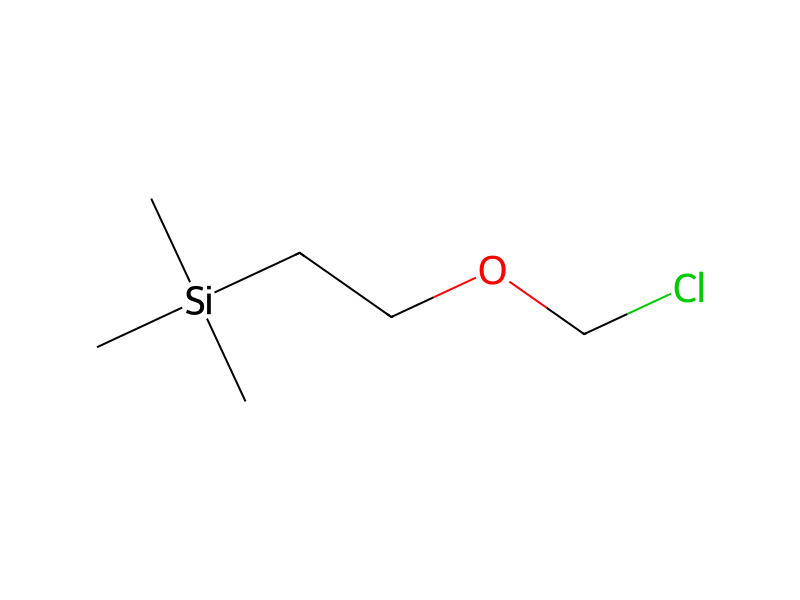
To a cooled solution of 2-t-butyl-4,5-dibromoimidazole (1.4 grams, 5.0 mmol; Example 5, Step 2) in dry THF (10 mL) at 0° C. was added sodium hydride (95%, 0.15 grams, 6.0 mmol) portion wise. The reaction mixture was stirred for 10 minutes at 0° C., at room temperature for 40 minutes. The reaction was re-cooled to 0° C. and SEM-chloride (0.97 ml, 5.5 mmol) was added in dropwise. The reaction mixture was stirred overnight allowing the ice bath to expire and poured into a mixture of water (30 mL) and EtOAc (50 mL). The resulting layers were partitioned and separated. The organic portion was washed with brine, then water, dried (Na2SO4), and concentrated. The remaining residue was purified by flash chromatography (SiO2, 0-10% EtOAc in hexanes) to provide 2.1 g of 4,5-dibromo-2-tert-butyl-1-((2-(trimethylsilyl)ethoxy)methyl)-1H-imidazole: LCMS (m/z): 412.9 (MH+), tR=1.320 minutes; 1H NMR (400 MHz, CDCl3) δ 8.75 (dd, 1H,), 7.92 (dd, 1H,), 5.90 (s, 2H), 3.51 (m, 2H), 1.55 (s, 9H), 0.82 (m, 2H), 0.08 (s, 9H).