Reaction equation

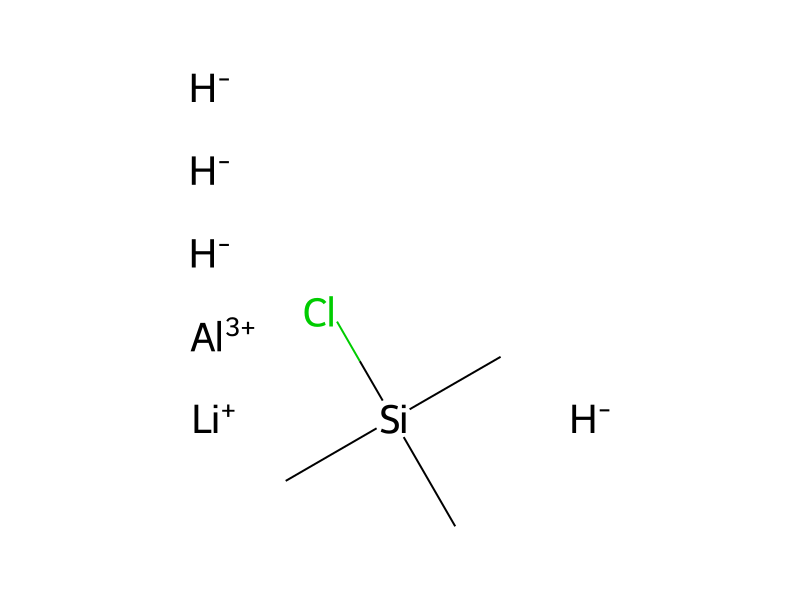
[CH:1]([C:4]1[CH:9]=[C:8]([CH:10]([CH3:12])[CH3:11])[CH:7]=[C:6]([CH:13]([CH3:15])[CH3:14])[C:5]=1[C:16]1[CH:21]=[CH:20][CH:19]=[CH:18][C:17]=1[PH:22](=O)OCC)([CH3:3])[CH3:2].[H-].[Al+3].[Li+].[H-].[H-].[H-].Cl[Si](C)(C)C.[PH2](=O)[O-].Cl>CCOC(C)=O.C1COCC1>[CH:1]([C:4]1[CH:9]=[C:8]([CH:10]([CH3:11])[CH3:12])[CH:7]=[C:6]([CH:13]([CH3:14])[CH3:15])[C:5]=1[C:16]1[CH:21]=[CH:20][CH:19]=[CH:18][C:17]=1[PH2:22])([CH3:2])[CH3:3]Participants
Reactant 4



Product 1

Reagents, catalysts & solvents 2


Conditions
- Temperature
- 0 °C
Procedure
A solution of ethyl 2′,4′,6′-triisopropylbiphenyl-2-ylphosphinate (17.5 g, 47.0 mmol, 1.0 equiv) in 100 mL of anhydrous, degassed THF was cooled to 0° C. under an atmosphere of nitrogen. The lithium aluminum hydride/chlorotrimethylsilane solution was transferred by cannula into the solution of phosphinate over 20 min. The reaction was allowed to proceed overnight with slow warming to 22° C. Prior to quench the mixture was cooled in an ice bath. The reaction was quenched by slow addition of EtOAc (23 mL, 235 mmol, 5 equiv), followed by aqueous hydrochloric acid (2 M, 250 mL, 500 mmol, 10.6 equiv). This mixture was allowed to stir for 1 h under an atmosphere of N2. This mixture was diluted with EtOAc (250 mL), the layers were separated and the organic layer was washed once with a saturated solution of NaCl (100 mL). The organic solution was concentrated in vacuo to give a white solid (23.0 g) which was 66% potent (w/w by HPLC), for a 99% yield. This material was used without further purification.
Workup
- temperaturewith slow warming to 22° C
- customPrior to quench the mixture
- temperaturewas cooled in an ice bath
- customthe layers were separated
- washthe organic layer was washed once with a saturated solution of NaCl (100 mL)
- concentrationThe organic solution was concentrated in vacuo
Sources & evidence
- ORD record
- ord-f70791f56bf64f4cb052691f1999c68f
- Source dataset
- uspto-grants-2016_07
- Patent number
- US09381508B2
Linked notes
Loading…