HomeMCPWorkbenchSkills
HomeWorkbenchNotificationsMe
llms.txt · MCP GuidePrivacy Policy · Terms of Service · Supportv1.8.0
  1. Home
  2. /Reaction

Lithium Carbonate → HCID 18671689, compound

HRID 1057620
Notes
Print preview

Reaction equation

HRID 1057620 reaction equation
C1C=C[NH+]=CC=1.Br[Br-]Br.[F:10][C:11]1[CH:12]=[CH:13][CH:14]=[C:15]2[C:23]=1[N:22]([CH2:24][C:25]1[CH:30]=[CH:29][C:28]([F:31])=[CH:27][CH:26]=1)[C:21]1[CH2:20][CH2:19][CH2:18][C:17](=[O:32])[C:16]2=1.[Br-].[Li+].C(=O)([O-])[O-].[Li+].[Li+]>C1COCC1.CN(C=O)C>[F:10][C:11]1[CH:12]=[CH:13][CH:14]=[C:15]2[C:23]=1[N:22]([CH2:24][C:25]1[CH:30]=[CH:29][C:28]([F:31])=[CH:27][CH:26]=1)[C:21]1[CH:20]=[CH:19][CH:18]=[C:17]([OH:32])[C:16]2=1
ParticipantsConditionsProcedureWorkupSources & evidenceReaction notes

Participants

6

Reactant 3

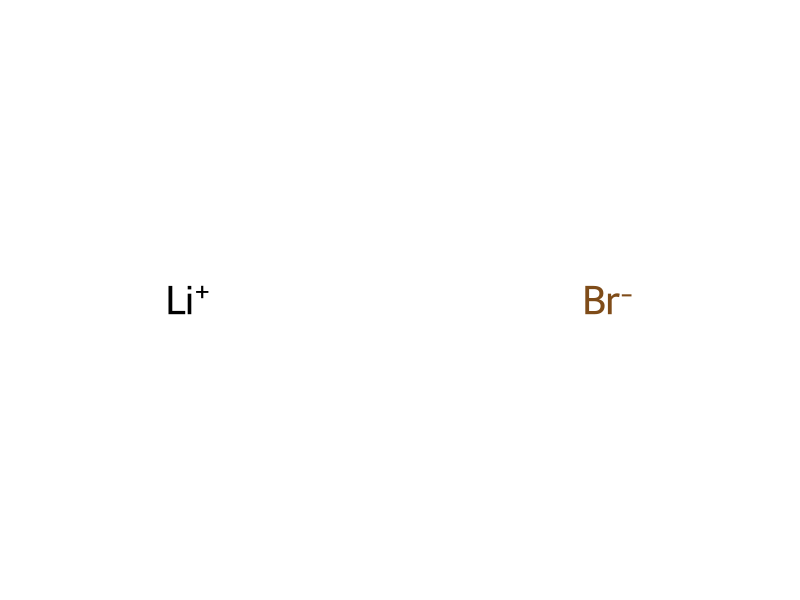
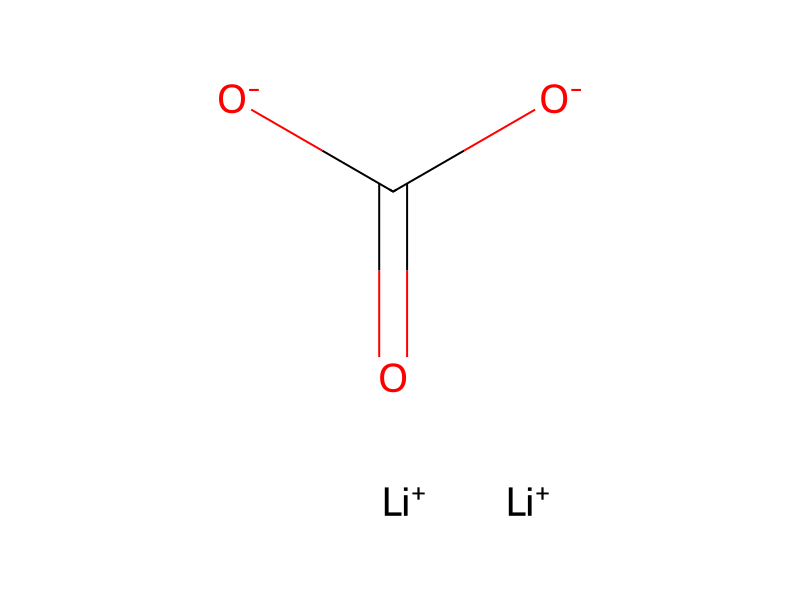
HCID 11125Lithium CarbonateHCID 82050Lithium BromideHCID 18671664HCID 18671664, compound

Product 1

HCID 18671689HCID 18671689, compoundYield 71%

Reagents, catalysts & solvents 2

HCID 6228DimethylformamideSolvent2×
HCID 8028
Tetrahydrofuran
Solvent

Conditions

Temperature
75 °C

Procedure

Pyridinium bromide perbromide (0.0.860 g, 0.27 mmol) is added to a solution of 8-fluoro-9-(4-fluorobenzyl)-1,2,3,9-tetrahydro-4H-carbazol-4-one in THF (0.5 mL) and DMF (0.5 mL) and the mixture is heated to 75° C. After stirring for 4.5 h, THF is removed under reduced pressure and the residue is partitioned between ethyl acetate and dilute brine. The combined organic layers are washed with dilute sodium sulfate/brine and the aqueous layer is backwashed with ethyl acetate. The combined organic layers are dried over magnesium sulfate and concentrated under reduced pressure to give a residue. A mixture of the resulting residue, lithium bromide (0.0428 g, 0.49 mmol), lithium carbonate (0.0311 g, 0.42 mmol) and DMF (1 mL) is heated at 120° C. for two hours. The mixture is partitioned between ethyl acetate and brine. The combined organic layers are dried over sodium sulfate and concentrated to an oil. The oil is chromatographed on silica gel (20 mL) using ethyl acetate/heptane (5/95 and 10/90) to give 0.0460 g (71%) of the title compound; MS (ESI−) for C19H13F2NO m/z 308.1 (M−H)−; IR (drift) 1580, 1508, 1461, 1434, 1329, 1274, 1242, 1235, 1221, 1157, 1129, 907, 788, 755, 732 cm−1; 1H NMR (CDCl3) δ5.37 5.64, 6.60, 6.94, 7.14, 7.28, 8.10. Anal. Calcd for C19H13F2NO: C, 73.78; H, 4.24; N, 4.53. Found: C, 72.52; H, 4.18; N, 4.37.

Workup

  1. customTHF is removed under reduced pressure
  2. customthe residue is partitioned between ethyl acetate and dilute brine
  3. washThe combined organic layers are washed with dilute sodium sulfate/brine
  4. dry with materialThe combined organic layers are dried over magnesium sulfate
  5. concentrationconcentrated under reduced pressure
  6. customto give a residue
  7. temperatureis heated at 120° C. for two hours
  8. customThe mixture is partitioned between ethyl acetate and brine
  9. dry with materialThe combined organic layers are dried over sodium sulfate
  10. concentrationconcentrated to an oil
  11. customThe oil is chromatographed on silica gel (20 mL)

Sources & evidence

ORD record
ord-dcccab7c36c84d07b597d984337022a5
Source dataset
uspto-grants-2003_02
DOI
10.6084/m9.figshare.5104873.v1
Patent number
US06514968B1

Reaction notes

Loading…

On this pageParticipantsConditionsProcedureWorkupSources & evidenceReaction notes