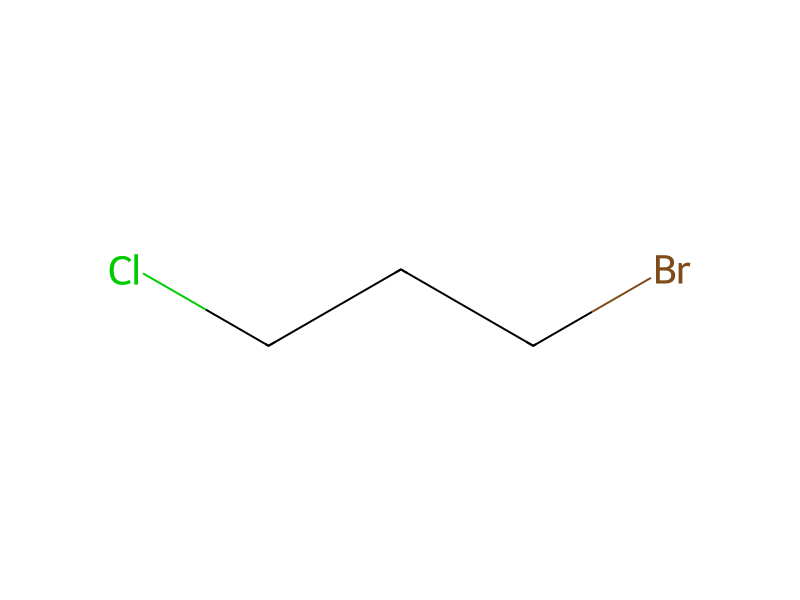
260 ml of 1-bromo-3-chloropropane were dissolved in 400 ml of acetone. 230 g of potassium carbonate were added to the solution. A solution of 115 ml of N-methyl-N-benzylamine in 115 ml of acetone was added dropwise to the reaction mixture with stirring at a bath temperature of 40° C., the addition being distributed over a period of 30 minutes. The reaction mixture was subsequently stirred at a temperature of 40° C. for 4 hours. The precipitated salts were then filtered out. The filtrate was concentrated under reduced pressure at a temperature of 40° C. The residue was acidified to a pH of 1 using 16% strength aqueous hydrochloric acid solution and was washed 3 times with tert-butyl methyl ether in order to remove unreacted 1-bromo-3-chloropropane. The aqueous phase was subsequently brought to a pH of 8 by addition of 16% strength sodium hydroxide solution and was extracted repeatedly with ethyl acetate. The combined ethyl acetate phases were dried with magnesium sulfate and concentrated. 71 g of 3-(N-benzyl-N-methyl-amino)-propyl chloride were obtained.