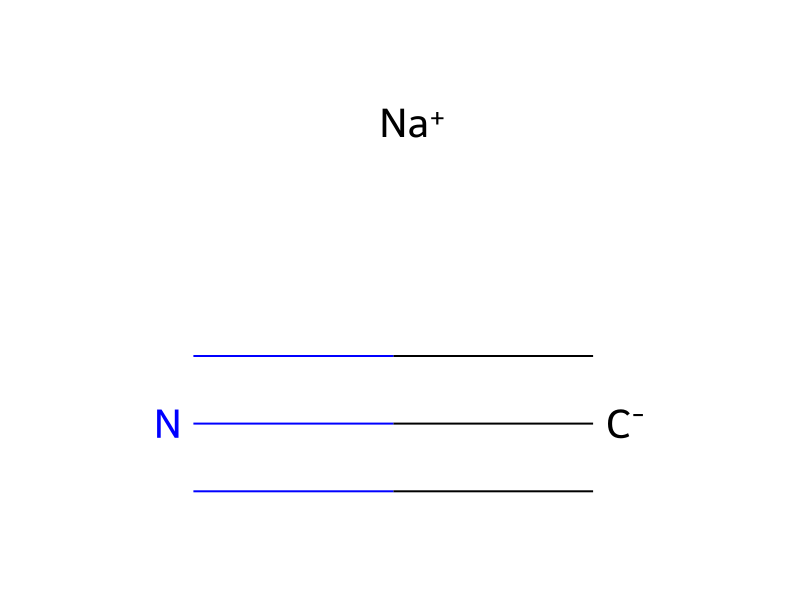
To a solution of 50.0 g (1.0 mol) of sodium cyanide, 53.5 g (1.0 mol) of ammonium chloride, and 60 mL of concentrated ammonium hydroxide in 400 mL of water was added 125 g (0.92 mol) of o-anisaldehyde in 400 aromatic C-C); of dry methanol. After the mixture was stirred for 3 h at 23° C., the methanol was removed under reduced pressure, and the residual solution containing the crude product was diluted with 500 mL of water and extracted with methylene chloride (2×400 mL), dried over sodium sulfate, and filtered; the solvent was subsequently removed under vacuum to give an orange oil. By means of column chromatography on silica gel using ethyl acetate as the eluent, the o-amino nitrile compound (A) was separated from the starting material and the side products; IR (neat) 2240 (w, --C≡N), 1600, 1500 cm1 (s, aromatic C=C); NMR (CDCL3) 1.03 (2 H, s, NH2), 3.90 (3 H, s, OCH3), 5.05 (1 H, s, CH), 7.15 (4 H m, ArH). The α-amino nitrile (yellow oil) was unstable as a free base; therefore it was either used immediately for the next reaction or converted to the tartarate salt.