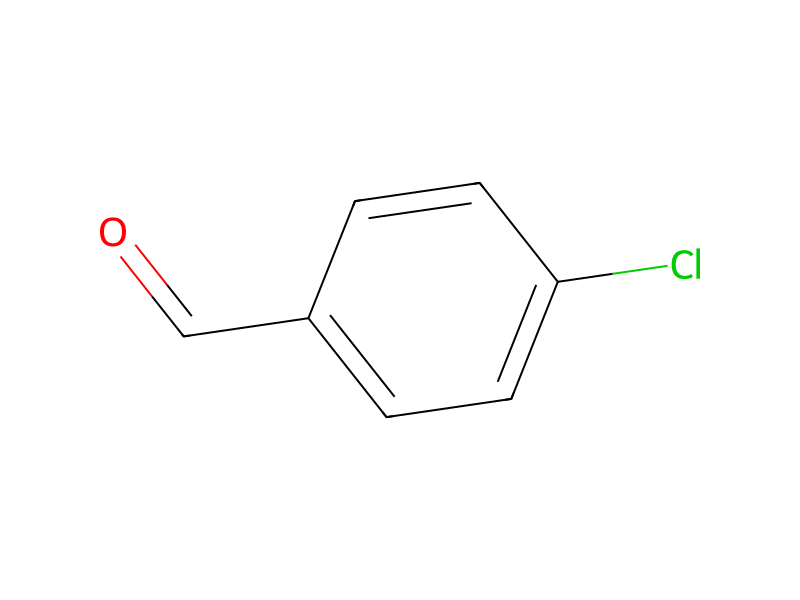
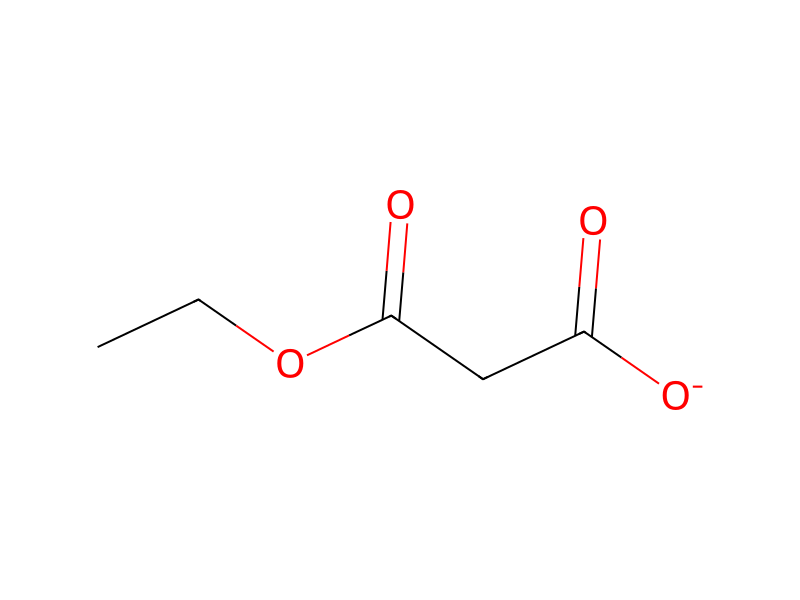
10 g (71.1 mmol) of 4-chlorobenzaldehyde, 9.40 g (71.1 mmol) of monoethyl malonate and 10.9 g (142.3 mmol) of ammonium acetate were taken up in 60 ml of ethanol, and the mixture was stirred at reflux temperature overnight. After cooling, 50 ml 1N hydrochloric acid were added to the residue and the mixture was washed with ethyl acetate. The aqueous phase was made basic with potassium carbonate and then extracted with dichloromethane (2×). The organic phase was dried with magnesium sulfate and the solvent was removed on a rotary evaporator. The residue was purified by preparative HPLC (mobile phase: acetonitrile/water, gradient 10:90→90:10). This gave 1.80 g (11% of theory) of the target compound.