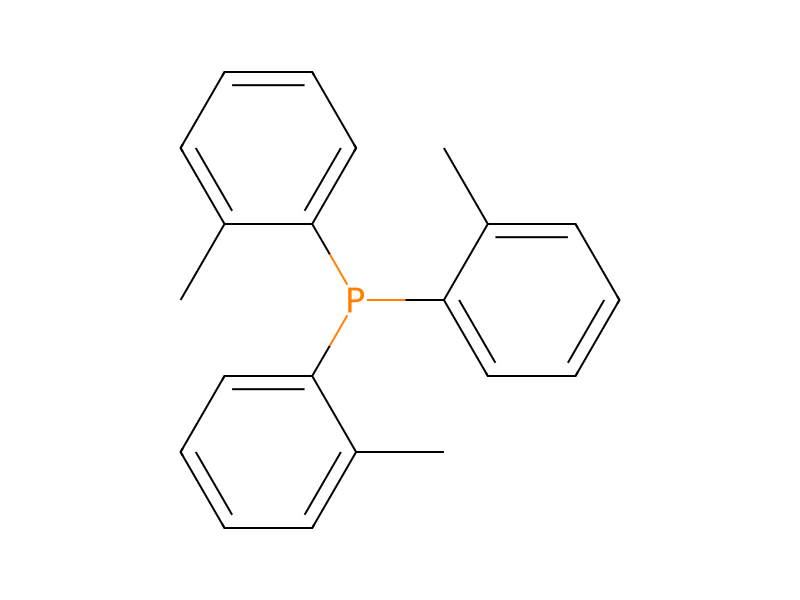
[CH:1]([C:3]1[NH:7][C:6]([C:8]([O:10][CH3:11])=[O:9])=[CH:5][CH:4]=1)=[CH2:2].[C:12]([NH:18][C:19]1[N:20]=[C:21]([OH:30])[C:22]2[CH:28]=[C:27](Br)[CH:26]=[N:25][C:23]=2[N:24]=1)(=[O:17])[C:13]([CH3:16])([CH3:15])[CH3:14].C1(C)C=CC=CC=1P(C1C=CC=CC=1C)C1C=CC=CC=1C.C(N(CC)CC)C>C(#N)C.C([O-])(=O)C.[Pd+2].C([O-])(=O)C>[C:12]([NH:18][C:19]1[N:20]=[C:21]([OH:30])[C:22]2[CH:28]=[C:27]([CH:2]=[CH:1][C:3]3[NH:7][C:6]([C:8]([O:10][CH3:11])=[O:9])=[CH:5][CH:4]=3)[CH:26]=[N:25][C:23]=2[N:24]=1)(=[O:17])[C:13]([CH3:16])([CH3:15])[CH3:14]A mixture of methyl 5-vinylpyrrole-2-carboxylate (298 mg, 2.0 mmol), 2-pivaloylamino4-hydroxy-6-bromopyrido[2,3-d]pyrimidine (683 mg, 2.1 mmol), palladium acetate (22.5 mg, 0.1 mmol), tri-o-tolylphosphine (60.9 mg, 0.2 mmol), and triethylamine (7.0 mL) in acetonitrile (20 mL) was heated overnight at reflux. The reaction mixture was cooled to room temperature, and the solid which formed collected by filtration, washed with cold acetonitrile, and dried to give methyl 5-[2-(2-pivaloylamino-4-hydroxypyrido[2,3-d]pyrimidin-6-yl)ethenyl]pyrrole-2-carboxylate as a yellow solid (706 mg, 89%). The product can be used in the next step without further purification. An analytical sample, mp >260° C., was obtained by recrystallization from methanol: 1H NMR (DMSO-d6) δ 12.28 (s, 1H), 12.08 (s, 1H), 11.40 (s, 1H), 8.93 (s, 1H), 8.40 (s, 1H), 7.36 (d, 1H, J=16.6 Hz), 7.27 (d, 1H, J=16.6 Hz), 6.81 (m, 1H), 6.48 (m, 1H), 3.76 (s, 3H), 1.23 (s, 9H).