HomeMCPWorkbenchSkills
HomeWorkbenchNotificationsMe
llms.txt · MCP GuidePrivacy Policy · Terms of Service · Supportv1.8.0
  1. Home
  2. /Reaction

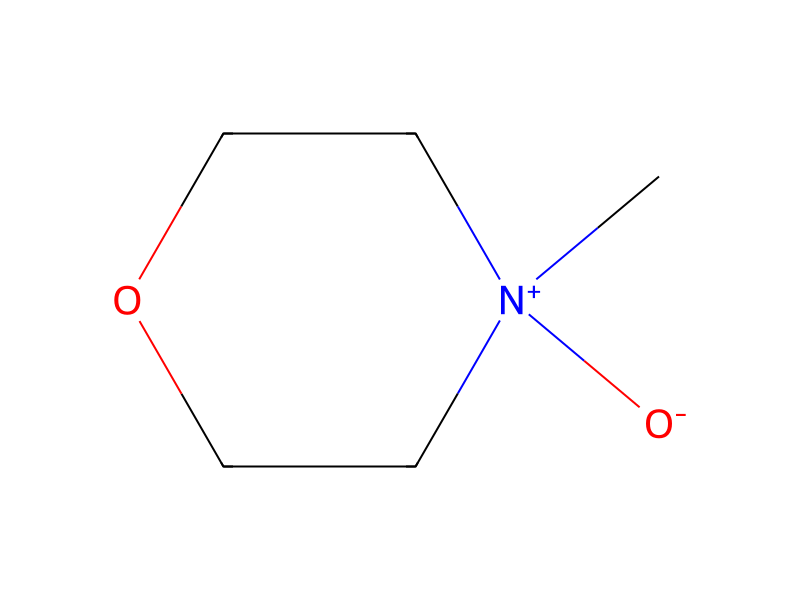
Methyl morpholine oxide → 4-(2-Chlorophenyl)-6-(2,3-dihydroxypropyl)-2-(2,4-dimethoxybenzyl)-9-methoxypyrrolo[3,4-c]carbazole-1,3(2H,6H)-dione

HRID 11131
Notes
Print preview

Reaction equation

HRID 11131 reaction equation
C(N1C2C=[C:14]([C:17]3[CH:22]=[CH:21][CH:20]=[CH:19][C:18]=3[Cl:23])[C:13]3[C:24](=[O:39])[N:25]([CH2:28][C:29]4[CH:34]=[CH:33][C:32]([O:35][CH3:36])=[CH:31][C:30]=4[O:37][CH3:38])[C:26](=O)[C:12]=3[C:11]=2[C:10]2[CH:9]=[C:8]([O:40][CH3:41])[CH:7]=[CH:6]C1=2)C=C.[CH3:42][N+:43]1([O-])[CH2:48][CH2:47][O:46][CH2:45][CH2:44]1.C[C:51](C)=[O:52].[OH2:54]>Cl.C(OCC)(=O)C.[Os](=O)(=O)(=O)=O>[Cl:23][C:18]1[CH:19]=[CH:20][CH:21]=[CH:22][C:17]=1[C:14]1[C:13]2[C:24](=[O:39])[N:25]([CH2:28][C:29]3[CH:34]=[CH:33][C:32]([O:35][CH3:36])=[CH:31][C:30]=3[O:37][CH3:38])[C:26](=[O:54])[C:12]=2[C:11]2[C:10]3[CH:9]=[C:8]([O:40][CH3:41])[CH:7]=[CH:6][C:42]=3[N:43]([CH2:48][CH:47]([OH:46])[CH2:51][OH:52])[C:44]=2[CH:45]=1
ParticipantsProcedureWorkupSources & evidenceReaction notes

Participants

7

Reactant 3

HCID 82029Methyl morpholine oxideHCID 18366337Propan-2-one--water (1/1)HCID 695854926-Ally-4-(2-chlorophenyl)-2-(2,4-dimethoxybenzyl)-9-methoxypyrrolo[3,4-c]carbazole-1,3(2H,6H)-dione

Product 1

HCID 219808174-(2-Chlorophenyl)-6-(2,3-dihydroxypropyl)-2-(2,4-dimethoxybenzyl)-9-methoxypyrrolo[3,4-c]carbazole-1,3(2H,6H)-dioneYield 94%

Reagents, catalysts & solvents 3

HCID 30318Osmium TetroxideCatalyst
HCID 313Hydrochloric AcidSolvent
HCID 8857Ethyl AcetateSolvent

Procedure

To a solution of carbazole (288) (80 mg, 0.14 mmol) procedure described in example 298 in acetone/water (4:1, 20 mL) was added N-methylmorpholine N-oxide (33 mg, 0.28 mmol) and osmium tetroxide (176 uL, 4% solution in water, ˜0.028 mmol). The reaction mixture was stirred at room temperature for 18 hours before being diluted with 1N hydrochloric acid and extraction with ethyl acetate. The organic phase was dried, the drying agent was removed and the solution was concentrated to dryness. Chromatography on silica eluting with ethyl acetatelhexane (2:1), followed by crystallization from diethyl ether/hexane gave diol (290) (80 mg, 94%) as a yellow powder, mp 151–156° C. 1H NMR δ [(CD3)2SO] 8.50 (d, J=2.6 Hz, 1H), 7.82 (s, 1H), 7.69 (br d, J=9.0 Hz, 1H), 7.58 (m, 1H), 7.52–7.46 (m, 3H), 7.30 (dd, J=9.0, 2.6 Hz, 1H), 6.95 (d, J=8.4 Hz, 1H), 6.57 (d, J=2.4 Hz, 1H), 6.44 (dd, J=8.4, 2.4 Hz, 1H), 5.02 (d, J=5.0 Hz, 1H), 4.87 (br s, 1H), 4.69 (s, 2H), 4.55 (m, 1H), 4.38 (m, 1H), 3.89 (m, 4H), 3.80 (s, 3H), 3.72 (s, 3H), 3.41 (partially obscured m, 2H). Found: C, 65.32; H, 5.00; N, 4.83. C33H29ClN2O7.1/4H2O requires: C, 65.45; H, 4.91; N, 4.63.

Workup

  1. customThe organic phase was dried
  2. customthe drying agent was removed
  3. concentrationthe solution was concentrated to dryness
  4. customChromatography on silica eluting with ethyl acetatelhexane (2:1), followed by crystallization from diethyl ether/hexane

Sources & evidence

ORD record
ord-f5196dcb4161474bbb05e2f36ea37b3b
Source dataset
uspto-grants-2006_08
DOI
10.6084/m9.figshare.5104873.v1
Patent number
US07094798B1

Reaction notes

Loading…

On this pageParticipantsProcedureWorkupSources & evidenceReaction notes