HomeMCPSkillsWorkbenchOpenChem
HomeWorkbenchNotificationsMe
llms.txt · skill.md · MCP GuidePrivacy Policy · Terms of Service · Supportv1.8.5
  1. Home
  2. /Reaction

4-Toluenesulfonyl chloride → HCID 178463248, compound

HRID 1155548
Print

Reaction equation

[Na].[CH2:2]([NH:4][C:5]1[CH:10]=[C:9]([C:11](=[N:13]O)[CH3:12])[CH:8]=[CH:7][N:6]=1)[CH3:3].C1(C)C=CC(S(Cl)(=O)=O)=CC=1.[O-]CC.[K+].[N:30]#[C:31][NH2:32].[OH-].[Na+].[OH-].[NH4+]>C(#N)C.C(OCC)C.C(O)C>[CH2:2]([NH:4][C:5]1[CH:10]=[C:9]([C:11]2[N:13]=[C:31]([NH2:32])[NH:30][CH:12]=2)[CH:8]=[CH:7][N:6]=1)[CH3:3]
ParticipantsProcedureWorkupSources & evidenceReaction notes

Participants

11

Reactant 7

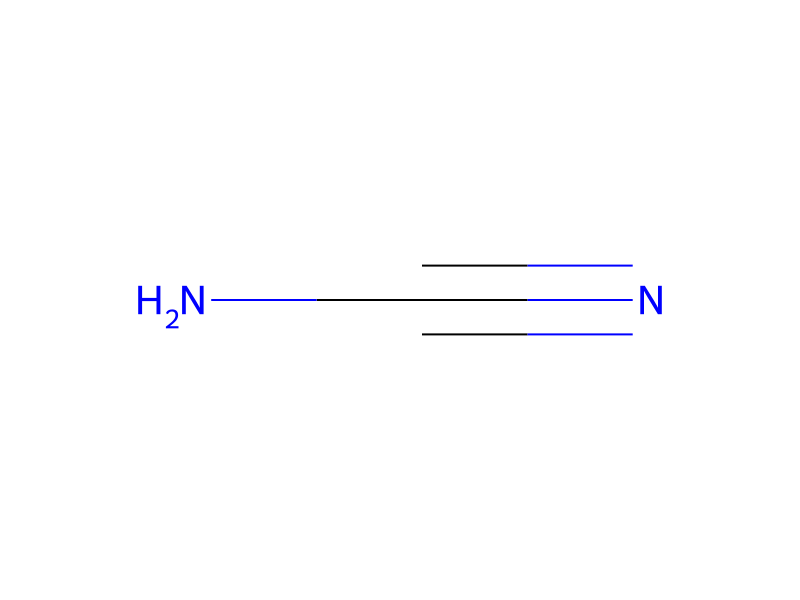
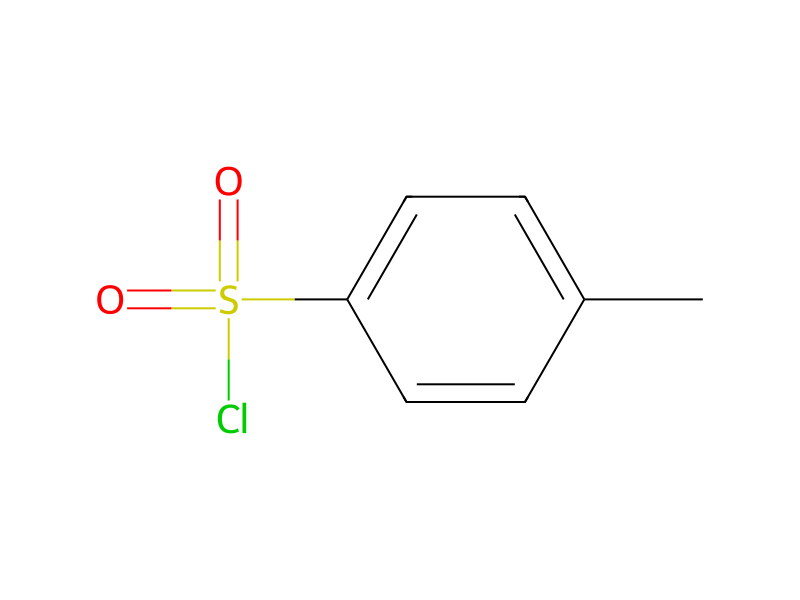
HCID 73974-Toluenesulfonyl chlorideHCID 9864CyanamideHCID 14798Sodium HydroxideHCID 14923Ammonium HydroxideHCID 5360545SodiumHCID 23670592Potassium ethoxideHCID 1363591971-(2-Ethylamino-4-pyridyl)-1-ethanone oxime

Product 1

HCID 178463248HCID 178463248, compoundYield 52%

Reagents, catalysts & solvents 3

HCID 702EthanolSolventHCID 3283Diethyl EtherSolventHCID 6342AcetonitrileSolvent2×

Procedure

Sodium (370 mg., 15.5 mmoles) was dissolved in 25 ml. of absolute ethanol at room temperature under a nitrogen atmosphere and to this was added 2.7 g. (15 mmoles) of 1-(2-ethylamino-4-pyridyl)-1-ethanone oxime (Example IIB). The reaction mixture was stirred until homogeneous (5 minutes), then 3.0 g. (16 mmoles) of p-toluenesulfonyl chloride was added, and the mixture was stirred at room temperature under nitrogen for one hour. The mixture was subsequently added to a solution of potassium ethoxide (prepared by dissolving 630 mg. of potassium in 25 ml. of absolute ethanol) and the resulting mixture was stirred at room temperature under nitrogen for one hour. The resulting gelatinous suspension was diluted with 200 ml. of diethyl ether and filtered. The ether filtrate was extracted with (4×25 ml.) 2 N hydrochloric acid and the combined acid extracts concentrated to dryness. The residue was dissolved in 20 ml. of water, 1.35 g. (32 mmoles) of cyanamide was added and the mixture brought to pH 4.5 by the dropwise addition of 2 N sodium hydroxide solution. The mixture was heated at steam bath temperature for 1 hour, and was then cooled and made basic with concentrated ammonium hydroxide. The reaction mixture was concentrated to dryness and extracted with i-propanol. Removal of the i-propanol gave an oil which was taken up in 25 ml. of acetonitrile. Addition of diethyl ether to the acetonitrile solution resulted in the formation of a precipitate. Filtration and recrystallization of the solids from i-propanol gave 1.55 g. (52%) of the desired product, m.p. 200°-202° C.

Workup

  1. stirringthe mixture was stirred at room temperature under nitrogen for one hour
  2. stirringthe resulting mixture was stirred at room temperature under nitrogen for one hour
  3. additionThe resulting gelatinous suspension was diluted with 200 ml
  4. filtrationof diethyl ether and filtered
  5. extractionThe ether filtrate was extracted with (4×25 ml.) 2 N hydrochloric acid
  6. concentrationthe combined acid extracts concentrated to dryness
  7. dissolutionThe residue was dissolved in 20 ml
  8. temperatureThe mixture was heated at steam bath temperature for 1 hour
  9. temperaturewas then cooled
  10. concentrationThe reaction mixture was concentrated to dryness
  11. extractionextracted with i-propanol
  12. customRemoval of the i-propanol
  13. customgave an oil which
  14. customresulted in the formation of a precipitate
  15. filtrationFiltration and recrystallization of the solids from i-propanol
  16. customgave 1.55 g

Sources & evidence

ORD record
ord-c501497d0e54428f87f90d92dab8d5fb
Source dataset
uspto-grants-1981_11
DOI
10.6084/m9.figshare.5104873.v1
Patent number
US04302464

Reaction notes

On this pageParticipantsProcedureWorkupSources & evidenceReaction notes