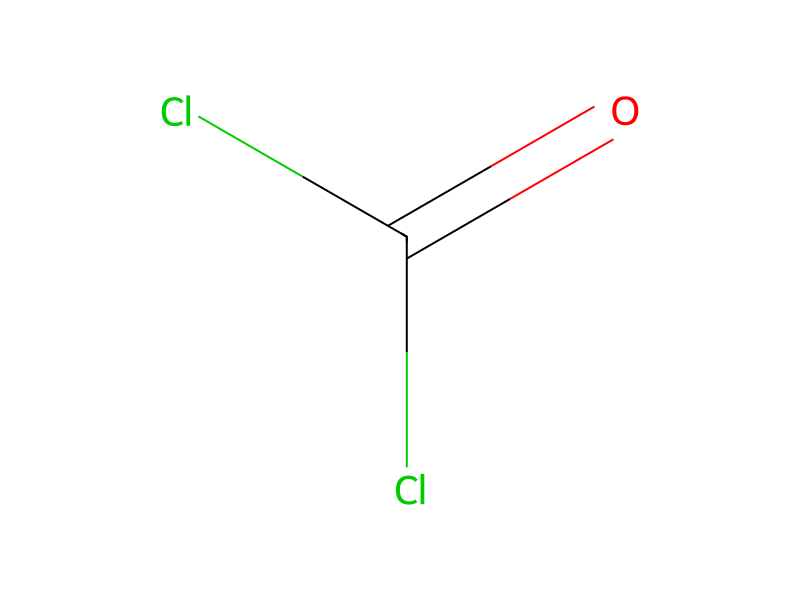
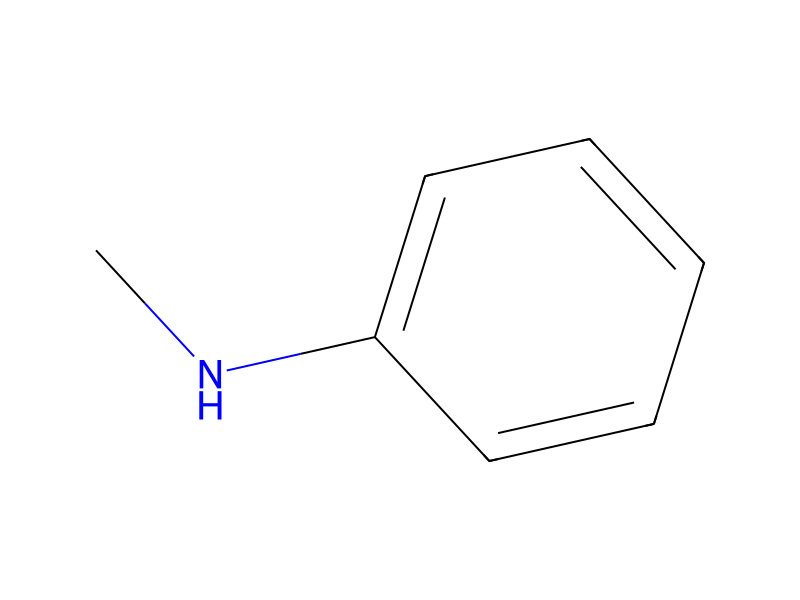
Phosgene in toluene (50 ml, 121/2% solution was stirred at 0°-10° whilst a mixture of N-methylaniline (5.4 g) and triethylamine (15 ml) in dry chloroform (100 ml) was added slowly dropwise. On completion of the addition the mixture was stirred for 19 hours at room temperature, then cooled to 0°-10° whilst a solution of 4-(N-methylaminomethyl)pyridine (3.1 g) in dry chloroform (70 ml) was slowly added. The mixture was stirred at room temperature overnight followed by the cautious addition of 2 N hydrochloric acid (20 ml). After 1 hour, 5 N sodium hydroxide (12 ml) was added and the organic phase was separated, washed (H2O, 50 ml), dried (Na2CO3) and evaporated in vacuo to give a dark oil. The oil was dissolved in the minimum quantity of chloroform and chromatographed on a "Florisil" (Trademark) column eluted with chloroform. Appropriate fractions were identified by thin layer chromatography, combined and evaporated in vacuo to give 1,3-dimethyl-1-(4-pyridylmethyl)-3-phenylurea as a dark oil (3 g). The n.m.r. spectrum was compatible with the required structure.