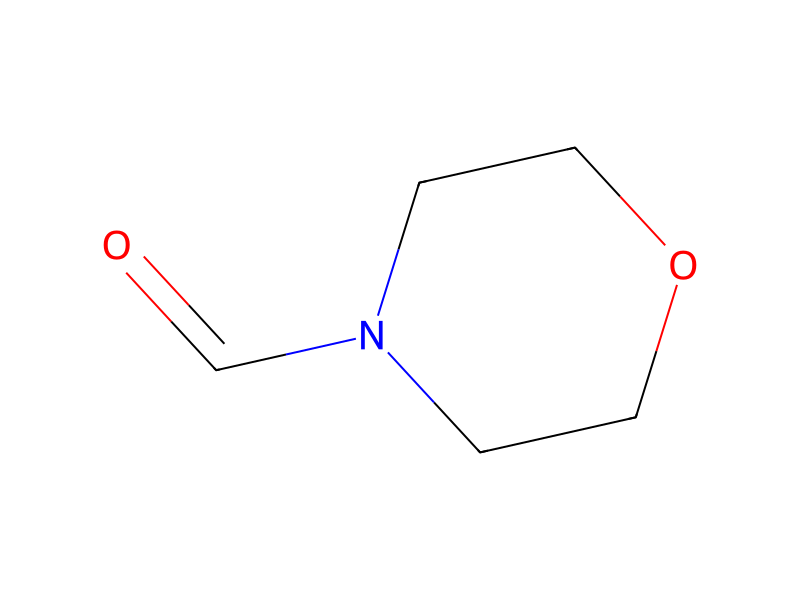
[C:1]([NH:7][C:8]1[CH:17]=[CH:16][C:15]2[C:10](=[CH:11][CH:12]=[CH:13][CH:14]=2)[N:9]=1)(=[O:6])[C:2]([CH3:5])([CH3:4])[CH3:3].[Li]CCCC.[CH:23](N1CCOCC1)=[O:24].Cl>C1COCC1.O>[CH:23]([C:17]1[C:8]([NH:7][C:1](=[O:6])[C:2]([CH3:5])([CH3:4])[CH3:3])=[N:9][C:10]2[C:15]([CH:16]=1)=[CH:14][CH:13]=[CH:12][CH:11]=2)=[O:24]To a solution of 2-pivaloylaminoquinoline (5.00 g, 21.92 mmol) in THF (75 mL) at −78° C. was added dropwise BuLi (5.48 mL, 10 M in hexane, 54.80 mmol). After 2 hours at −78° C. the dianion was quenched by the addition of N-formylmorpholine (3.79 g, 37.88 mmol). The reaction mixture was allowed to warm to room temperature and poured into 2M aqueous HCl (20 mL). The pH of the aqueous phase was adjusted to 7.0 by addition of 2M HCl and the aqueous phase was diluted with water (100 mL) and extracted with diethyl ether (2×100 mL). The organic phase was dried (MgSO4) and evaporated to dryness in vacuo. The crude product was recrystallized from petrol ether/ethyl acetate to give 2.92 g (52%) of the title compound.