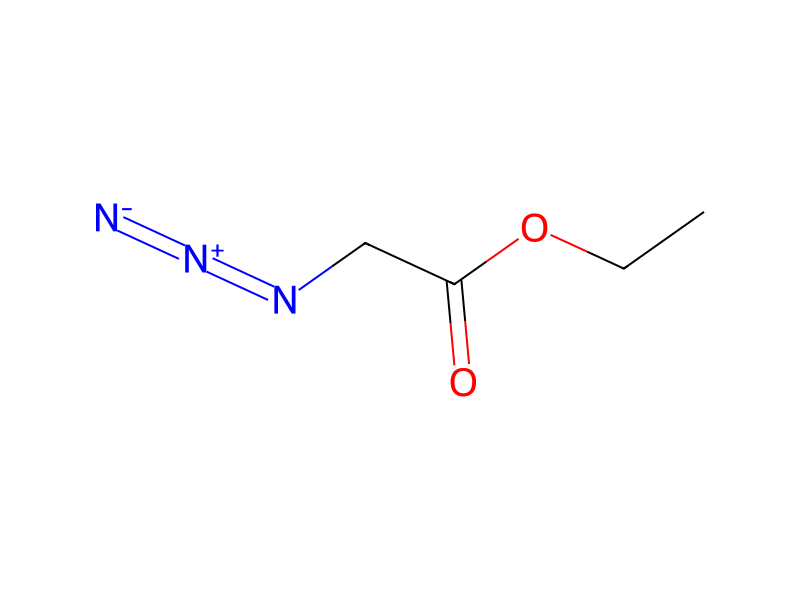
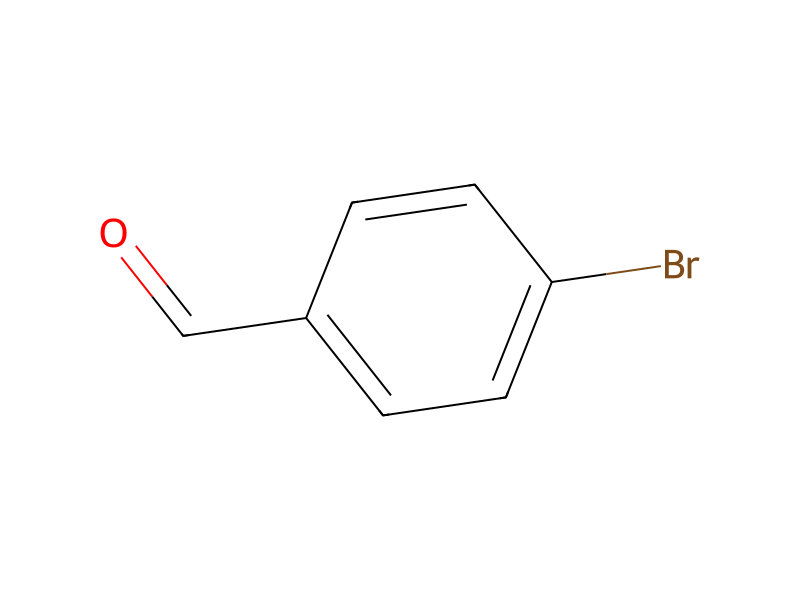
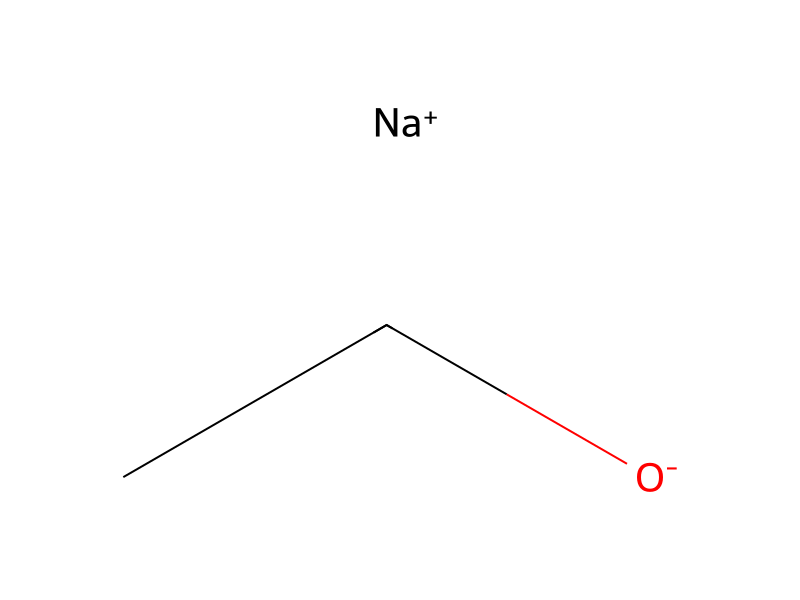
[O-]CC.[Na+].[Br:5][C:6]1[CH:13]=[CH:12][C:9]([CH:10]=O)=[CH:8][CH:7]=1.[N:14]([CH2:17][C:18]([O:20][CH2:21][CH3:22])=[O:19])=[N+:15]=[N-:16].O>C(O)C.C1(C)C=CC=CC=1>[N:14](/[C:17](=[CH:10]\[C:9]1[CH:12]=[CH:13][C:6]([Br:5])=[CH:7][CH:8]=1)/[C:18]([O:20][CH2:21][CH3:22])=[O:19])=[N+:15]=[N-:16]Into a solution of sodium ethoxide (a 20% solution in ethanol, 22.2 g) in toluene (100 ml) was added at 0° C. over a period of more than 10 minutes a solution of 4-bromobenzaldehyde (10 g) and ethyl azidoacetate (7.0 g) in toluene (50 ml). After being stirred at room temperature for 2 hours, the reaction mixture was mixed with water and was extracted with ethyl acetate. The organic layer was washed with an aqueous saturated solution of sodium chloride and was dried with magnesium sulfate. After concentration under reduced pressure, the residue was subjected to separation and purification using column chromatography (ethyl acetate/hexane 1:19) to obtain ethyl (Z)-2-azido-3-(4-bromophenyl)acrylate (6.24 g) as a yellow oily substance.